Sign up with Google
 Sign in with Zoho
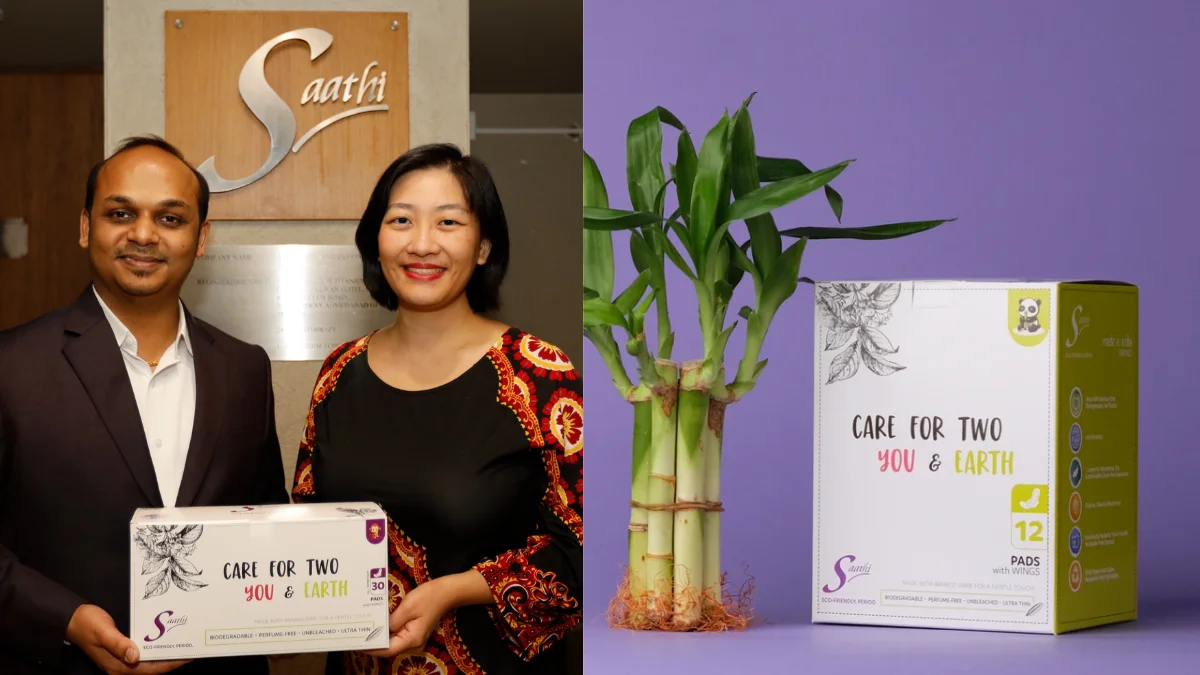
Saathi pads have caught the attention of people who are looking for eco-friendly options compared to regular sanitary napkins. The use of bamboo and banana fibres by Saathi allows the production of eco-friendly products for menstrual hygiene keeping in mind the comfort aspect of the product.
The Saathi Pads are getting popular as customers are seeking eco-friendly substitutes for the regular sanitary pads. Saathi Pads are manufactured using bamboo and banana fibres, making them plant-based pads that focus on providing comfort along with reducing their impact on the environment. According to Saathi, their pads are biodegradable, compostable, and plastic-free.
Why Are Saathi Pads Different From Regular Sanitary Pads?
Saathi Pads use natural fibres such as banana and bamboo fibres rather than being primarily composed of synthetic plastic-based materials.Saathi claims that the fibres act as absorbents while the pads are produced without any chlorine, dioxins, artificial fragrances, and gels.Saathi provides pads in varying sizes for varied flow requirements, i.e., Regular, XL and Overnight sizes.Saathi’s bamboo range has been marketed as an ultra-thin range, whereas banana-fiber pads have been developed for absorption and heavy flow.
What Makes Bamboo and Banana Fibre Useful for Period Products?
- Banana fibre: Saathi uses fibre from banana plant material, including discarded stems, as an absorbent material.
- Bamboo fibre: The company offers bamboo-fibre pads and panty liners in different sizes.
- Plant-based design: The brand focuses on renewable natural fibres as alternatives to conventional plastic-heavy materials.
- Different flow options: Regular, XL and Overnight products allow users to select products according to their menstrual flow.
- Biodegradable focus: Saathi says its pads can break down within around six months under the conditions it describes.
- Agricultural value: Using discarded banana stems gives agricultural material another potential use and supports Saathi's local-sourcing model.
How Do Saathi Pads Support Sustainable Menstrual Care?
Saathi Pads' vision is more than just substituting one raw material with another. The company combines menstruation hygiene management with agriculture, reduction in plastic waste, and creating jobs in local communities. Saathi claims that it collects abandoned banana stems from the farmers and hires women in its production process. Its business model centers around positive effects to the body, community, and environment. However, the consumer still needs to check labels and disposal advice since the environmental performance of a disposable item depends on the entire design.
Bamboo Fibre or Banana Fibre: Which Saathi Pad Should You Know About?
Banana Fibre Pads for Absorbency
The use of banana fibre is one of the primary features of the initial product strategy developed by Saathi. The company claims that this fibre is very absorbent and includes it into pads intended to be used both in cases of lighter and medium flow, as well as more abundant bleeding.
Bamboo Fibre Pads for a Thinner Feel
The Saathi bamboo fibre products come in thinner sizes and include Regular, XL and Overnight options. Saathi also produces panty liners made of bamboo fibre. The Saathi bamboo fibre pads do not have any plastic between their layers and are made up of bamboo non-woven material. Users may choose the size based on their flow.
Eco-Friendly Period Products and Waste
The topic of disposable sanitary items is more often considered in the context of the larger plastic waste problem.Biodegradable substitutes are being used to minimize the use of traditional plastics, and to explore new ways of disposal. According to Saathi, their pads and packaging are biodegradable and the product can decompose within six months. Yet, they still recommend wrapping the pad and placing it into a closed waste container after usage.
5 FAQs About Saathi Pads
Are Saathi Pads made from bamboo and banana fibre?Yes. Saathi offers products made using bamboo or banana fibres, with different sizes and flow options.
Are Saathi Pads biodegradable?Saathi describes its pads as biodegradable and compostable and says they can degrade within about six months under normal conditions.
Are Saathi Pads reusable?No. Saathi sanitary pads are designed for single use and should be disposed of after use.
How often should Saathi Pads be changed?Saathi recommends changing a pad within four to six hours and more frequently during heavy flow.
Can Saathi Pads be flushed?No. Saathi advises users not to flush its pads and recommends wrapping used products and placing them in a closed bin.
Bumppy Wrap Up: Are Saathi Pads a Sustainable Period Care Option?
Saathi Pads offer a plant-based approach to menstrual hygiene by using bamboo and banana fibres in disposable period products.The company's model also connects menstrual care with agricultural resources, local employment and reduced plastic use.Bumppy Wrap up: Consumers should compare absorbency, comfort, size, materials and disposal instructions before choosing an eco-friendly period product.No single menstrual product is ideal for everyone, so individual menstrual needs should remain the first consideration.As interest in sustainable living grows, products based on renewable fibres such as bamboo and banana are likely to remain important in the period-care conversation.