Sign up with Google
 Sign in with Zoho


Many organizations initially rely on spreadsheets, emails, or manual approvals to manage HR operations. While these methods may be sufficient during the early stages of growth, they can eventually lead to delays, inconsistent processes, compliance risks, and increased administrative workloads.
This is where HR process management becomes essential.
A structured HR process enables organizations to streamline routine activities, improve operational efficiency, and create a consistent experience for employees across every stage of their employment journey.
What Is HR Process Management?
HR process management refers to the systematic planning, execution, monitoring, and continuous improvement of human resource activities within an organization.
Rather than handling HR tasks individually, businesses establish standardized workflows that define how every HR function should be performed.
These workflows typically cover:
- Recruitment and hiring
- Employee onboarding
- Attendance and leave management
- Payroll administration
- Performance management
- Employee engagement
- HR compliance
- Learning and development
- Employee offboarding
When these processes are clearly documented and consistently followed, HR teams can deliver services more efficiently while supporting broader business objectives.
Why HR Process Management Matters
Human Resources is no longer limited to administrative responsibilities.
Today's HR teams play a strategic role in helping organizations attract talent, improve employee experiences, strengthen compliance, and support business growth.
Without effective HR process management, businesses often encounter challenges such as:
- Delayed recruitment cycles
- Inconsistent onboarding experiences
- Payroll inaccuracies
- Poor record management
- Compliance issues
- Communication gaps
- Increased administrative workload
Over time, these issues can affect productivity, employee satisfaction, and overall organizational performance.
A structured HR process provides consistency, helping every department operate under the same standards and procedures.
The Challenges of Managing HR Without Standardized Processes
As organizations grow, HR responsibilities increase significantly.
New employees join every month.
Teams expand across multiple departments or locations.
Employee documentation continues to grow.
Labour regulations evolve.
Performance reviews become more frequent.
Without standardized workflows, managing these responsibilities manually becomes increasingly difficult.
Common problems include:
Inconsistent Recruitment
Different hiring managers may follow different recruitment methods, creating an inconsistent candidate experience.
Delayed Employee Onboarding
Missing documents, delayed approvals, and inconsistent induction programs can reduce productivity during an employee's first few weeks.
Payroll Errors
Manual payroll calculations often increase the risk of incorrect salary processing, delayed payments, and compliance issues.
Scattered Employee Records
Storing employee information across spreadsheets, emails, and shared folders makes information difficult to access and maintain.
Compliance Risks
Incomplete documentation or inconsistent HR practices can expose organizations to unnecessary legal and regulatory challenges.
These issues highlight why businesses need repeatable, scalable HR processes rather than isolated administrative tasks.
HR Process Management Supports Business Growth
Business growth depends on more than increasing revenue or expanding operations.
It also requires building internal systems that support employees efficiently.
Effective HR process management helps organizations:
- Improve recruitment efficiency
- Reduce administrative workload
- Standardize employee experiences
- Strengthen HR compliance
- Improve workforce visibility
- Support better decision-making
- Enhance collaboration between departments
When HR operations become structured, managers spend less time resolving routine issues and more time focusing on strategic initiatives that contribute to business success.
Building a Strong Foundation for the Future
Organizations that invest in HR process management early are better prepared for long-term growth.
Instead of constantly reacting to operational challenges, they establish clear workflows that improve consistency, accountability, and efficiency across every HR function.
Whether a business has 20 employees or 2,000, structured HR processes create a foundation that supports both workforce management and organizational growth.
As companies continue to evolve, effective HR process management will become one of the most valuable drivers of operational excellence.
Key HR Processes Every Business Should Manage
A successful organization is built on more than great products or services—it also depends on efficient internal operations. Among these, Human Resources plays a critical role in ensuring employees are hired, managed, developed, and supported effectively.
Strong HR process management creates consistency across every stage of the employee lifecycle. Instead of relying on manual coordination or disconnected systems, organizations can establish structured workflows that improve efficiency, reduce errors, and support long-term business growth.
Below are the core HR processes that every business should manage effectively.
1. Recruitment and Talent Acquisition
Recruitment is often the first interaction a potential employee has with an organization.
A well-defined recruitment process helps businesses attract qualified candidates while ensuring fairness and consistency throughout the hiring journey.
An effective recruitment workflow typically includes:
- Workforce planning
- Job description creation
- Candidate sourcing
- Resume screening
- Interview scheduling
- Candidate evaluation
- Offer management
- Pre-employment documentation
When recruitment processes are standardized, organizations can reduce hiring time, improve candidate experience, and make better hiring decisions.
2. Employee Onboarding
Hiring the right candidate is only the beginning.
A structured onboarding process helps new employees integrate into the organization quickly and confidently.
An organized onboarding workflow may include:
- Employment documentation
- Policy acknowledgements
- IT and system access
- Department introductions
- Training schedules
- Role-specific orientation
- Goal setting for the initial months
A positive onboarding experience helps employees become productive faster while increasing engagement and retention.
3. Attendance and Leave Management
Tracking attendance and managing employee leave becomes increasingly complex as businesses grow.
Manual attendance registers or email-based leave approvals can result in delays, inaccurate records, and unnecessary administrative work.
A structured attendance and leave management process enables organizations to:
- Track working hours accurately
- Monitor leave balances
- Process leave requests efficiently
- Ensure compliance with company policies
- Generate workforce reports
Well-managed attendance systems also provide managers with better visibility into workforce availability and planning.
4. Payroll and Compensation Management
Payroll is one of the most critical HR functions.
Employees expect timely and accurate salary payments, and even minor payroll errors can affect trust and employee satisfaction.
Effective payroll process management includes:
- Salary calculations
- Attendance integration
- Overtime processing
- Tax deductions
- Employee benefits
- Reimbursements
- Salary revisions
- Payslip generation
Standardized payroll workflows improve accuracy while reducing compliance risks and administrative effort.
5. Performance Management
Performance management should be an ongoing process rather than an annual event.
Organizations with structured performance management workflows are better equipped to recognize achievements, identify development opportunities, and align employee goals with business objectives.
A typical performance management process includes:
- Goal setting
- Regular feedback sessions
- Performance reviews
- Skill assessments
- Career development planning
- Recognition and rewards
Consistent performance management supports employee growth while improving overall organizational productivity.
6. Learning and Employee Development
Continuous learning is essential in today's fast-changing business environment.
Businesses that invest in employee development are more likely to retain skilled professionals and build future leaders.
An effective learning and development process may include:
- Skills gap analysis
- Training programs
- Leadership development
- Compliance training
- Technical certifications
- Employee workshops
- Progress tracking
Structured learning initiatives contribute to higher engagement and long-term organizational success.
7. HR Compliance and Documentation
Maintaining accurate employee records and complying with labour regulations are essential responsibilities for every HR team.
Poor documentation or inconsistent compliance processes can expose businesses to legal and operational risks.
Effective HR process management ensures proper handling of:
- Employment contracts
- Employee records
- Policy documentation
- Statutory compliance
- Payroll records
- Attendance reports
- Exit documentation
- Audit preparation
Organized documentation also simplifies internal reviews and regulatory inspections.
Common Challenges in HR Process Management
Despite recognizing the importance of structured HR operations, many organizations continue to face operational challenges as they grow.
Some of the most common issues include:
Manual Administrative Work
Relying on spreadsheets, paperwork, and email approvals increases workload and creates opportunities for human error.
Inconsistent Processes
Different departments or managers may follow different HR practices, leading to inconsistent employee experiences and operational inefficiencies.
Communication Gaps
Without clearly defined workflows, important HR updates, policy changes, or approval requests may be delayed or overlooked.
Limited Visibility
Business leaders often struggle to access accurate workforce data when HR information is spread across multiple systems.
This makes workforce planning and decision-making more difficult.
Compliance Risks
Keeping up with changing labour laws and maintaining complete employee documentation becomes increasingly challenging without standardized HR processes.
Why Efficient HR Process Management Matters
When HR processes are well designed and consistently followed, organizations gain benefits that extend beyond the HR department.
Effective HR process management helps businesses:
- Improve operational efficiency
- Reduce administrative costs
- Deliver a better employee experience
- Increase workforce productivity
- Strengthen compliance
- Support informed business decisions
- Create scalable HR operations
As organizations continue to grow, structured HR processes become an essential foundation for sustainable success.
Best Practices for Improving HR Process Management
Effective HR process management is not just about documenting workflows—it is about continuously improving them to meet changing business needs.
As organizations grow, HR teams must find ways to reduce manual work, improve accuracy, strengthen compliance, and deliver a better employee experience. By adopting the right strategies, businesses can transform HR from an administrative function into a strategic business partner.
Here are some best practices that can help organizations build efficient and scalable HR processes.
1. Standardize HR Workflows
One of the biggest reasons HR processes become inefficient is inconsistency.
Different departments or managers may follow different procedures for hiring, onboarding, leave approvals, or performance evaluations. This creates confusion and makes it difficult to maintain fairness across the organization.
Businesses should establish standardized workflows for every core HR activity, including:
- Recruitment
- Employee onboarding
- Attendance and leave management
- Payroll processing
- Performance reviews
- Employee offboarding
When everyone follows the same process, HR operations become more efficient and employees receive a consistent experience.
2. Automate Repetitive HR Tasks
Manual HR activities consume significant time and increase the risk of human error.
Automation helps HR teams complete routine tasks faster while improving accuracy and consistency.
Common HR processes that can be automated include:
- Job posting and application tracking
- Interview scheduling
- Offer letter generation
- Employee onboarding checklists
- Leave request approvals
- Attendance tracking
- Payroll reminders
- Employee document collection
- Performance review notifications
Automation allows HR professionals to spend less time on administrative work and more time supporting employee development and business strategy.
3. Maintain a Centralized Employee Database
Employee information is one of an organization's most valuable assets.
Storing records across multiple spreadsheets, emails, or physical files makes data difficult to manage and increases the likelihood of errors.
A centralized HR system should securely maintain:
- Employee profiles
- Employment contracts
- Attendance records
- Leave history
- Payroll information
- Performance reviews
- Training records
- Compliance documentation
Having a single source of truth improves accessibility, enhances data accuracy, and simplifies reporting.
4. Use HR Analytics for Better Decision-Making
Modern HR process management relies on data rather than assumptions.
Tracking key HR metrics enables organizations to identify trends, measure performance, and make informed decisions.
Important HR metrics include:
- Time-to-hire
- Employee turnover rate
- Employee retention rate
- Training completion rate
- Payroll accuracy
- Absenteeism
- Performance review completion
- Employee satisfaction scores
Regular analysis of these metrics helps HR teams identify opportunities for improvement and support long-term workforce planning.
5. Keep Compliance at the Center of Every Process
Compliance is an essential component of HR process management.
Organizations must ensure that every HR activity aligns with applicable labour laws, company policies, and statutory requirements.
This includes maintaining accurate:
- Employee records
- Employment agreements
- Attendance logs
- Payroll records
- Policy acknowledgements
- Exit documentation
A proactive approach to compliance reduces operational risks and prepares businesses for audits or regulatory reviews.
6. Invest in Continuous Employee Development
An effective HR process goes beyond administration—it also supports employee growth.
Organizations should create structured learning and development programs that help employees enhance their skills and prepare for future responsibilities.
Development initiatives may include:
- Technical training
- Leadership programs
- Compliance workshops
- Soft skills development
- Role-specific certifications
- Mentorship opportunities
Employees who receive continuous learning opportunities are often more engaged, productive, and committed to the organization.
7. Consider HR Outsourcing for Greater Efficiency
As businesses expand, managing every HR function internally can become challenging.
Many organizations choose to outsource selected HR activities to experienced professionals, allowing internal teams to focus on strategic priorities.
Common outsourced HR services include:
- Recruitment support
- Payroll management
- HR administration
- Compliance assistance
- Employee documentation
- Workforce management
Partnering with an experienced HR consultancy can improve efficiency, reduce administrative burdens, and ensure that HR processes remain compliant and scalable as the business grows.
The Benefits of Effective HR Process Management
Organizations that invest in improving their HR processes often experience measurable improvements across multiple areas.
These benefits include:
- Faster recruitment and onboarding
- Reduced administrative workload
- Improved payroll accuracy
- Stronger regulatory compliance
- Better workforce visibility
- Enhanced employee experience
- Higher productivity
- Improved decision-making
- Greater operational efficiency
Most importantly, structured HR processes provide the flexibility needed to support business growth without increasing unnecessary complexity.
Preparing HR for the Future
The workplace continues to evolve with new technologies, changing employee expectations, and increasingly dynamic business environments.
Organizations that regularly review and improve their HR process management practices will be better equipped to adapt to these changes while maintaining efficient operations.
The Future of HR Process Management
The workplace is evolving rapidly. Hybrid work models, digital transformation, changing workforce expectations, and increasing compliance requirements are reshaping how organizations manage their people.
In this environment, HR process management is no longer just about handling administrative tasks—it has become a strategic function that supports business growth, employee engagement, and operational excellence.
Organizations that invest in modern HR processes today will be better prepared to meet tomorrow's challenges.
HR Is Becoming More Strategic
Traditionally, HR was viewed as a department responsible for recruitment, payroll, and employee records.
Today, HR contributes directly to business success by helping organizations:
- Build high-performing teams
- Improve employee retention
- Develop future leaders
- Strengthen workplace culture
- Ensure regulatory compliance
- Support organizational growth
As a result, HR leaders are increasingly involved in strategic planning and decision-making rather than focusing solely on administrative responsibilities.
Digital Transformation Is Changing HR Operations
Technology continues to reshape the way HR teams work.
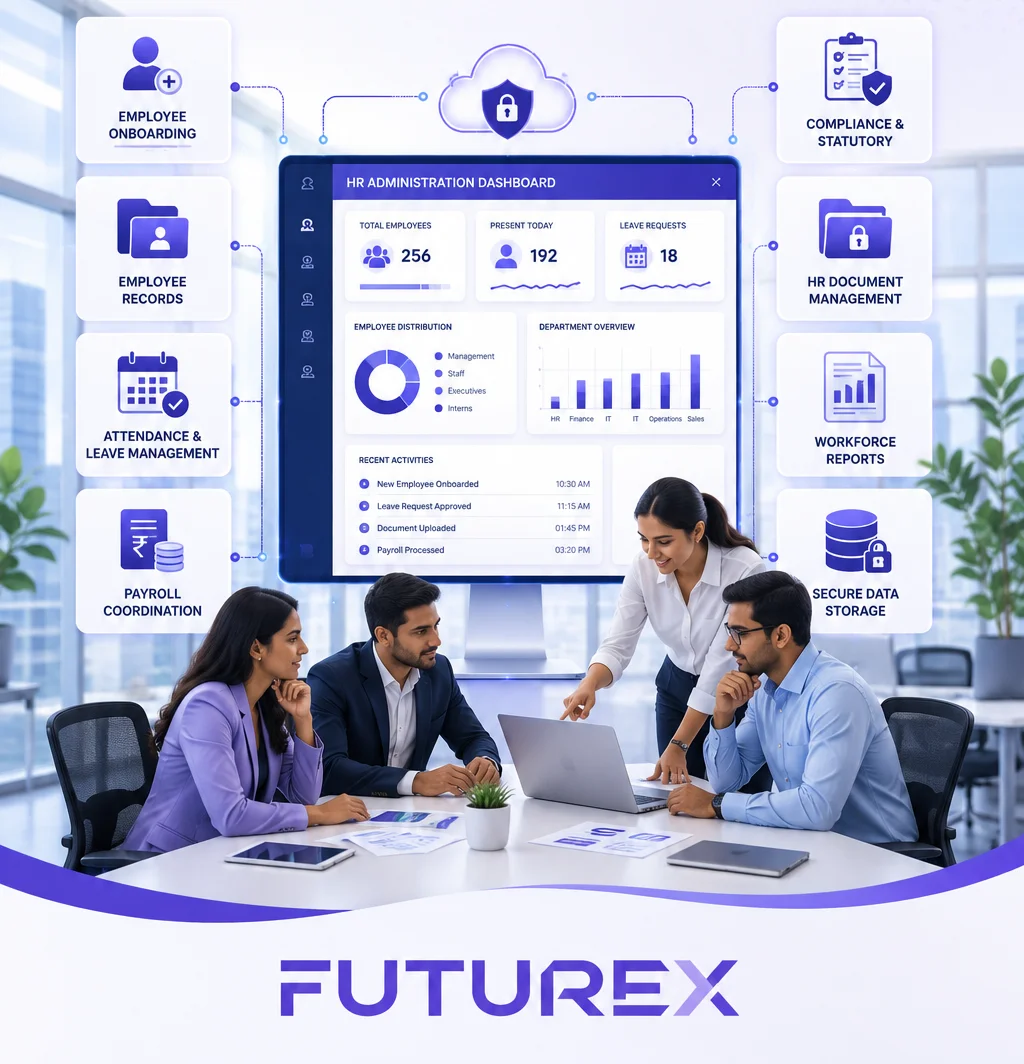
Cloud-based HR platforms, workflow automation, employee self-service portals, and digital document management are helping businesses streamline HR operations while improving accuracy and efficiency.
Modern HR technology allows organizations to:
- Manage employee information securely
- Simplify recruitment and onboarding
- Automate leave and attendance tracking
- Improve payroll accuracy
- Generate workforce reports
- Monitor employee performance
- Support data-driven decision-making
By embracing digital tools, organizations can reduce repetitive administrative tasks and focus on initiatives that add greater value to the business.
Employee Experience Will Remain a Priority
Employees expect more than timely salaries and annual performance reviews.
They want transparent communication, smooth onboarding, learning opportunities, timely support, and a positive workplace culture.
Well-designed HR processes help create a consistent employee experience throughout every stage of the employee lifecycle—from recruitment and onboarding to career development and offboarding.
Organizations that prioritize employee experience are more likely to improve engagement, strengthen retention, and build a strong employer brand.
Continuous Improvement Is Essential
Business needs, workforce expectations, and employment regulations continue to change.
For this reason, HR processes should never remain static.
Organizations should regularly evaluate their HR workflows by asking questions such as:
- Are recruitment processes efficient?
- Is onboarding delivering a positive first impression?
- Are payroll processes accurate and timely?
- Are managers following standardized procedures?
- Are employees satisfied with HR support?
- Do current workflows support future business growth?
Regular reviews help businesses identify opportunities to improve efficiency, reduce costs, and enhance employee satisfaction.
Why Many Businesses Choose HR Consultancy Services
As organizations grow, managing every HR responsibility internally can become increasingly demanding.
Partnering with experienced HR consultants allows businesses to strengthen their HR operations while focusing on their core objectives.
Professional HR consultancy services can assist with:
- HR process design and optimization
- Recruitment and talent acquisition
- Payroll management
- HR administration
- Labour law compliance
- Workforce planning
- Performance management
- Policy development
With expert guidance, businesses can implement scalable HR processes that support both operational efficiency and long-term growth.
Final Thoughts
Effective HR process management is the foundation of a productive, compliant, and people-focused organization.
By standardizing workflows, embracing technology, improving employee experiences, and continuously refining HR operations, businesses can create systems that scale alongside their growth.
Whether you're a startup building your first HR framework or an established organization looking to optimize existing processes, investing in structured HR management delivers lasting value for employees and the business alike.
If your organization is looking to strengthen its HR operations, streamline workforce management, or improve compliance, working with experienced HR professionals can make a significant difference. Learn more about professional HR consultancy services and practical workforce solutions at futurex: https://futurexsolutions.com/services/hr-consultancy/
Strong HR processes don't just support day-to-day operations, they help organizations attract the right talent, improve employee satisfaction, reduce operational risks, and build a resilient foundation for sustainable business success.