Sign up with Google
 Sign in with Zoho

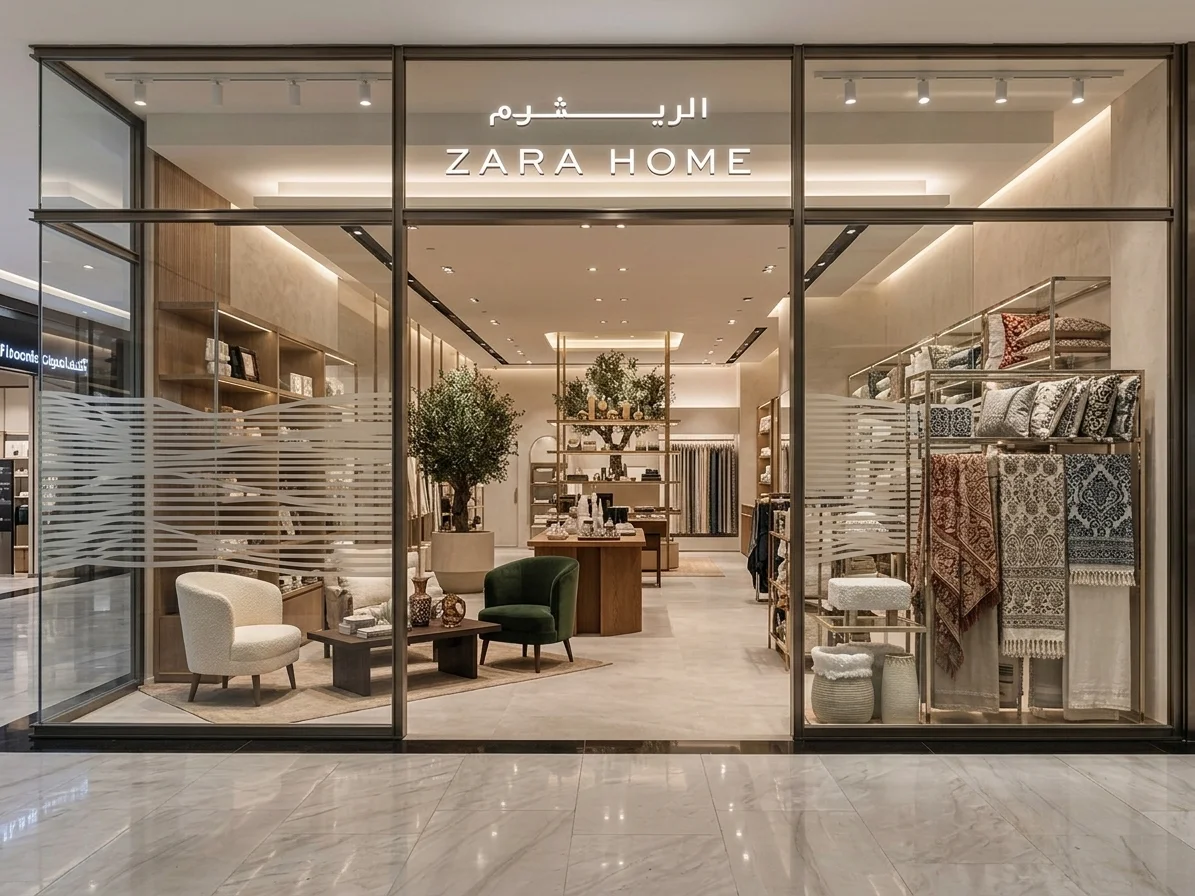
The way glass is used in a commercial building can influence how employees work, how visitors navigate the premises and how a business presents itself. Transparent partitions may suit collaborative areas, but the same arrangement can feel unsuitable beside a confidential meeting room or a busy reception desk.
These challenges are not always caused by the glass itself. Often, the issue is how the glass interacts with the activities taking place around it. A well-positioned visual boundary can make a workspace easier to use without requiring major changes to the existing interior.
For businesses reviewing their interiors, a Frosted Sticker For Glass can provide a practical way to introduce selected screening, decorative details or company branding. The most effective solution begins with understanding how each area functions rather than choosing a pattern simply because it looks attractive.
Design Glass Around the Way People Use the Space
A commercial interior is made up of different working zones, each with its own requirements. Reception areas handle visitors, meeting rooms support discussions, and open workspaces encourage communication between teams. Treating every glass surface in the same way may overlook these differences.
Consider a meeting room positioned beside a frequently used corridor. People walking past may unintentionally distract those inside, particularly when the partition provides an uninterrupted view of the room. A carefully positioned frosted section can introduce a visual boundary while leaving selected areas clear.
Now consider a reception desk facing the main entrance. Here, the objective may be to establish a professional first impression while allowing visitors to understand where to go. Excessive frosting could make the entrance feel closed off, whereas a modest branded treatment may provide the desired visual identity.
Before making design decisions, businesses should examine the activities around each panel, the direction of foot traffic and the views that matter most. This creates a more useful basis for planning the glass than selecting a finish in isolation.
Three Design Priorities Worth Considering
Maintaining Useful Visibility
Visibility is important in many commercial environments. Employees may need to see approaching colleagues, visitors may need to identify an entrance, and retail customers may want an unobstructed view of merchandise.
The solution is not necessarily to cover every transparent surface. Instead, identify the viewing areas that should remain open and determine whether selected sections need screening.
Partial frosting can help establish a boundary without visually separating an entire room from its surroundings. The appropriate placement depends on the panel dimensions, the activities taking place nearby and the intended level of screening.
Businesses should also consider how the glass appears from both sides. A layout that looks balanced from inside an office may appear different from a public corridor or reception area.
Creating a Consistent Business Identity
Glass doors and partitions are often among the first surfaces visitors notice when entering a commercial property. Their appearance can contribute to the overall impression created by the reception desk, signage, furniture and other interior elements.
Branding does not have to dominate the entire panel to be effective. A company logo, carefully positioned lettering or a repeated visual detail may be enough to connect the glass treatment with the wider interior design.
Consistency is especially important when several doors or partitions are visible together. Differences in logo placement, spacing or pattern alignment can make an otherwise coordinated workspace look unfinished.
Before approving artwork, businesses should review how the design will appear across the complete installation rather than assessing each panel independently. This is particularly useful for offices with multiple meeting rooms or a series of glass doors along one corridor.
Preserving the Character of the Interior
A glass treatment should complement the surrounding materials instead of competing with them. Strong geometric patterns may suit a contemporary corporate environment, while understated details may work better in a minimalist reception area.
The amount of frosting also affects the visual balance. A large, heavily covered panel can become a dominant feature, whereas a smaller treatment may blend more naturally with the existing interior.
Lighting deserves attention as well. Natural daylight, artificial lighting and reflections can change how a frosted surface appears throughout the day. Reviewing the proposed finish in the actual space, where possible, helps businesses make a more informed decision.
Common Glass Design Mistakes and How to Avoid Them
Some problems can be prevented before production begins. A short review of the proposed layout can help identify issues that might otherwise become apparent only after the film has been applied.
Covering more glass than necessary
Full coverage may be appropriate for certain applications, but it should not be the automatic choice for every partition. Identify the areas that require screening and retain clear sections where visibility serves a purpose.
Choosing a pattern without considering the surroundings
A design may look attractive on its own but feel out of place beside existing signage, furniture or architectural details. Compare the proposed pattern with the interior before finalising the artwork.
Ignoring how people approach a door
Logo placement and decorative elements should be considered alongside handles, door frames and normal movement through the entrance. This helps avoid awkward positioning and keeps important design elements easy to recognise.
Using branding that is difficult to read
Intricate lettering and small logos may lose clarity when viewed from a distance. Check the design at an appropriate viewing scale and simplify details where necessary.
Assuming frosting provides complete privacy
Frosted film changes visibility, but the level of screening depends on the product, coverage and viewing conditions. Businesses handling sensitive discussions should assess the complete room arrangement rather than relying on a decorative treatment alone.
Where Different Approaches May Be Useful
The requirements of each commercial property depend on its layout and daily activities.
- Professional offices: Coordinated treatments across meeting rooms and internal partitions can establish visual consistency while supporting selected screening.
- Reception areas: Restrained branding can help visitors recognise the business without overwhelming the entrance.
- Retail environments: Selective decoration can distinguish particular sections while keeping important product displays visible.
- Healthcare and consultation spaces: Screening should be planned around sightlines and the activities taking place in each room. Additional privacy measures may be necessary.
- Hospitality businesses: Patterned or partial treatments can complement the interior while helping define selected areas.
These applications illustrate why the intended use should guide the design. A finish suitable for a corporate entrance may not be appropriate for a retail window or a consultation room.
Preparing for a Successful Installation
A clear brief makes it easier to communicate the intended result to a supplier. Businesses should identify which glass panels are included, explain the purpose of the treatment and provide photographs that show the surrounding space.
Measurements should be recorded for each panel rather than estimated from photographs. If several panels are next to one another, note their dimensions and any differences in frames, handles or other fittings.
For branded designs, provide the correct logo artwork and confirm its intended size and position. It is also worth reviewing a layout showing the treatment in relation to the complete glass panel. This gives the business an opportunity to identify alignment issues before production.
Installation arrangements should be discussed in advance, especially when the premises remain operational during the project. Agreeing on access, timing and the order in which panels will be treated can help reduce disruption to employees and visitors.
For businesses in Dubai, these preparations are particularly relevant when coordinating work around occupied offices, customer-facing premises or planned interior updates. Establishing the project requirements early allows the supplier to assess the scope and advise on the next steps.
Questions Businesses Should Ask Before Choosing a Glass Treatment
Is it necessary to replace glass to change its appearance?
Not always. Suitable existing glass can often be updated with an applied film, depending on its condition, surface and the product selected. Assessing the panel before proceeding helps determine whether this approach is appropriate.
How can a business decide which sections should be frosted?
Start by identifying the views that need to be restricted and those that should remain open. Consider the location of desks, meeting tables, reception points and nearby walkways. The proposed coverage should reflect how the area is used.
Can company branding be incorporated into a glass design?
Yes. Logos, lettering and selected graphic elements can be incorporated into suitable frosting designs. The final layout should account for logo proportions, viewing distance, panel dimensions and the surrounding interior.
Does frosted film guarantee privacy?
No. The level of visual screening depends on the film, design, lighting and viewing conditions. Where confidential activities take place, businesses should evaluate whether additional measures are needed.
What information should be provided when requesting a quotation?
Share the glass measurements, photographs, intended application, preferred design and installation location. If branding is involved, provide the relevant artwork. These details help the supplier understand the project before preparing a quotation.
Conclusion
A successful commercial glass design is not simply a matter of choosing a frosted pattern. It involves understanding how employees move through a workspace, how visitors experience the premises and which areas need a different balance of visibility, branding and visual separation.
Businesses can make better decisions by reviewing each glass panel in context, identifying its practical purpose and checking the proposed layout before production. This approach helps avoid unnecessary coverage and supports a more coordinated result across the interior.
Established in 2019, Frosted Stickers Dubai provides customised glass frosting solutions for commercial spaces, with design and installation support within Dubai. For businesses planning an office update, a reception improvement or a more considered approach to glass partitions, sharing photographs, measurements and the intended outcome is a useful first step towards assessing suitable options.