Sign up with Google
 Sign in with Zoho

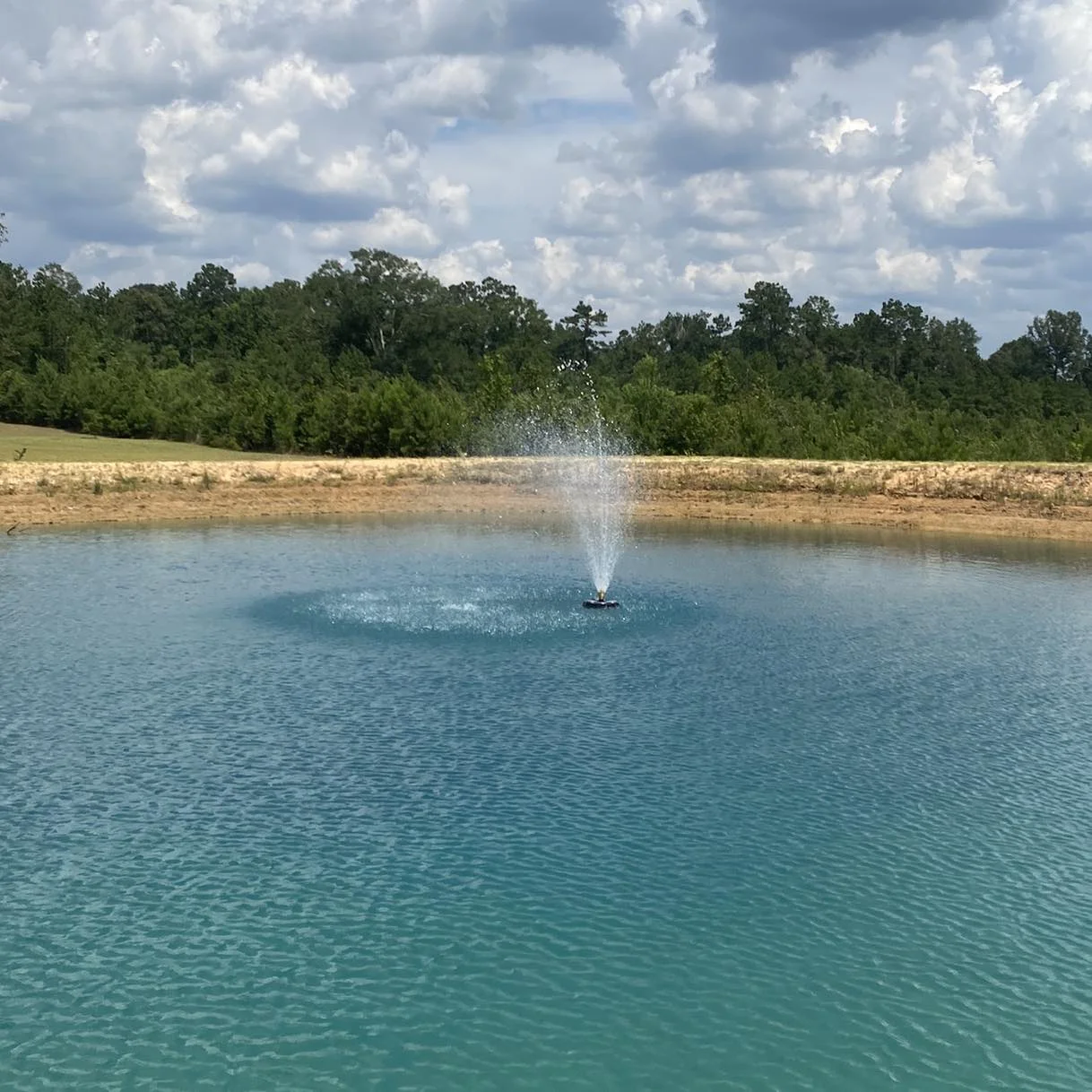
Small ponds add charm and tranquillity to residential landscapes, gardens, parks, and commercial properties. However, without proper water circulation, they can quickly develop issues such as stagnant water, algae growth, unpleasant odours, and low oxygen levels. Installing a fountain is one of the simplest ways to improve both the appearance and health of a pond.
Floating fountains for small ponds are designed to rest on the water's surface while continuously circulating and aerating the water. Their compact design makes them suitable for ponds with limited space, providing decorative water displays while supporting a healthier aquatic environment. By increasing dissolved oxygen and improving circulation, floating fountains help reduce stagnant areas and promote better water quality.
What Are Floating Pond Fountains?
Floating pond fountains are self-contained water features that float on the pond's surface using buoyant platforms. A submerged pump draws water upward through decorative nozzles, creating attractive spray patterns before the water falls back into the pond.
Unlike fixed fountains, floating models can often be repositioned more easily, making them a practical choice for ponds of various shapes and sizes. Their mobility also allows for easier maintenance and seasonal adjustments.
Benefits of Floating Fountains for Small Ponds
Improves Water Circulation
One of the primary advantages of installing floating fountains for small ponds is improved water movement. Continuous circulation prevents stagnant areas where algae and harmful bacteria are more likely to develop.
Better circulation also distributes oxygen more evenly throughout the pond, creating healthier conditions for fish, aquatic plants, and beneficial microorganisms.
Increases Oxygen Levels
As water is sprayed into the air, it absorbs oxygen before returning to the pond. This natural aeration process increases dissolved oxygen levels, supporting aquatic life and beneficial bacteria responsible for breaking down organic waste.
Healthy oxygen levels are particularly important during warmer months when oxygen concentrations naturally decline.
Helps Reduce Algae Growth
Algae thrive in stagnant, nutrient-rich water. By continuously moving the water and improving oxygen exchange, floating fountains make conditions less favourable for excessive algae growth.
While fountains are not a complete algae treatment solution, they play an important role in maintaining balanced pond conditions when combined with regular maintenance.
Enhances Visual Appeal
Beyond their practical benefits, floating fountains for small ponds create attractive water displays that become the focal point of any pond. Decorative spray patterns introduce movement and sound, transforming even a modest-sized pond into an elegant landscape feature.
The calming sound of flowing water also contributes to a more relaxing outdoor environment for homeowners and visitors alike.
Choosing the Right Floating Fountain
Consider Pond Size
Although designed for smaller water features, floating fountains for small ponds size should still match the dimensions of the pond. Selecting a model that produces an appropriate spray height helps prevent excessive water loss outside the pond while maintaining balanced visual proportions.
Evaluate Pump Performance
The pump determines both water circulation and spray performance. Homeowners should consider flow rate, energy efficiency, and reliability when selecting a floating fountain.
A properly sized pump provides effective aeration without creating excessive turbulence.
Select the Right Spray Pattern
Different nozzles create different visual effects. Some produce tall vertical displays, while others generate wider fan-shaped or tiered spray patterns.
The ideal choice depends on the available space, surrounding landscaping, and personal design preferences.
Installation Tips for Small Ponds
Floating fountains are generally straightforward to install because they require minimal structural modifications. Most systems simply float on the water's surface and are anchored to prevent drifting.
When positioning the fountain, homeowners should consider:
- Pond depth
- Electrical access
- Distance from pond edges
- Spray height
- Nearby aquatic plants
Proper placement allows the fountain to circulate water efficiently while creating an attractive visual display.
Maintaining a Floating Pond Fountain
Routine maintenance helps ensure long-term performance and water quality.
Recommended maintenance includes:
- Cleaning pump intakes regularly.
- Inspecting nozzles for debris.
- Removing leaves and floating organic matter.
- Checking electrical connections.
- Cleaning fountain components according to manufacturer recommendations.
Regular maintenance also helps extend the lifespan of the fountain while maintaining consistent spray performance.
Enhancing Night-Time Pond Displays
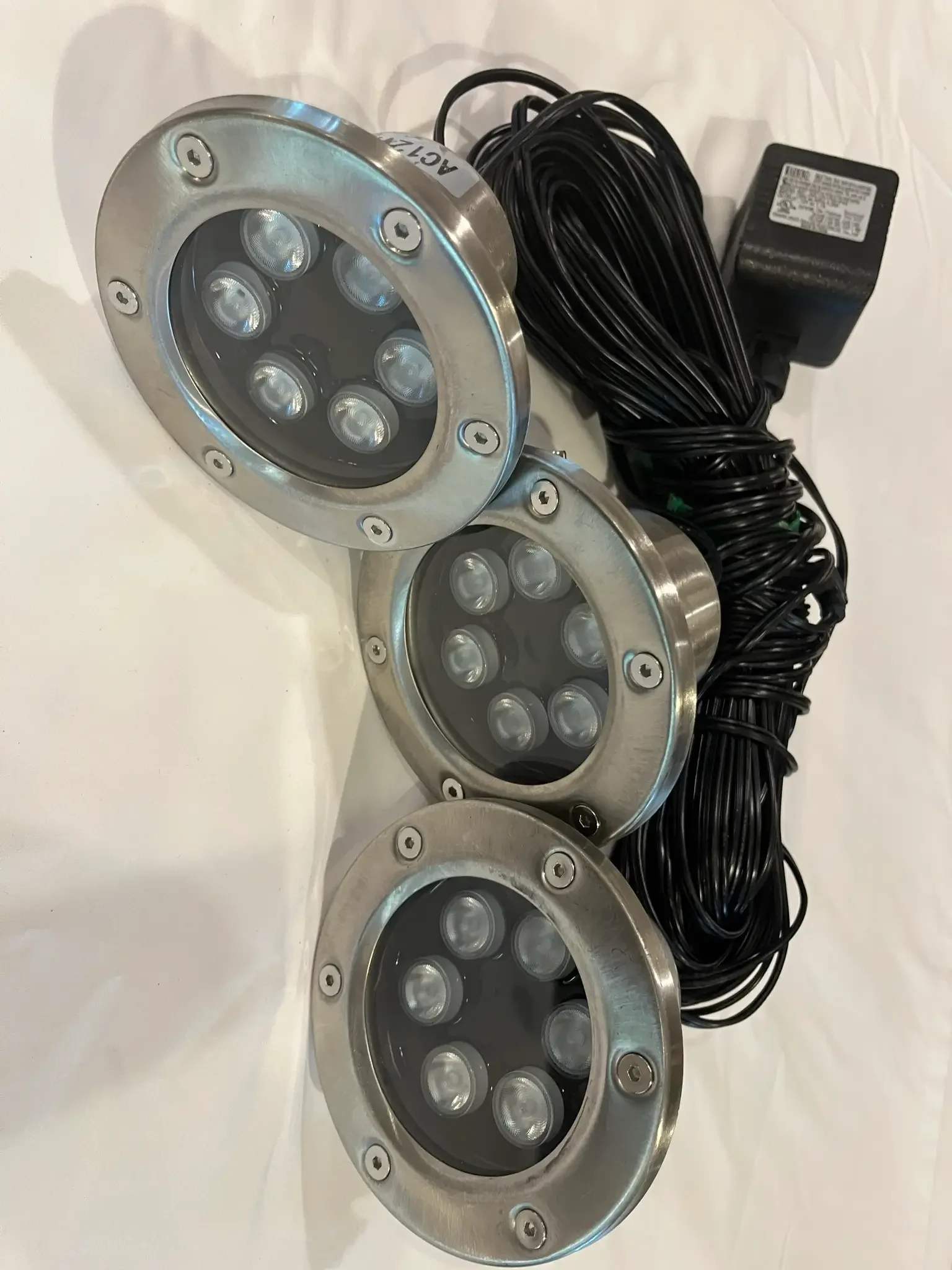
Many homeowners enjoy their ponds after sunset as much as during the day. Adding transforms a floating fountain into an impressive evening feature by illuminating the water spray and creating dramatic reflections across the pond surface.
Modern LED lighting systems are available in white or colour-changing options and are typically designed for underwater use with low-voltage operation. Properly positioned lights enhance visibility, improve aesthetics, and create a striking focal point without significantly increasing energy consumption.
Common Mistakes to Avoid
When installing a floating fountain, avoid these common issues:
- Choosing a fountain that is too large for the pond.
- Ignoring regular cleaning and maintenance.
- Positioning the fountain too close to the pond edge.
- Using incorrect electrical connections for outdoor environments.
- Allowing debris to block the pump or nozzles.
Avoiding these mistakes helps maximise fountain performance while supporting long-term pond health.
Conclusion
A healthy pond requires consistent water movement, proper oxygen levels, and regular maintenance. It provides an effective solution by improving circulation, reducing stagnation, supporting aquatic life, and adding an attractive visual feature to any landscape. For homeowners seeking both functionality and aesthetics, incorporating water fountain LED lights can further enhance the pond's appearance, creating an elegant display that can be enjoyed both day and night.