Sign up with Google
 Sign in with Zoho
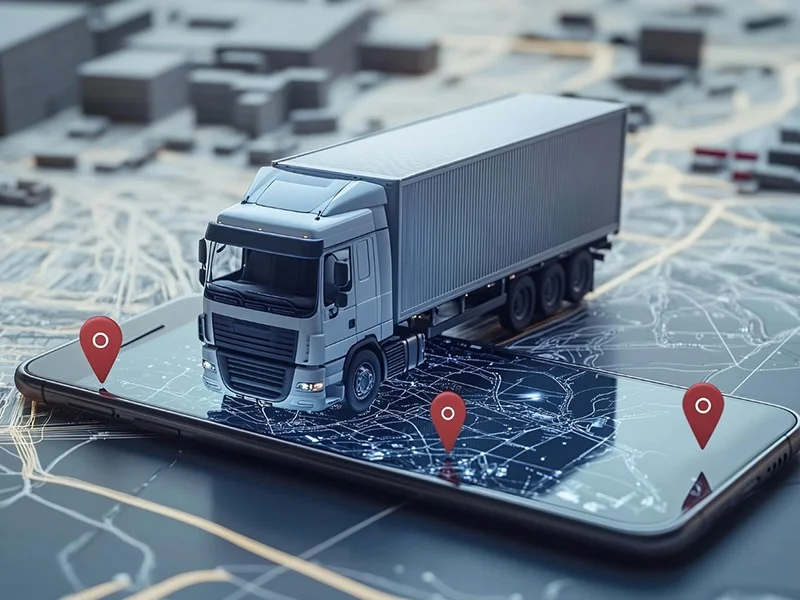
Managing a fleet successfully requires more than keeping vehicles on the road. Businesses need to understand how their vehicles are being used, where delays occur, whether routes are efficient, and how assets can be managed more effectively.
When this information is unavailable, fleet managers often have to rely on assumptions or manual updates. This can make even routine decisions more difficult.
A GPS tracker provides a direct source of vehicle location information. Connected to the right software platform, it can help businesses monitor journeys, review historical activity, and receive alerts about important events.
For businesses looking for a broader connected solution, Flotilla Tracker can support the transition from basic vehicle monitoring toward data-driven fleet operations.
What Is a GPS Tracker and How Does It Work?
A GPS tracker is a device designed to determine the location of a vehicle or other mobile asset.
After installation, the device collects positioning information and sends it to a connected tracking platform. Authorized users can then access the information through a dashboard, map, mobile application, or report.
A tracking solution can provide visibility into:
- Current vehicle location
- Journey history
- Routes traveled
- Stops and movement
- Geographic events
- Operating activity
The information can be updated regularly, allowing managers to gain a better understanding of what is happening across their fleet.
Why Do Businesses Need Better Vehicle Visibility?
Many vehicles spend most of their working day away from a company's main office.
A manager cannot physically observe every delivery van, service car, or commercial vehicle. Relying on drivers to provide regular updates can also consume valuable time.
Tracking provides a centralized source of information.
Instead of asking where a vehicle is, managers can check its current position through the platform.
This can be useful when:
- A customer requests an urgent delivery
- A vehicle needs to be redirected
- A driver is delayed
- A service appointment changes
- Management needs to verify a journey
Better visibility can make everyday coordination faster and more organized.
How Can Flotilla Tracker Support Fleet Visibility?
Flotilla Tracker can form part of a connected vehicle management strategy by bringing tracking information into a digital environment.
Rather than treating location data as an isolated feature, businesses can use it to understand broader fleet activity.
For example, managers may review:
- Vehicle movement
- Route patterns
- Travel history
- Vehicle utilization
- Unexpected activity
- Geographic events
This creates a stronger foundation for operational decisions.
The value comes from turning vehicle data into information that teams can actually use.
Can Tracking Help Businesses Improve Dispatching?
Dispatchers often need to decide which vehicle should handle a particular task.
Without current location information, this decision may involve calling drivers individually or relying on outdated schedules.
A tracking platform can provide a clearer view of available vehicles.
For example, if a customer needs an urgent service visit, a dispatcher can identify vehicles operating nearby and determine which one may be appropriate for the assignment.
This can reduce unnecessary travel and improve resource allocation.
How Can a GPS Tracker Help Identify Route Problems?
A planned route and an actual route are not always the same.
Traffic, road closures, customer requests, and driver decisions can all affect vehicle journeys.
Historical tracking information can help managers identify recurring patterns.
They may notice:
- Repeated detours
- Unexpected stops
- Excessive mileage
- Long travel times
- Frequent route deviations
This information can then be investigated.
If a particular route repeatedly causes delays, the business can consider alternative scheduling or routing strategies.
Tracking therefore provides more than a live location—it creates a record that can support operational analysis.
Can Tracking Reduce Unnecessary Vehicle Usage?
Vehicles represent ongoing expenses.
Fuel, maintenance, insurance, depreciation, and driver costs all contribute to the total cost of operating a fleet.
Unexpected or unnecessary vehicle use can increase these expenses.
Tracking can help businesses understand when and where vehicles are being used.
Managers can identify unusual journeys or movement outside normal operating hours.
This information can support discussions around vehicle policies and help businesses maintain better control over their assets.
How Can Businesses Use Tracking for Vehicle Security?
Security is an important concern for businesses operating valuable vehicles.
A tracking platform can provide visibility into vehicle movement and create alerts around defined geographic areas.
Geofencing allows a business to establish virtual boundaries around locations such as:
- Offices
- Warehouses
- Parking areas
- Customer sites
- Restricted zones
If a vehicle crosses a boundary unexpectedly, the system can notify authorized users.
This can provide an additional layer of awareness and help businesses respond to unusual activity.
Can GPS Tracking Improve Driver Management?
Driver behavior can influence fuel consumption, vehicle wear, safety, and operating costs.
Depending on the available platform features, tracking data may help identify events such as:
- Excessive speeding
- Harsh braking
- Rapid acceleration
- Long idle periods
- Unexpected route changes
Managers can use this information as part of driver training and safety programs.
The objective should be to identify areas for improvement and encourage safer driving practices.
When data is used constructively, drivers can better understand how their behavior affects fleet performance.
Why Is Historical Tracking Data Valuable?
Real-time tracking is useful for immediate decisions, but historical data can reveal trends.
A manager may not notice a recurring problem during a single journey.
After reviewing several weeks of information, however, patterns can become clear.
For example, a business may discover that:
- Certain vehicles are rarely used
- Some drivers consistently travel longer routes
- Particular locations cause delays
- Certain vehicles accumulate mileage faster than others
These insights can support decisions about fleet allocation, scheduling, and future vehicle requirements.
Can a GPS Tracker Support Maintenance Planning?
Vehicle maintenance is essential for reliable operations.
Unexpected breakdowns can cause delays, missed appointments, and additional expenses.
Tracking data can contribute to maintenance planning by providing information about vehicle usage and mileage.
Businesses can use actual operating patterns when reviewing servicing requirements.
For example, a vehicle that travels significantly more than others may require closer maintenance attention.
When tracking is connected with other fleet tools, businesses can create a more organized approach to preventive maintenance.
How Can Tracking Improve Customer Service?
Fleet operations directly affect customer experience.
Customers want accurate information about deliveries and scheduled services.
When staff do not know where a vehicle is, providing an accurate update can be difficult.
Tracking can give customer service teams access to current vehicle information.
For example, they may be able to confirm whether a delivery vehicle is approaching a customer's location or whether a technician has completed a previous appointment.
This can improve communication and reduce unnecessary calls between customers, office staff, and drivers.
Is GPS Tracking Useful for Small Fleets?
A common misconception is that tracking technology is only valuable for large transportation companies.
Small businesses can also benefit.
A company with several service vehicles may have the same visibility challenges as a large fleet, simply on a smaller scale.
Examples include:
- Plumbing businesses
- Electrical contractors
- Delivery companies
- Rental businesses
- Maintenance providers
A GPS tracker can help these companies coordinate vehicles and understand how their assets are being used.
As the business grows, a scalable tracking platform can support additional vehicles and users.
What Is the Future of Vehicle Tracking?
GPS tracking is becoming part of a much broader connected technology ecosystem.
Modern fleet platforms can combine location information with IoT devices, sensors, analytics, and Artificial Intelligence.
This creates opportunities to monitor:
- Vehicle health
- Fuel efficiency
- Driver safety
- Maintenance needs
- Asset utilization
- Operational performance
Future platforms are likely to focus increasingly on predicting problems rather than simply reporting what has already happened.
For example, analytics could help identify unusual vehicle behavior before it becomes a larger operational issue.
What Should Businesses Consider Before Choosing a Tracking Platform?
A tracking solution should be selected according to the business's long-term requirements.
Important considerations include:
Scalability
The platform should be capable of supporting fleet growth.
Accuracy
Reliable location information is essential.
Reporting
Historical data should be easy to access and understand.
Alerts
Businesses should be able to configure notifications for important events.
Mobile Access
Managers may need to monitor vehicles away from their desks.
Ease of Use
A complicated interface can reduce the value of the technology.
Support
Reliable assistance can make implementation and ongoing operation easier.
Evaluating these factors can help businesses choose a platform that remains useful as their operations evolve.
Conclusion
A GPS tracker can give businesses greater control and visibility over their vehicles. By providing reliable information about location, routes, movement, and historical activity, tracking technology can support better decisions across many areas of fleet operations.
Flotilla Tracker can form part of this connected approach, helping businesses transform vehicle location data into useful operational information.
The benefits extend beyond simply knowing where a vehicle is. Tracking can support dispatching, route planning, driver management, security, maintenance, customer communication, and vehicle utilization.
As the industry develops, GPS tracking will increasingly connect with IoT, analytics, cloud technology, and Artificial Intelligence. This will create opportunities for businesses to move from basic vehicle monitoring toward more proactive fleet management.
For companies that depend on vehicles every day, reliable tracking can provide the visibility needed to operate with greater confidence. The real advantage is not the location data itself, but the better decisions that can be made when accurate information is available.