Sign up with Google
 Sign in with Zoho

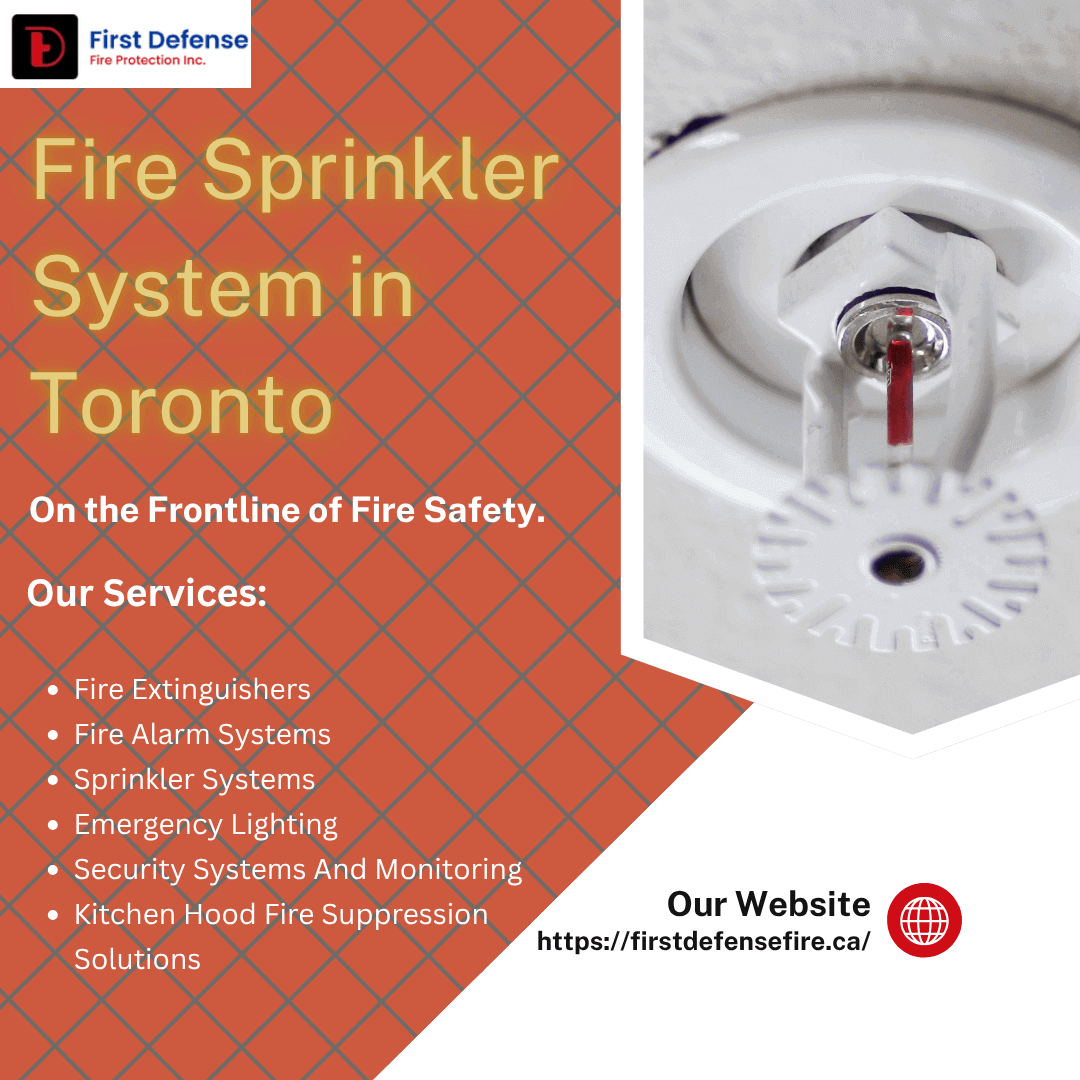
Expert Fire Sprinkler Installation Services Across the Greater Toronto Area
When protecting your commercial building, residential property, or industrial facility from fire hazards, professional fire sprinkler installation stands as your most reliable defense system. In Toronto's diverse architectural landscape—from heritage buildings in Old Toronto to modern high-rises in the Financial District—properly engineered automatic sprinkler systems save lives and protect valuable assets every single day.
First Defense Fire specializes in delivering code-compliant, professionally fire sprinkler installation in Toronto and surrounding regions. Our certified technicians understand the unique challenges of installing sprinkler systems in Ontario's varied climate conditions and diverse building structures.
Expanding Fire Protection Services: Fire Sprinkler Installation in Hamilton
Beyond Toronto, First Defense Fire provides the same exceptional fire sprinkler installation expertise throughout the Greater Toronto and Hamilton Area (GTHA). Hamilton's industrial base, expanding residential developments, and historic downtown core create diverse fire protection requirements.
Our Hamilton fire sprinkler services include:
Industrial Fire Protection: Hamilton's steel manufacturing, automotive production, and heavy industry sectors require robust fire suppression systems designed for high-challenge fire hazards. We design and install specialized systems for:
- Metal fabrication facilities
- Chemical processing plants
- Warehouse and distribution centers
- Manufacturing operations
Commercial Sprinkler Systems: Hamilton's growing downtown revitalization brings new restaurants, retail spaces, and mixed-use developments requiring code-compliant fire protection. Our commercial installations serve:
- Shopping centers and retail spaces
- Restaurant and hospitality venues
- Office buildings and professional centers
- Entertainment facilities
Residential Sprinkler Installation: From McMaster University student housing to luxury condominiums along Burlington Bay, we install residential fire sprinkler systems that protect lives while maintaining aesthetic appeal.
Heritage Building Retrofits: Hamilton's historic architecture—including Victorian-era homes and century-old commercial buildings—presents unique installation challenges. Our sensitive retrofit approach preserves architectural character while providing modern fire protection.
Whether you need Fire Sprinkler Installation in Hamilton for new construction or retrofitting existing structures, our team delivers the same commitment to excellence, safety, and regulatory compliance that has made us Toronto's trusted fire protection partner.
Understanding Fire Sprinkler Systems: More Than Just Water and Pipes
Fire sprinkler systems represent sophisticated fire protection technology that has evolved significantly over the past century. Modern automatic sprinkler installations integrate advanced hydraulic calculations, building-specific design parameters, and regulatory compliance requirements that demand professional expertise.
How Automatic Fire Sprinklers Actually Work
Contrary to popular movie depictions, fire sprinklers don't all activate simultaneously when smoke appears. Each sprinkler head contains a heat-sensitive element—typically a glass bulb filled with glycerin-based liquid or a fusible metal link—calibrated to trigger at specific temperatures between 135°F and 165°F for standard applications.
When fire raises the ambient temperature near a sprinkler head, the thermal element breaks or melts, releasing water directly onto the fire source. Only sprinkler heads directly affected by heat activate, minimizing water damage while maximizing fire suppression effectiveness. This targeted response makes automatic sprinklers remarkably efficient, using an average of 90% less water than fire department hose lines.
Types of Fire Sprinkler Systems for Toronto Properties
Different building types, occupancies, and fire protection objectives require specific sprinkler system designs. Understanding these variations helps property owners make informed decisions about their fire safety investments.
Wet Pipe Sprinkler Systems
Wet pipe systems maintain water under pressure throughout the sprinkler piping network 24/7. These represent the most common and reliable installation type, offering immediate fire response when a sprinkler head activates. For heated Toronto buildings with year-round climate control, wet pipe systems provide optimal protection at the lowest installation and maintenance costs.
Advantages:
- Immediate water discharge upon activation
- Simple, reliable mechanical operation
- Lower installation costs compared to other system types
- Minimal maintenance requirements
- Fastest fire suppression response time
Ideal Applications:
- Office buildings and commercial spaces
- Residential apartments and condominiums
- Retail establishments and shopping centers
- Healthcare facilities and hospitals
- Educational institutions
Dry Pipe Sprinkler Systems
Dry pipe systems keep compressed air or nitrogen in the piping network rather than water, with a dry pipe valve preventing water entry until system activation. When a sprinkler head opens, pressure drops, the valve trips, and water flows through the pipes.
Toronto property owners choose dry pipe installations for unheated spaces, parking garages, loading docks, and areas exposed to freezing temperatures during Canadian winters.
Key Considerations:
- Required for unheated areas below 40°F
- Slightly delayed water discharge (30-60 seconds)
- Higher installation complexity and costs
- More maintenance-intensive than wet systems
- Essential for warehouse freezers and cold storage
Pre-Action Sprinkler Systems
Pre-action systems require two independent events before water discharge: detection system activation AND sprinkler head operation. This double-interlock feature makes pre-action systems perfect for protecting water-sensitive environments.
Specialized Applications:
- Data centers and server rooms
- Museums and art galleries
- Rare book libraries and archives
- Pharmaceutical manufacturing facilities
- Electronics manufacturing plants
Deluge Sprinkler Systems
Deluge systems feature open sprinkler heads without heat-sensitive elements. When the detection system activates, a deluge valve opens, simultaneously discharging water through all sprinkler heads in the protected area.
High-Hazard Applications:
- Chemical storage facilities
- Aircraft hangars
- Power generation plants
- Flammable liquid storage areas
- Industrial processing facilities
The Fire Sprinkler Installation Process: From Design to Commissioning
Professional fire sprinkler installation follows a structured methodology ensuring code compliance, system reliability, and optimal fire protection coverage.
Phase 1: Site Assessment and Fire Protection Engineering
Every successful installation begins with comprehensive site evaluation. Our fire protection engineers visit your Toronto property to:
- Assess building construction type and fire resistance ratings
- Identify occupancy classifications and hazard levels
- Evaluate water supply adequacy (flow rate and pressure)
- Review architectural drawings and building plans
- Determine applicable fire codes and standards
- Calculate hydraulic demands for proper system design
Ontario Building Code requirements, National Fire Protection Association (NFPA) standards, and local Toronto Fire Services regulations all influence system design parameters.
Phase 2: Hydraulic Calculations and System Design
Fire protection engineers perform detailed hydraulic calculations to ensure adequate water delivery to the most remote sprinkler heads. These calculations consider:
- Pipe friction losses over distance
- Elevation changes throughout the building
- Required discharge density (gallons per minute per square foot)
- Design area coverage requirements
- Available water supply characteristics
- Pipe sizing and material specifications
Computer-aided design (CAD) software creates detailed sprinkler layout drawings showing precise head locations, pipe routing, valve placements, and system components.
Phase 3: Permit Applications and Authority Approvals
Before installation begins, we submit complete sprinkler system plans to Toronto Building Services for review and permit issuance. This regulatory approval process ensures your fire protection system meets all applicable codes and standards.
Working with local authorities having jurisdiction (AHJs) streamlines the approval process, preventing costly installation delays and ensuring smooth project progression.
Phase 4: Professional Installation by Certified Technicians
Our licensed sprinkler fitters execute installations with precision and attention to detail:
Week 1-2: Rough-In Installation
- Install main supply piping and riser assemblies
- Run branch line piping throughout protected areas
- Mount pipe hangers and seismic bracing
- Install control valves and alarm devices
- Coordinate with other trades (electrical, HVAC, plumbing)
Week 3: Sprinkler Head Installation
- Install sprinkler heads per approved drawings
- Verify proper coverage and spacing requirements
- Install escutcheons and trim pieces
- Ensure aesthetic integration with ceiling finishes
Week 4: System Testing and Commissioning
- Conduct hydrostatic pressure tests
- Perform flow tests and alarm verification
- Flush piping systems thoroughly
- Test all control valves and devices
- Document system performance
Phase 5: Final Inspections and Documentation
Toronto Fire Services conducts final inspections to verify code compliance before issuing occupancy permits. We provide comprehensive system documentation including:
- As-built drawings showing actual installation
- Hydraulic calculation reports
- Equipment specifications and data sheets
- Valve location charts
- Operation and maintenance manuals
- Inspection, testing, and maintenance (ITM) schedules
Fire Code Requirements for Toronto Buildings
Understanding when fire sprinkler installation becomes mandatory helps property owners plan renovations, expansions, and new construction projects appropriately.
Ontario Building Code Sprinkler Requirements
The Ontario Building Code mandates automatic sprinkler systems for numerous building types and occupancies:
Residential Buildings:
- All residential buildings exceeding three stories
- Care facilities and retirement homes
- Boarding houses and group homes
- High-density residential buildings
Commercial and Industrial:
- Buildings exceeding 600 square meters (6,458 sq ft) in certain occupancies
- High-rise buildings over 18 meters (59 feet) in height
- Assembly occupancies with capacity over 300 persons
- Industrial facilities handling hazardous materials
Retrofitting Existing Buildings: Toronto's heritage building owners often face unique challenges when installing fire sprinklers in structures predating modern fire codes. Our experienced team specializes in sensitive retrofits that preserve architectural integrity while providing comprehensive fire protection.
Benefits of Professional Fire Sprinkler Installation
Investing in quality fire sprinkler installation delivers substantial benefits extending far beyond basic code compliance.
Life Safety and Property Protection
Statistics consistently demonstrate sprinkler system effectiveness:
- Reduce fire death risk by 87% in residential buildings
- Decrease property damage by 70% compared to unsprinklered fires
- Control or extinguish fires in 96% of activations
- Activate only in fire-affected areas, minimizing water damage
Insurance Premium Reductions
Most commercial insurance carriers offer significant premium discounts—often 15-40%—for buildings with approved automatic sprinkler systems. These savings frequently offset installation costs within 5-10 years, making sprinklers a sound financial investment.
Increased Property Values
Buildings equipped with modern fire protection systems command higher market values and attract quality tenants who prioritize safety and operational continuity.
Business Continuity Assurance
Fire sprinklers minimize business interruption by controlling fires before they spread, protecting inventory, equipment, and critical operations. Many businesses never recover from major fire losses—sprinkler systems provide essential operational resilience.
Reduced Fire Department Response Impact
Sprinkler-controlled fires require less aggressive firefighting tactics, reducing water damage, smoke contamination, and structural damage from firefighting operations.
Choosing Your Fire Sprinkler Installation Contractor
The quality of your fire protection system depends entirely on contractor expertise, experience, and commitment to excellence.
Essential Contractor Qualifications
Valid Licensing and Certifications:
- Technical Standards and Safety Authority (TSSA) licensing
- NFPA certification for fire protection specialists
- Workers' compensation coverage (WSIB)
- Comprehensive liability insurance
Proven Experience:
- Minimum 10+ years installing sprinkler systems
- Portfolio of completed Toronto-area projects
- Experience with your specific building type
- References from satisfied clients
Engineering Capabilities:
- In-house fire protection engineering
- Hydraulic calculation expertise
- CAD design proficiency
- Code compliance knowledge
Quality Commitment:
- Use of approved, listed components
- Adherence to manufacturer specifications
- Comprehensive testing protocols
- Thorough documentation practices
Warning Signs of Unqualified Contractors
Avoid contractors who:
- Offer suspiciously low bids without detailed specifications
- Cannot provide licensing documentation
- Lack insurance coverage verification
- Show reluctance to provide references
- Propose shortcuts around code requirements
- Cannot explain their design methodology
Fire Sprinkler System Maintenance and Inspection Requirements
Installation represents just the beginning of your fire protection system's lifecycle. Ontario regulations mandate regular inspection, testing, and maintenance to ensure continued reliability.
Annual Inspection Requirements
NFPA 25 standards and Ontario Fire Code require yearly inspections including:
- Visual inspection of all system components
- Control valve operation verification
- Alarm device testing
- Gauge accuracy confirmation
- Sprinkler head condition assessment
- Documentation review and updates
Quarterly Testing Protocols
Every three months, building owners must:
- Test waterflow alarm devices
- Inspect fire department connections
- Check valve supervisory alarms
- Verify pressure readings
Five-Year Internal Piping Inspection
Dry pipe and pre-action systems require internal pipe inspection every five years to check for corrosion, obstruction, and debris accumulation.
Sprinkler Head Replacement Schedules
Fast-response sprinkler heads typically require replacement or testing after 20 years, while standard response heads need evaluation at 50 years.
Cost Considerations for Fire Sprinkler Installation
Understanding sprinkler system costs helps property owners budget appropriately and make informed investment decisions.
Factors Affecting Installation Costs
Building Size and Configuration: Larger square footage requires more piping, heads, and labor hours. Complex layouts with multiple floors, mechanical areas, and architectural features increase installation complexity.
System Type Selection:
- Wet pipe systems: $2-$7 per square foot
- Dry pipe systems: $4-$10 per square foot
- Pre-action systems: $10-$20 per square foot
- Deluge systems: $15-$30+ per square foot
Water Supply Infrastructure: Buildings lacking adequate water supply may require fire pumps, storage tanks, or water main upgrades adding $15,000-$100,000+ to project costs.
Occupancy Hazard Classification: Light hazard occupancies (offices, hotels) require lower sprinkler density than ordinary hazard (parking garages, light manufacturing) or high hazard (chemical storage, spray painting) spaces.
Architectural Finishes: Exposed piping costs less than concealed installations requiring ceiling modifications, decorative heads, and specialized escutcheons.
Long-Term Value Beyond Initial Investment
While installation costs represent a significant capital expenditure, the long-term value proposition includes:
- Annual insurance premium savings
- Avoided fire loss costs
- Increased property value
- Tenant attraction and retention
- Regulatory compliance assurance
- Peace of mind knowing lives and property are protected
Technology Innovations in Modern Fire Sprinkler Systems
Fire protection technology continues advancing, offering building owners enhanced capabilities and improved performance.
Smart Sprinkler Monitoring Systems
Internet-connected monitoring devices provide real-time system status updates, sending alerts when:
- Control valves close unexpectedly
- System pressure drops below normal
- Tamper switches activate
- Water flow occurs indicating possible fire or leak
These smart systems enable rapid response to system issues, preventing small problems from becoming major failures.
Corrosion-Resistant Piping Materials
Traditional steel sprinkler piping can corrode over decades, potentially leading to leaks or blockages. Modern alternatives include:
- CPVC plastic piping (lightweight, corrosion-proof)
- Stainless steel (ultimate corrosion resistance)
- Copper piping (suitable for smaller residential systems)
- Nitrogen generators (prevent corrosion in dry pipe systems)
Residential Fire Sprinkler Innovations
Residential sprinkler technology has evolved dramatically, offering:
- Concealed pendent heads invisible until activation
- Decorative sprinkler plates matching any décor
- Multipurpose piping reducing installation costs
- Quick-response elements for faster activation
Environmental Considerations and Water Conservation
Modern fire sprinkler systems align with sustainable building practices and environmental responsibility.
Water Usage Efficiency
Sprinkler systems use significantly less water than firefighting operations:
- Average sprinkler discharge: 10-30 gallons per minute per head
- Fire hose discharge: 100-250 gallons per minute
- Typical residential fire sprinkler activation: 1-2 heads
- Typical fire department response: 1,000-5,000 gallons
Fire Sprinkler Water Containment
Controlled sprinkler discharge minimizes environmental contamination from smoke, chemicals, and debris entering municipal water systems through drainage.
Antifreeze Alternatives
Following concerns about glycerin-based antifreeze solutions, the industry has transitioned to:
- Dry pipe systems in freeze-prone areas
- Heat tracing for small exposed pipe sections
- Compressed air or nitrogen in dry systems
Common Fire Sprinkler Installation Myths Debunked
Misconceptions about fire sprinkler systems prevent some property owners from installing these life-saving devices.
Myth 1: "Smoke triggers all sprinklers to activate simultaneously." Reality: Only sprinkler heads directly exposed to fire-level heat activate. Smoke detectors trigger alarms but cannot activate sprinklers.
Myth 2: "Sprinkler systems cause extensive water damage." Reality: Early fire control by 1-2 sprinkler heads causes far less damage than fire department hose lines or uncontrolled fire spread.
Myth 3: "Sprinklers activate accidentally, damaging property." Reality: Accidental discharge is extremely rare, occurring in less than 1 in 16 million installed heads annually, usually from physical damage.
Myth 4: "Sprinkler systems are prohibitively expensive." Reality: When factoring insurance savings, property protection value, and life safety benefits, sprinklers represent excellent value.
Myth 5: "Sprinklers ruin building aesthetics." Reality: Modern concealed, flush, and decorative sprinkler heads integrate seamlessly with any architectural design.
Frequently Asked Questions About Fire Sprinkler Installation
How long does typical installation take? Residential installations typically require 1-3 days. Commercial projects range from 2 weeks to several months depending on building size and complexity.
Can sprinklers be added to existing buildings? Absolutely. Retrofit installations are common, though they may require more complex piping routes and architectural coordination than new construction.
Do sprinkler systems require much maintenance? Minimal maintenance is required—primarily annual professional inspections and quarterly visual checks by building staff.
Will frozen pipes cause problems in Toronto winters? Properly designed systems account for climate conditions. Heated areas use wet pipe systems, while unheated spaces require dry pipe or antifreeze protection.
How quickly do sprinklers activate during a fire? Quick-response residential heads activate in 30-60 seconds. Standard commercial heads activate in 1-2 minutes after fire temperatures reach the activation threshold.
Conclusion: Protecting Your Toronto Property Investment with Professional Fire Sprinkler Installation
Fire sprinkler installation represents one of the most important decisions property owners make regarding building safety, occupant protection, and asset preservation. Throughout Toronto's diverse neighborhoods—from the Beaches to Etobicoke, from North York to the Waterfront—professionally installed fire protection systems stand guard 24/7, ready to respond instantly when fire threatens.
Choosing the right fire protection partner matters tremendously when lives and property hang in the balance. First Defense Fire brings decades of specialized experience installing sprinkler systems across every building type and occupancy classification throughout the Greater Toronto Area. Our certified technicians, professional engineers, and dedicated project managers ensure your fire sprinkler installation meets the highest standards of quality, compliance, and reliability.
Whether you're developing a new commercial building in downtown Toronto, retrofitting a heritage property with sensitive fire protection, or ensuring your industrial facility meets current fire codes, our comprehensive sprinkler installation services deliver the protection your property deserves. The same expertise that has made us Toronto's premier fire sprinkler installation contractor extends throughout the region—including our Fire Sprinkler Installation in Hamilton services that bring identical quality standards and professional craftsmanship to the Hamilton community.
From initial engineering assessments through final commissioning and beyond, we partner with property owners throughout the complete fire protection lifecycle. Our commitment extends past installation day—we provide ongoing inspection, testing, maintenance, and emergency repair services ensuring your fire sprinkler system maintains peak reliability year after year.
Don't wait for tragedy to strike before implementing proper fire protection. Contact First Defense Fire today to schedule your complimentary fire protection assessment and discover how professional fire sprinkler installation can safeguard your property, protect your people, and provide the peace of mind that comes from knowing your Toronto building features the gold standard in fire suppression technology.
Fire protection is not an expense—it's an investment in safety, continuity, and confidence. Whether you need sprinkler installation for a small retail shop, a sprawling warehouse complex, a residential condominium tower, or anything in between, let our expertise and experience deliver the fire sprinkler installation your property needs and deserves. Your safety is our priority, and your satisfaction is our guarantee.