Sign up with Google
 Sign in with Zoho

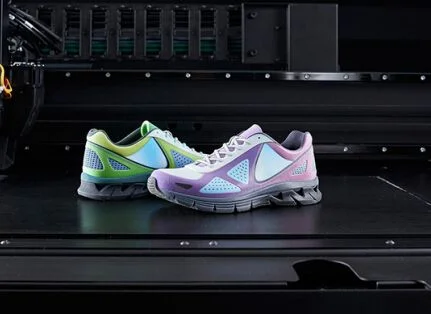
Modern production keeps changing. Companies want better ways to make long lasting parts. They also want new products faster. At the same time, they try to cut down how messy the making process becomes.
Some older methods still matter. But they often cost more. They can waste material too. In some jobs, they also limit what the part can look like. Steel 3D printing services give another path. The process uses metal additive manufacturing. It builds a component one layer at a time from a digital file. This helps teams make hard shapes. It also supports custom parts and detailed prototypes. Work like this shows up in automotive, aerospace, medical devices, and industrial engineering.
More companies are looking at Steel 3D Printing Services. It can help them plan production runs in different ways. With computer aided design, metal powder, and 3D printers, teams can make parts that are tough with common tooling. Stainless steel printing is often chosen for corrosion resistance. It can also offer high strength. It works well when you need fine internal detail.
1. Greater Design Freedom for Complex Components
Metal AM has several upsides. The top one is shape freedom. Older manufacturing methods may take many machining steps. You might need extra parts. You may also need special tools to reach the final form. With 3D printing, some steps drop out. The build creates the structure as it goes.
During planning, teams can add internal channels. They can use lattice features too. They can also trim weight where it is not needed. The outer form can be adjusted for the right fit. That matters when the part must sit in a tight area. It also helps when the part must meet specific engineering targets. Still, the team must watch the limits of the printing process. They should plan for support material. They also need to think about post processing.
Extra options make it easier to test ideas. Teams can try layouts and compare the results. Then they select the version that matches the use case.
2. Faster Product Development and Rapid Prototyping
Many product projects start with prototypes. Teams test the design first. They check fit and sort out issues early. Then they refine details before full production begins. Traditional manufacturing can involve molds or several steps. That can slow the time to a metal prototype. In some cases, metal 3D printing removes some of that friction. It can start from the CAD data for the part.
Rapid prototyping lets engineers study a part’s form up close. They can also test how parts line up and confirm the design holds up the way they intended. Instead of paying for setup tools right away, they might print a few pieces first. Those early prints can reveal issues before the project gets too far.
This can move work along for niche items and short production runs. Even so, total build time is not one fixed number. It depends on the part size. It also depends on the print method, which materials are on hand, the target surface look, and what checks must be done.
3. Reduced Material Waste in Selected Applications
Another factor that pushes makers toward additive work is how much material they actually use. With CNC machining, workers begin with a solid block and remove what is not needed. That removal can waste a lot of stock, most of all when the geometry is tough.
Metal additive manufacturing works in a different way. Instead of cutting, the machine lays material where the part needs it. For some complex shapes, designers may see less raw material going to waste. Still, the trade offs are real. Powder handling, extra support structures, part failures, and the final cleanup can reduce the savings.
If the alloy is costly, better use of material can help keep costs down. Even so, it is not smart to assume every printed part will always beat the usual method on both cost and material use.
4. Applications of Stainless Steel 3D Printing
Stainless steel 3D printing is a common pick when a project needs rust resistance and strong mechanical performance. The final result can shift based on the alloy chosen, the printing process, and what happens after printing. With a good plan, these parts can fit well in multiple areas.
For the auto sector, it can be used for brackets, tooling, prototype parts, and other pieces that face higher demands. In aircraft work, it can help with complex parts where low weight, form, and overall performance matter. For industrial equipment makers, the same idea can support custom tooling, spare parts, and replacement components for machines.
In medicine and health care, some tools and devices may be possible. This only makes sense when the material is verified and approved for the specific intended use.
5. Custom Metal Parts and Low-Volume Manufacturing
Traditional manufacturing can get expensive when a job needs made to order parts in small numbers. Often, moulds, dies, and fixtures create big costs at the start. And if the design changes often, that cost can climb again.
Custom metal 3D printing can lower that load. Parts can be built directly from digital models. Then makers can produce brackets, hardware items, fixtures, and prototype pieces without relying on standard tooling.
These approaches work well for short production runs. They are useful for spare pieces and replacement parts. They also support custom features and special geometry. Teams can adjust the design as they go. That means they do not need to switch tools each time. For huge production volumes, casting, forging, stamping, and related processes might cost less.
6. Better Supply Chain Flexibility
The maker of the parts relies on a supplier. That supplier must deliver the custom components on time. If the schedule slips, the maintenance plan can be thrown off. Then the needed items arrive late. Additive manufacturing can act as a backup for some components. This is most helpful when lead times are long or when sourcing parts is difficult.
You can also build matching parts from digital files. This only works if the right machines and setup are in place. When the files exist, it is easier to run spares and make custom tooling.
Even with digital data, parts are not produced right away. Metal powder supply is a key constraint. So is machine availability. Operator skill matters too. Post processing takes time, and additional checks are needed. For safety critical components, the producer must keep traceability logs and follow engineering specs.
7. Quality Control and Post-Processing Matter
Metal 3D printing can help. It still needs close oversight. If monitoring is relaxed, the results can drift. Heat treatment may be required. Stress relief can also be necessary. Then there is support removal. After that, some parts need finishing steps. In some cases, CNC machining is required. These steps help the part meet its stated function.
Inspections often use multiple checks. Measuring dimensions is common. Validating the material is also important. Surface inspection may be required. If the design calls for it, non-destructive testing is used.
What you get depends on the process behavior. Powder quality also affects outcomes. Together, these items can change porosity levels. They can also shift strength. In the end, they influence how repeatable each build is.
To get strong results, makers should choose the right method and the right material. The choice has to match the component’s job. They also need to confirm the supplier can meet the written needs. This includes tolerance targets. It includes the provided paperwork. It also includes what testing the supplier can perform.
8. Choosing the Right Metal 3D Printing Technology
There are several ways to make metal parts. Laser powder bed fusion is one route. Directed energy deposition is another. With powder bed fusion, you can build fine detail from metal powder. With directed energy deposition, you often add material for repair work. It is also used when you need to build larger parts.
The best route is not the same for every job. Part size can shift the decision. The design details matter too. Alloy choice plays a role. You also need to verify the mechanical strength you require. Surface finish goals count as well. How many parts you plan to make is a key factor. Before anyone commits, a company should line these factors up against what common manufacturing can do.
A technical check can help you judge if additive manufacturing fits. Sometimes a hybrid plan is the better fit. For instance, 3D printing can be used along with other ways of making parts.
Conclusion
Steel 3D printing is reshaping how parts get built. It gives teams more room for design. It can speed up prototype work. It can also handle custom runs. It adds a production option beside older methods. This shows up in fields such as cars, aircraft, industrial equipment, and smaller specialized work. The main idea is that additive can sit next to traditional methods, not only replace them.
Strong results depend on more than one step. Start by choosing the right alloy. Then pick a printing process that matches the target. Next, look hard at the part design and how the process is verified. Costs matter, and so does how the material behaves during printing. Don’t ignore post processing. Your expected production volume also guides the decision on whether this route pays off. When these parts match up, metal additive manufacturing can bring real value.
On balance, the outlook looks positive. Steel 3D printing, in particular, appears ready to grow further.






.webp)