Sign up with Google
 Sign in with Zoho

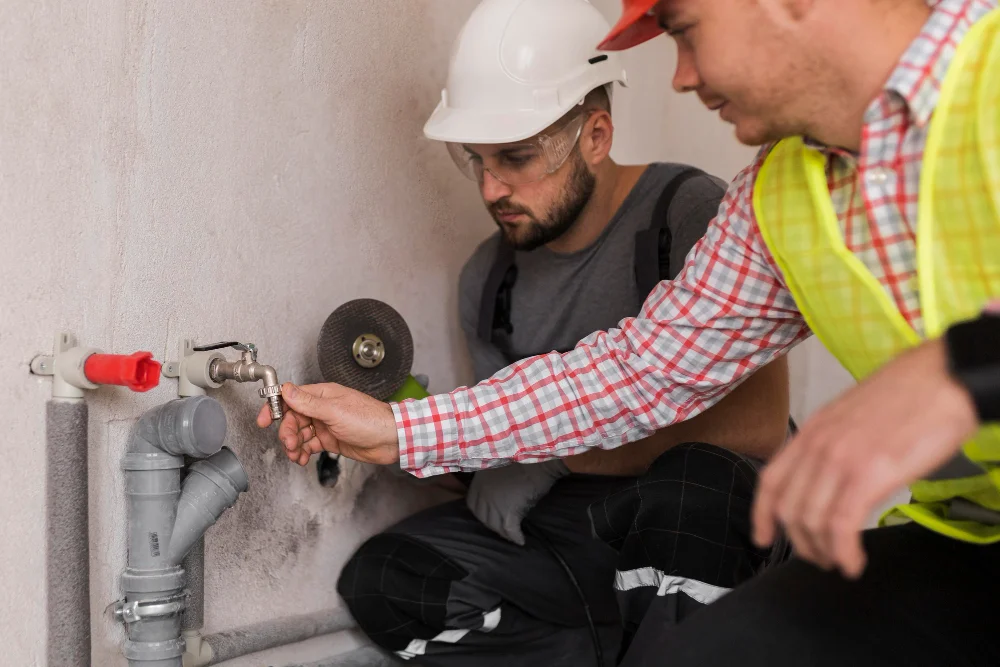
A brown spot on the ceiling, an area of peeling paint, or a musty odor in an empty room may not be noticed for many weeks. However, moisture damage is frequently the result, and at other times the problem is caused by a leaking pipe somewhere in the walls. If you suspect water is escaping and want emergency plumbers Bristol homeowners can call to find it, this guide explains how to tell a leak from other kinds of damp and what to do next.
Is It Really a Leak?
There are numerous reasons for damp, and plumbing is just one of them.
Other Common Reasons
Condensation, rising damp, leaking roofs, blocked gutters, or poor ventilation may all be reasons behind damp patches. Understanding what is going on will help you know whom to call. It's either a roofer or a damp expert if it is any other reason than plumbing, while it's always a plumber when it comes to plumbing itself.
Why Leaks from Plumbing Are Serious
Leaking pipes and joints provide continuous water supply, which means that damp will continue growing without any chances to dry out.
Signs It Could Be a Plumbing Leak
There are some signs that indicate water escaping through the pipework.
The Stain Grows in Size
Water stains caused by condensation tend to vary with the season and temperature. However, any growing stain or one that reappears after drying is likely supplied by a leak.
It Occurs Where There are Pipes, Bathroom or Kitchen
Any stain that occurs below a bathroom ceiling, next to a radiator or near a kitchen wall where there are pipes needs to be investigated further. It can take time for water to travel from its source to where it is noticed, so the stain may be found some distance away.
Additional Indications
• Bubbling paint, plaster or wallpaper coming loose
• Running water sound even though nothing is turned on
• Reduced water pressure
• Unexplained rise in water bills
If several of the above signs occur simultaneously, then there is probably a water leak.
A Simple Water Meter Test
If your property has got a water meter installed, then you could conduct a check yourself.
How to do it
Shut down all water outlets, for example faucets and any appliance that needs water like washing machine and dishwasher, and make sure that none is being filled, like the cistern. Take note of the reading and wait for an hour or two without using any water.
What this would tell you
If there has been some change in the reading, water is leaking out somewhere. However, this will not point to the place, but will confirm that water is leaking and would help the plumber. If there has not been any change, then the dampness is probably due to something else.
How a Plumber Finds Hidden Leaks
Spotting a leaking pipe hidden in a wall or underneath a floor requires some skill.
Look at the Obvious First
The plumber will investigate any exposed pipes, fittings, faucets, tanks, radiators and appliance connections, as well as the surroundings of the affected area. Most leaks are actually at a fitting and not inside the wall at all.
Narrow Down the Possibility
They can pinpoint the location of the leak through testing for pressure and flow by shutting off portions of the plumbing system. Should you require a plumber in Bristol urgently, they will inform you of their findings and what repairs are required prior to any work beginning.
Open Only When Necessary
When the origin has been identified, the plumber will then tell you how the problem will be solved and whether it is necessary to cut into walls or floors.
What to Do While You Wait
The following actions can save you a lot.
Reduce the Amount of Water
If you know the pipe or equipment that seems to be the source of the trouble, close their isolation valves. In case the water is leaking fast, close the main stopcock and use cold water tap to empty the water from pipes.
Turn off the Electric Current Around
If there is moisture near any sockets or lights, you need to turn off the electricity at consumer unit.
Photograph and Track
Take some pictures and mark the edge of the wet spot with a pencil and the date. It will help the plumber and your insurance company understand how this situation changes in one-two days.
When to Treat It as an Emergency
Not all water patches require an emergency visit, but some do.
Ring Immediately if
• Water is coming out of a ceiling or a lighting fixture
• There is a bowed or sinking ceiling
• The water is spreading rapidly
• There is water near electricity
Visit Can Be Postponed Until Daytime
Sometimes even a small patch of water that is not spreading and which is weeping slightly can be made safe and scheduled for a regular visit.. A good plumber in Bristol will tell you honestly which category you are in, and whether out-of-hours charges are justified.
Dealing With the Damp Afterwards
That is only the first step.
Dry the Space Out
Ensure that the windows are open and use a fan and a dehumidifier to allow walls and the floor to dry before applying any decoration. Painting over a wet plaster wall will only lead to the same issue.
Watch Out for Mould Growth
Mould grow in damp spaces after a few days and can cause health issues, especially in children or people who suffer from breathing difficulties. Small mould growth should be cleaned but contact professionals regarding large areas.
Inform Your Insurance Company
See if your insurance policy covers escape of water. Take pictures, collect documentation and keep the plumber's receipt. Some insurance policies treat leaks differently if they are gradual, hence check the policy's terms and conditions.
Do Not Ignore the Stain
The damp patch is a message from your house. If it starts to grow in size and/or give off an odor, or it is starting to appear near any pipes, then you should consider checking whether there is a leak, because mending it now will cost you much less in the long run compared to replacing the ceiling.
Please call us immediately at 07341 741512. We cover all BS postcodes and we don’t charge anything until the job begins.





.webp)