Sign up with Google
 Sign in with Zoho
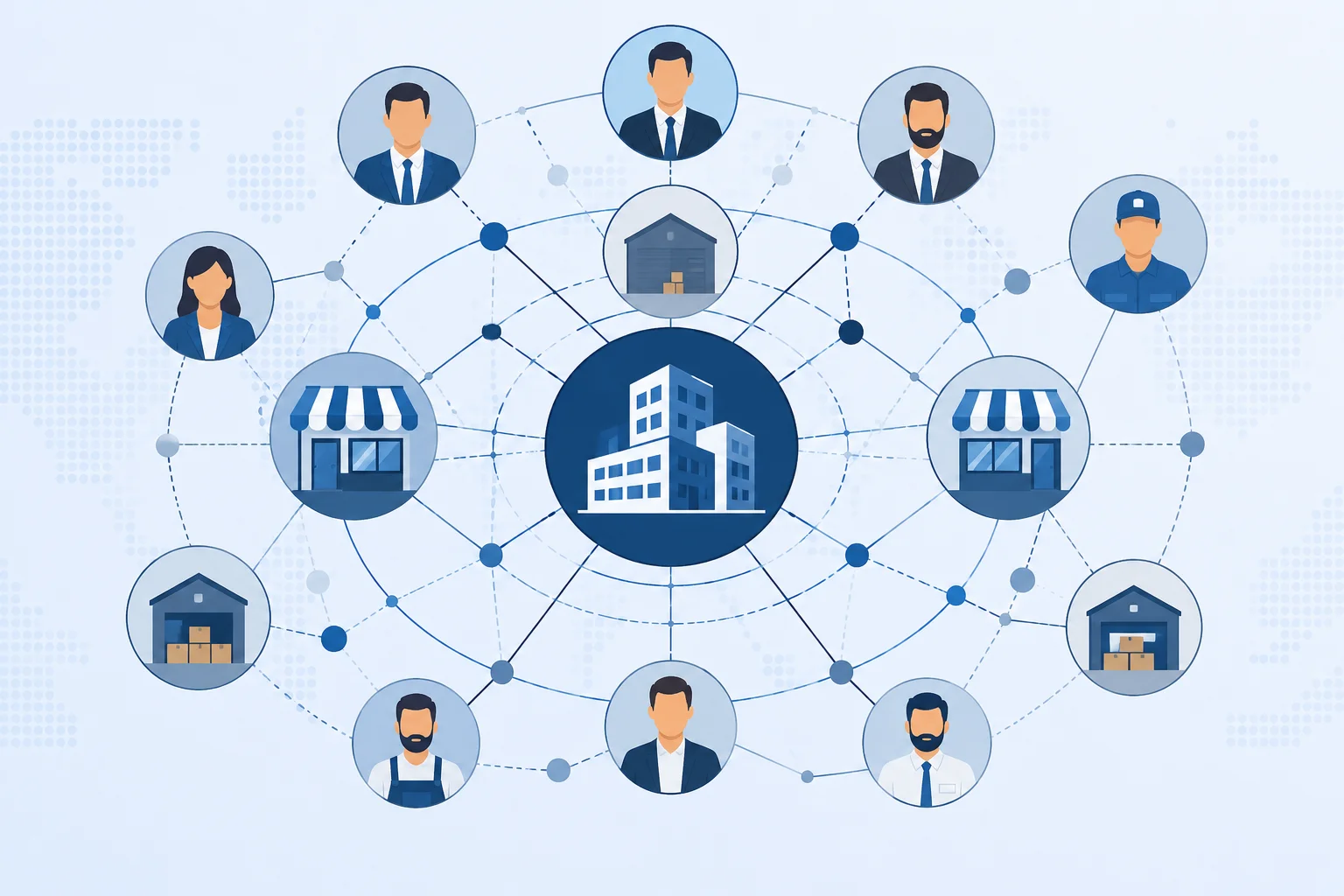
In B2B markets, revenue rarely depends on a single relationship. It depends on a network of distributors, dealers, resellers, and trusted industry voices who decide, often on your behalf, which products get recommended, stocked, and sold. A manufacturer can build an excellent product and still lose ground if the people standing between that product and the end customer have little reason to prioritize it over a competitor's.
This is why more B2B brands are turning to structured loyalty strategies. A well-designed distributor loyalty program keeps channel partners engaged and consistently selling. A parallel influencer loyalty program does the same for the professionals, specifiers, and trusted recommenders who shape purchase decisions in the field. Together, they form a practical framework for improving engagement, retention, sales performance, and long-term brand advocacy.
Why Distributor Relationships Matter in B2B
Distributors are rarely passive intermediaries. They influence product availability, decide how much shelf space or catalog visibility a brand receives, and often shape the retailer relationships further down the chain. A distributor with dozens of competing lines to choose from will naturally lean toward the brands that are easiest to work with, most profitable, and most responsive to their needs.
That influence extends to market reach and sales velocity as well. A distributor who understands a product well and feels invested in its success will actively pitch it, train their own sales staff on it, and prioritize it during customer conversations. One who feels like just another account on a spreadsheet is far more likely to treat the relationship as transactional, and to switch allegiance the moment a better margin appears elsewhere.
How a Distributor Loyalty Program Works
A distributor loyalty program is a structured system for rewarding the specific behaviors that drive channel performance. Rather than offering a flat, one-size-fits-all incentive, an effective program ties rewards to meaningful, measurable activity, such as:
• Sales achievement against agreed targets
• Consistent order frequency and volume
• Active promotion of the brand's products
• Adoption and stocking of new product launches
• Market development activity in new territories or segments
• Sharing of customer or sales data that improves demand planning
• Completion of product training and certification
When these behaviors are recognized and rewarded consistently, distributors have a tangible reason to prioritize one brand's line over a competitor's. Distributor engagement becomes a two-way exchange rather than a one-directional expectation, and channel partner loyalty starts to compound over time rather than resetting with every negotiation cycle.
Benefits of a Distributor Loyalty Program
The practical value of a structured program tends to show up across several areas of the business:
• Better distributor retention, since switching costs feel higher when a relationship carries real, earned value
• Increased sales engagement from partner teams who are actively incentivized rather than passively stocking product
• More consistent order patterns, which improves forecasting and inventory planning
• Stronger channel partner engagement and more open lines of communication
• Better visibility into partner performance through tracked activity and reporting
• A measurable shift toward brand preference in competitive selling situations
• More predictable channel growth, since partner behavior becomes less reactive and more strategic
None of this requires a radical shift in how a company sells. It requires recognizing that distributor rewards, applied consistently, change the way partners allocate their time and attention.
Why Influencers Matter in B2B Markets
Distributors are not the only stakeholders shaping demand. In many B2B industries, purchase decisions are heavily influenced by professionals who are trusted for their technical expertise rather than their sales role. Contractors, engineers, architects, mechanics, electricians, plumbers, consultants, and other subject-matter experts routinely recommend specific products to their clients or employers, often carrying more credibility than the manufacturer's own marketing.
A recommendation from a trusted electrician about which components to use, or from an engineer specifying materials on a project, can carry more weight than any advertisement. These individuals do not always think of themselves as marketing channels, but functionally, they operate exactly like one.
What Is an Influencer Loyalty Program?
An influencer loyalty program is designed to engage and reward these professional recommenders for the activities that genuinely support brand growth. Common qualifying behaviors include:
• Recommending products to clients, employers, or project teams
• Referring new customers or projects
• Participating in product demonstrations
• Contributing to case studies, reviews, or educational content
• Completing product training modules
• Providing structured product feedback
• Advocating for the brand within their professional networks
• Helping build awareness around new product launches
Unlike a distributor arrangement, an influencer loyalty program is less about transactional sales volume and more about sustained brand advocacy and influencer engagement. The reward structure needs to reflect that difference in motivation.
Distributor Loyalty Program vs. Influencer Loyalty Program
While both program types fall under the umbrella of B2B loyalty programs, they are built around different objectives, audiences, and mechanics.
Objective
A distributor program is primarily built around driving and retaining sales volume through the channel. An influencer program is built around driving product recommendations, referrals, and brand credibility.
Audience
Distributor programs target businesses and their sales teams. Influencer programs target individual professionals whose expertise and opinions carry weight with end customers.
Behaviors Rewarded
Distributor programs reward measurable commercial activity: orders, targets, promotions. Influencer programs reward advocacy-oriented activity: recommendations, referrals, content, and training participation.
Reward Mechanics
Distributor rewards often scale with sales performance and may include rebates, co-op funds, or tiered incentives. Influencer rewards tend to be smaller and more frequent, reinforcing ongoing engagement rather than large periodic payouts.
Both approaches support partner retention and channel partner loyalty, but they require distinct strategies, communication styles, and reward structures to be effective.
How Technology Makes B2B Loyalty Programs More Effective
Manually administering either type of program becomes unmanageable once a brand is working with more than a handful of partners or influencers. A modern loyalty management platform automates the operational work so program managers can focus on strategy rather than spreadsheets, including:
• Partner and influencer registration
• Activity tracking across multiple behaviors and touchpoints
• Points calculation and tiered reward logic
• Reward management and redemption
• Ongoing communication and engagement messaging
• Performance dashboards for both partners and internal teams
• Campaign management for new launches or promotions
• Reporting and analytics to measure program impact
A capable B2B rewards platform reduces manual administration considerably and gives program owners real visibility into what is working, which partners or influencers are most engaged, and where the program needs adjustment.
Building a Long-Term B2B Loyalty Strategy
Programs that last tend to share a common set of practices:
• Identify the right partner and influencer behaviors before designing rewards around them
• Segment distributors and influencers rather than treating every participant identically
• Create reward structures that are relevant to each segment's actual motivations
• Make participation simple, with minimal friction to join and track progress
• Communicate regularly so the program stays visible rather than forgotten
• Track measurable outcomes tied back to business goals, not just participation numbers
• Continuously optimize based on what the data shows
None of these steps are complicated in isolation, but they require consistency and the right infrastructure to sustain over time.
Conclusion
Distributor engagement and influencer advocacy are not side projects; in many B2B industries, they are the primary mechanism through which products get chosen, recommended, and sold. Brands that treat these relationships as strategic assets, rather than administrative afterthoughts, tend to build more resilient and more predictable channel performance.
A structured distributor loyalty program builds commercial alignment with the businesses that move product, while a parallel influencer loyalty program builds credibility and advocacy among the professionals whose recommendations shape customer decisions. Technology platforms such as Elevato Loyalty make it practical to run both programs at scale, giving brands the tracking, automation, and visibility needed to turn partner and influencer relationships into a genuine competitive advantage.