Sign up with Google
 Sign in with Zoho

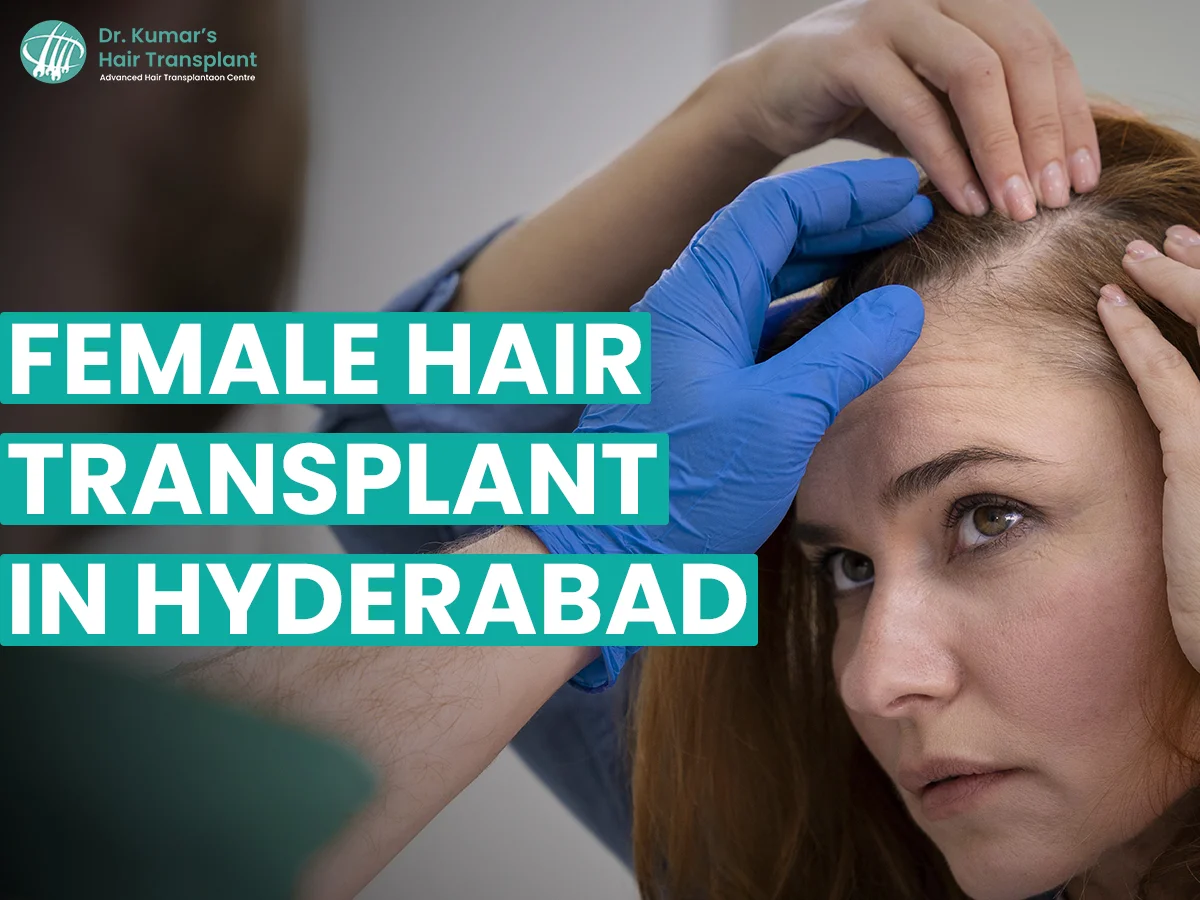
For a long time, hair loss was seen as a problem that mostly affected men. But the truth is, a large number of women also deal with thinning hair, receding hairlines, or visible scalp patches at some point in their lives. Unlike men, women often feel more hesitant to talk about it openly, even though it can affect their confidence just as much. Thankfully, hair restoration science has advanced a lot, and today there are safe, effective solutions designed specifically for women too.
Why Does Hair Loss Happen in Wllomen?
Hair loss in women can happen for many reasons. Hormonal changes after pregnancy or during menopause, thyroid problems, stress, poor nutrition, and certain hair styling habits can all contribute to thinning hair. Genetics also plays a role, and some women simply inherit a tendency towards hair thinning as they age.
The pattern of hair loss in women is usually different from men. Instead of a receding hairline or bald patches, women often notice overall thinning across the scalp, especially at the crown or the parting line. This is why the treatment approach for women needs to be planned carefully and cannot simply copy what works for men.
Understanding Female Hair Transplant
A hair transplant works by moving healthy hair follicles from an area with good growth to the thinning areas. For women, this process needs extra care because the hair loss pattern is more spread out, and the goal is to add density without disturbing the natural look of the hairline.
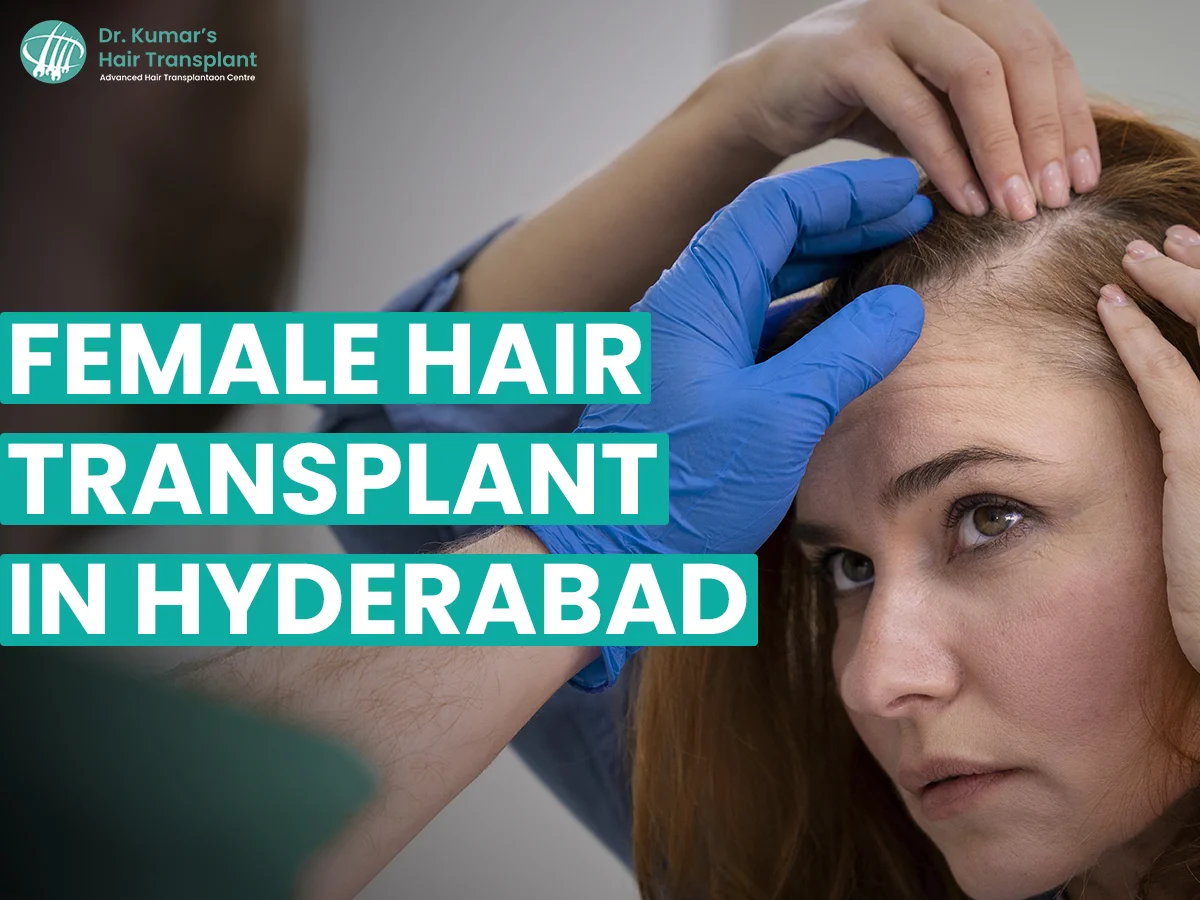
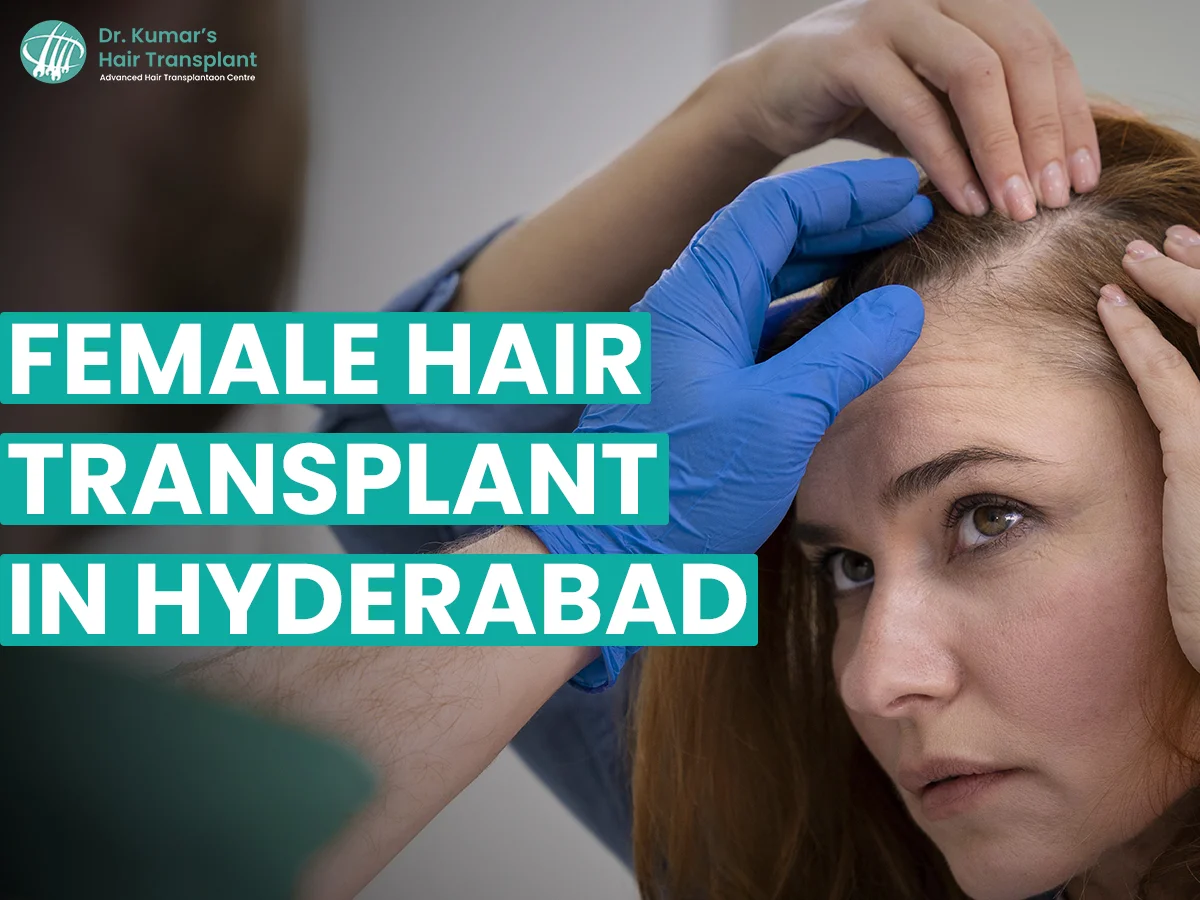
A good Female Hair Transplant in Hyderabad should always begin with a proper diagnosis. Not every woman with thinning hair is a suitable candidate for a transplant. Sometimes the real cause is hormonal or nutritional, and treating that first can bring back healthier hair growth without surgery. This is why it matters to consult a doctor who takes time to understand the root cause before jumping to a transplant.
When a transplant is genuinely needed, the results can be life-changing. Many women who have struggled with thinning hair for years finally get to see fuller, natural-looking hair again, which can make a real difference to how they feel about themselves.
What is FUE Hair Transplant?
FUE, or Follicular Unit Extraction, is one of the most commonly used and preferred hair transplant techniques today. In this method, individual hair follicles are extracted one by one from the donor area, usually the back of the scalp, and then carefully placed in the thinning or bald areas.
The biggest advantage of FUE is that it does not leave a linear scar, unlike older transplant methods. Since it is a minimally invasive procedure, the healing time is also shorter, and most patients can get back to their daily routine within a few days. This is one of the reasons why so many patients now search for FUE Hair Transplant in Hyderabad when they start looking for hair restoration options.
That said, FUE requires a lot of precision and patience from the surgeon. Each follicle has to be extracted and placed with care to make sure it survives and grows naturally. This is a skill that comes with years of practice, so the experience of the doctor performing the procedure matters as much as the technique itself.
Why Experience Matters in Hair Transplant
Hair transplant results depend heavily on the skill of the person performing the procedure. A transplant is not just a mechanical process of moving hair from one place to another. It requires an understanding of hair growth patterns, scalp health, and how to design a hairline or hair density that looks completely natural for that individual.
Dr. Ashok Kumar at Dr. Kumar's Hair Care Clinic has years of experience in performing hair transplants for both men and women. His approach involves carefully studying each patient's hair loss pattern, scalp condition, and expectations before recommending any treatment. This personalised attention helps in delivering results that blend naturally with the patient's existing hair.
Setting Realistic Expectations
One thing every patient should keep in mind is that hair transplant results take time. The transplanted hair goes through a shedding phase first, which can be worrying if you don't know it is normal. New growth usually starts a few months later, and it can take close to a year to see the full results.
Patience and proper aftercare are just as important as the procedure itself. Following the doctor's instructions on medication, scalp care, and lifestyle habits can make a real difference to how well the transplanted hair grows and settles over time.
Final Thoughts
Hair loss can feel discouraging, but it is far more common than most people realise, and there are proven ways to deal with it today. Whether it is understanding the right treatment for female pattern hair loss or opting for a modern technique like FUE, the key is getting proper guidance from an experienced hair specialist.
If you are exploring your options, it always helps to consult a doctor who listens to your concerns and explains things clearly. Dr. Kumar's Hair Care Clinic, led by Dr. Ashok Kumar, has been helping patients in Hyderabad regain confidence with safe, well-planned hair restoration treatments.