Sign up with Google
 Sign in with Zoho
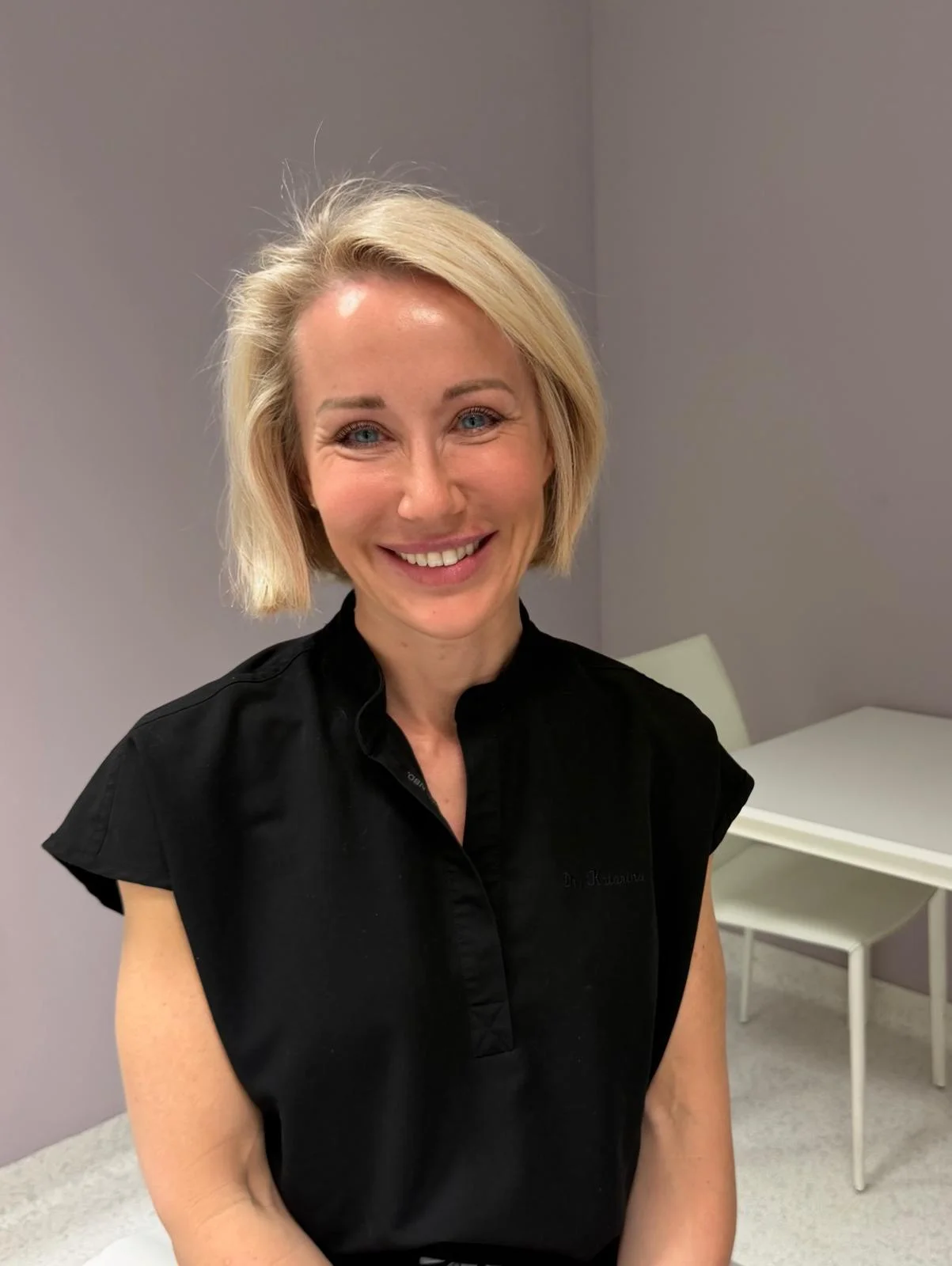

Thinking about cosmetic surgery can bring up a surprisingly complicated mix of feelings. Someone may know exactly what they would like to change, yet still wonder whether surgery is really the right answer.
That uncertainty is not necessarily a bad thing. In fact, taking some time to think through the decision can be one of the most useful parts of the process.
Before booking a procedure, there are a few questions worth asking yourself.
What is actually bothering me?
It sounds simple, but this is probably the most important place to start.
Maybe a particular feature has bothered you for years. Maybe your body changed after pregnancy or significant weight loss. Or perhaps you have noticed a change with age that you would like to address.
Whatever the reason, it helps to be specific about what you want to improve. "I want to look better" is very different from "I would like to address excess abdominal skin" or "I am unhappy with a change in breast volume."
Being clear about the concern makes the conversation with a surgeon much more useful.
Am I expecting surgery to do more than it realistically can?
This is where expectations become important.
Cosmetic surgery can change certain aspects of appearance, sometimes quite significantly. But it cannot freeze the aging process, completely change someone's identity, or guarantee that they will suddenly feel confident in every part of their life.
A good result is usually about achieving a meaningful improvement while still making sense for the person's overall appearance.
It is also worth remembering that photographs of someone else's result are just that — someone else's result. Your anatomy, skin, proportions and healing response may be completely different.
Have I looked at alternatives?
Not every cosmetic concern requires surgery.
Depending on what someone wants to address, there may be non-surgical treatments that are worth discussing. Sometimes the best decision may even be to wait.
This is one reason a proper consultation is valuable. The conversation should be about finding an appropriate solution, rather than automatically choosing an operation.
Can I realistically manage the recovery?
The operation itself is only one part of the experience.
Recovery can mean taking time away from work, changing exercise routines, arranging help at home, attending follow-up appointments and being patient while swelling settles. Some procedures take considerably longer than others before the final result becomes apparent.
It is worth thinking about these practical details before making a decision. A procedure that sounds appealing may not be convenient at a particular point in your life.
Have I researched the surgeon, rather than just the procedure?
Once you have decided that surgery is something you genuinely want to explore, the next question becomes who should perform it.
When researching the best plastic surgeon in Abu Dhabi, look beyond social media followers and polished clinic photographs. Professional qualifications, relevant experience, communication, surgical facilities and follow-up arrangements all deserve attention.
A consultation can tell you things that a website cannot. You can ask how the surgeon approaches the procedure, what alternatives might exist, what recovery usually involves and what limitations you should understand beforehand.
Do I feel comfortable asking difficult questions?
This is an underrated part of choosing a surgeon.
You should be able to say that you are worried about scarring, ask what happens if you are unhappy with the result, question whether another procedure would be more appropriate, or simply admit that you are nervous.
You don't need to know all the medical terminology. A good consultation should leave you feeling that your questions were taken seriously and that you understand what has been discussed.
What about the risks?
It is easy to concentrate on the potential result and forget that surgery is still surgery.
Every procedure has potential risks, and those risks vary according to the operation and the individual patient. A consultation should cover these risks as well as recovery, limitations and possible complications.
Understanding the risks does not mean that you have to become frightened of the procedure. It simply means you are making the decision with a clearer picture of what is involved.
There is no prize for deciding quickly
One of the biggest misconceptions about cosmetic surgery is that once someone starts researching a procedure, they need to make a decision immediately.
They don't.
You can have a consultation and go home to think about it. You can ask more questions later. You can speak with another qualified surgeon if you want another perspective. And you can decide that now isn't the right time.
That last option is perfectly valid too.
Cosmetic surgery can be an appropriate choice for some people, but it should ultimately be a decision made for personal reasons, with realistic expectations and a clear understanding of the procedure and recovery.
The goal isn't simply to find a surgeon who promises the most impressive result. It is to find a qualified professional whose approach makes sense for your particular concerns — and to feel confident that you understand the decision before moving forward.