Sign up with Google
 Sign in with Zoho


Anal fistula can be uncomfortable, embarrassing, and difficult to discuss, especially for women who may hesitate to seek medical attention because of pain, discharge, or problems around the anal area. However, delaying evaluation can allow the condition to become more complicated.
For women experiencing persistent pain, swelling, pus discharge, recurrent boils near the anus, or an opening that does not heal, consulting a qualified female fistula specialist in Delhi can help identify the underlying problem and determine an appropriate treatment plan.
An anal fistula is an abnormal tunnel that develops between the inside of the anal canal or rectum and the skin around the anus. It commonly develops after an anal abscess has drained but the infected tract remains. Although fistula can affect anyone, women may have additional concerns related to privacy, childbirth history, pelvic health, and comfort during examination.
This guide explains the common symptoms, causes, diagnostic process, treatment options, and important considerations when looking for fistula care in Delhi.
What Is an Anal Fistula?
An anal fistula is an abnormal passage connecting an infected area inside the anus or rectum with the surrounding skin. In many cases, it develops following an anal abscess.
An abscess is a collection of pus caused by infection. When an abscess drains—either naturally or after medical treatment—the external opening may appear to heal while an internal tract remains. This persistent tract can repeatedly become infected and cause discharge or swelling.
Common signs may include:
- Persistent or recurrent pain around the anus
- Swelling or a lump near the anal opening
- Pus or foul-smelling discharge
- Blood mixed with discharge
- Recurrent boils in the same area
- Skin irritation or itching
- A small opening near the anus
- Pain that becomes worse while sitting or during bowel movements
- Temporary relief after pus drains, followed by recurrence
These symptoms should not be ignored, particularly when they continue for several weeks or repeatedly return.
Why Women Should Not Ignore Fistula Symptoms
Women sometimes postpone consultation because they feel uncomfortable discussing symptoms affecting an intimate area. Others may assume that recurring swelling or discharge is simply a minor skin infection.
However, recurrent symptoms may indicate an underlying fistulous tract.
Seeking evaluation from a female fistula specialist in Delhi can provide an opportunity to discuss symptoms confidentially and understand whether the problem is an anal fistula, abscess, fissure, haemorrhoids, or another condition.
Early evaluation is useful because fistulas generally do not resolve simply through home remedies when a persistent tract is present. The appropriate treatment depends on the location and complexity of the tract.
What Causes Anal Fistula in Women?
The most common cause of anal fistula is an infection of an anal gland that progresses to an abscess and subsequently forms a persistent tract.
Other possible causes and associated conditions include:
1. Previous Anal Abscess
A previously treated or spontaneously drained abscess can leave behind a tract. This is one of the most common pathways through which an anal fistula develops.
2. Inflammatory Bowel Disease
Conditions such as Crohn's disease can be associated with fistula formation. Patients with persistent gastrointestinal symptoms and recurrent fistulas may require evaluation for an underlying inflammatory condition.
3. Previous Surgery or Injury
Certain surgical procedures, trauma, or injuries involving the anal or rectal region can occasionally contribute to fistula development.
4. Infections
Certain infections can damage tissues and contribute to abnormal tract formation.
5. Other Medical Conditions
Less commonly, fistula-like symptoms can be associated with other diseases affecting the bowel or surrounding tissues. This is why professional diagnosis is important rather than assuming that every draining opening is an ordinary fistula.
How Is an Anal Fistula Diagnosed?
Diagnosis usually begins with a detailed medical history and physical examination.
A specialist may ask about:
- When symptoms first appeared
- Previous abscesses or surgeries
- The location and nature of discharge
- Pain and swelling
- Bowel habits
- Previous treatments
- Relevant medical conditions
- Any history of recurrent symptoms
During examination, the doctor may look for an external opening, swelling, tenderness, or discharge.
For some patients, additional investigations may be recommended to understand the fistula's anatomy. Depending on the case, imaging or other diagnostic procedures may be considered.
Accurate diagnosis is particularly important before treatment because fistula tracts can vary considerably in their location, depth, and relationship with the anal sphincter muscles.
Fistula Treatment Options for Women
Treatment is individualized according to the type, location, complexity, and cause of the fistula.
Fistulotomy
Fistulotomy is a commonly used surgical approach for selected fistulas. The fistulous tract is opened so that it can heal from the inside outward.
Whether this procedure is appropriate depends on the anatomy of the fistula and the amount of sphincter muscle involved.
Seton Treatment
A seton may be placed through the fistula tract in selected cases. It can help maintain drainage and may be used as part of staged treatment, particularly for certain complex fistulas.
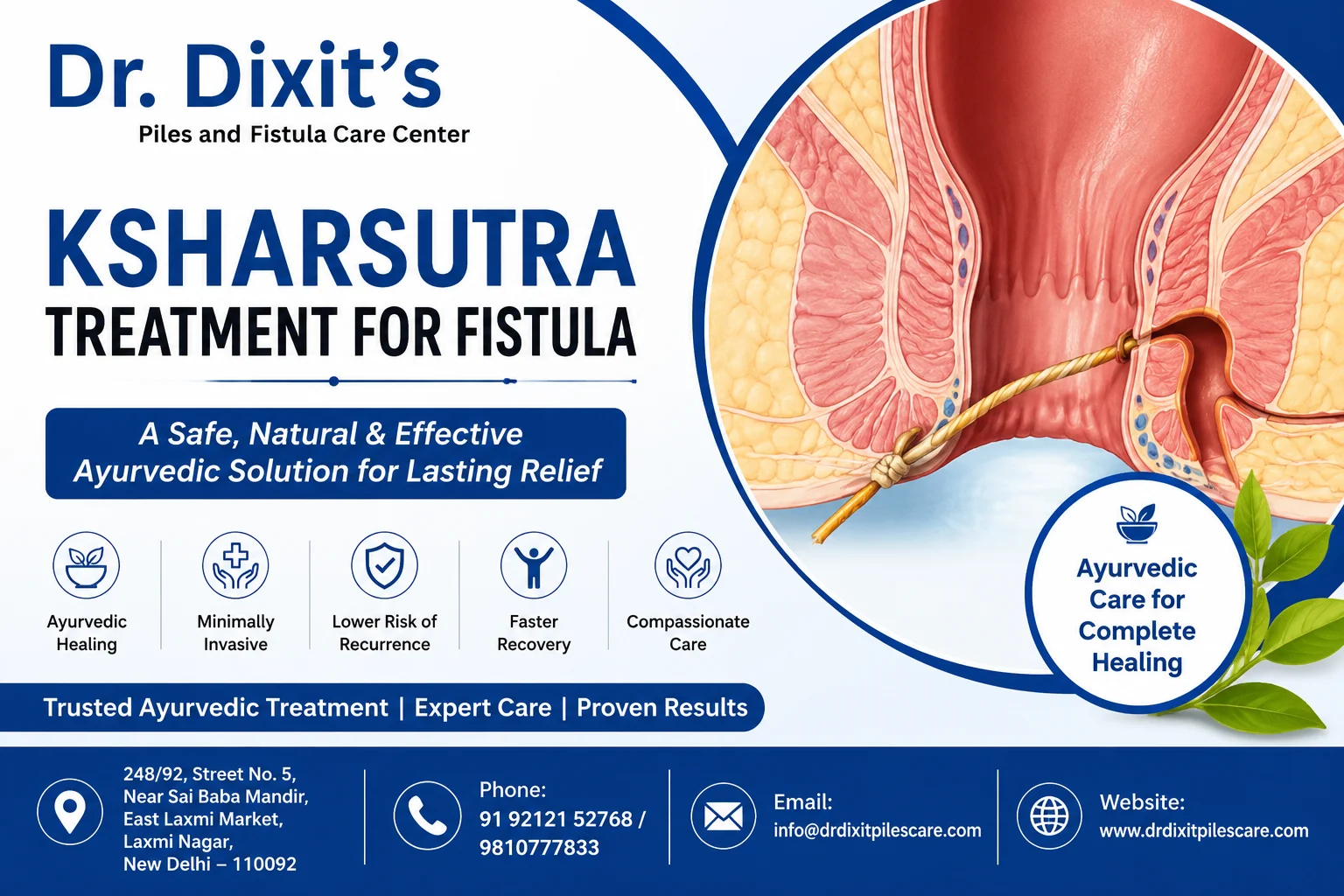
Kshar Sutra Therapy
Kshar Sutra is an Ayurvedic para-surgical technique used in the management of selected fistula cases. It involves a medicated thread placed through the fistulous tract and changed periodically under professional supervision.
Treatment suitability varies from patient to patient. Women considering this approach should receive an appropriate examination and discuss the expected treatment duration, follow-up requirements, possible discomfort, and alternatives with a qualified practitioner.
For women researching fistula treatment in Delhi, it is important to choose treatment based on the characteristics of the individual fistula rather than relying solely on a particular procedure advertised online.
What Should Women Look for in a Fistula Specialist?
Choosing a doctor for an intimate and potentially recurring condition requires both clinical expertise and a comfortable consultation environment.
When searching for a female fistula specialist in Delhi, consider the following:
- Experience in diagnosing and treating anal fistula
- Clear explanation of the diagnosis and treatment choices
- Appropriate examination and investigation when required
- Discussion of potential benefits and risks
- Attention to sphincter preservation and continence
- Transparent information about follow-up care
- A respectful and confidential consultation environment
- Willingness to answer questions about recovery and recurrence
The most appropriate specialist is not simply the one offering a particular procedure. The treatment plan should be based on the individual patient's condition.
How Women Can Prepare for a Fistula Consultation
Many patients feel nervous before their first consultation. Preparing a few details beforehand can make the appointment more productive.
Consider noting:
- When the symptoms began
- Whether swelling appears repeatedly
- The colour and frequency of discharge
- Whether there has been fever
- Any previous abscess or fistula treatment
- Previous surgeries in the area
- Current medications
- Relevant digestive or bowel symptoms
- Previous diagnostic reports
Do not feel embarrassed about describing symptoms accurately. Details that may seem minor can help the specialist understand the progression of the condition.
Can Fistula Be Treated Without Delay?
A fistula should not be treated as an ordinary skin wound. Even when external discharge temporarily decreases, an internal tract may remain.
This is why recurring symptoms deserve professional assessment.
Patients should also avoid repeatedly squeezing a swelling or relying exclusively on home remedies without understanding the cause. Such approaches may provide temporary relief but may not address an established fistulous tract.
If you are looking for detailed information about fistula in women, including symptoms, causes and treatment options, you can explore this comprehensive guide to fistula in women.
When Should You See a Specialist?
Professional evaluation is particularly important when you experience:
- Repeated swelling near the anus
- Pus or persistent discharge
- A wound or opening that does not heal
- Recurrent abscesses
- Increasing pain or redness
- Fever associated with swelling
- Bleeding with other persistent symptoms
- Symptoms that repeatedly improve and then return
Sudden severe pain, rapidly increasing swelling, fever, or feeling significantly unwell can require prompt medical attention because an active abscess may need appropriate treatment.
Final Thoughts
Anal fistula is a treatable condition, but successful management depends on understanding the fistula's anatomy and selecting an appropriate treatment strategy. Women should not allow embarrassment or fear to delay professional evaluation when symptoms persist or recur.
If you are searching for a female fistula specialist in Delhi, focus on finding qualified care where your symptoms can be evaluated properly, treatment options are explained clearly, and your privacy and concerns are respected.
For further information or consultation regarding fistula care, visit Dr. Dixit’s Piles and Fistula Care Centre and discuss your symptoms with a qualified practitioner. An early and accurate assessment can help you understand your condition and plan the next appropriate step.
FAQs
1. What are the common symptoms of anal fistula in women?
Common symptoms include recurrent swelling, pain, pus discharge, a small opening near the anus, skin irritation, and repeated abscesses in the same location.
2. Can an anal fistula heal on its own?
An established anal fistula often contains a persistent tract and may continue to cause recurrent symptoms. Professional evaluation is recommended to determine the appropriate treatment.
3. Is fistula treatment painful?
The level of discomfort depends on the treatment method and individual circumstances. A specialist can explain expected discomfort, recovery, and pain-management options before treatment.
4. Can women receive Kshar Sutra treatment for fistula?
Kshar Sutra may be considered for selected fistula cases. Suitability depends on the fistula's characteristics and should be determined after professional assessment.
5. How do I find a female fistula specialist in Delhi?
Look for a qualified practitioner with relevant experience in fistula diagnosis and treatment. During consultation, ask about the diagnosis, available treatment options, expected recovery, recurrence, and follow-up care.
6. Why does an anal fistula keep coming back?
Recurrence can occur when an underlying fistulous tract remains, when the anatomy is complex, or when another underlying condition contributes to fistula formation. Proper diagnosis is important when symptoms repeatedly return.