Sign up with Google
 Sign in with Zoho

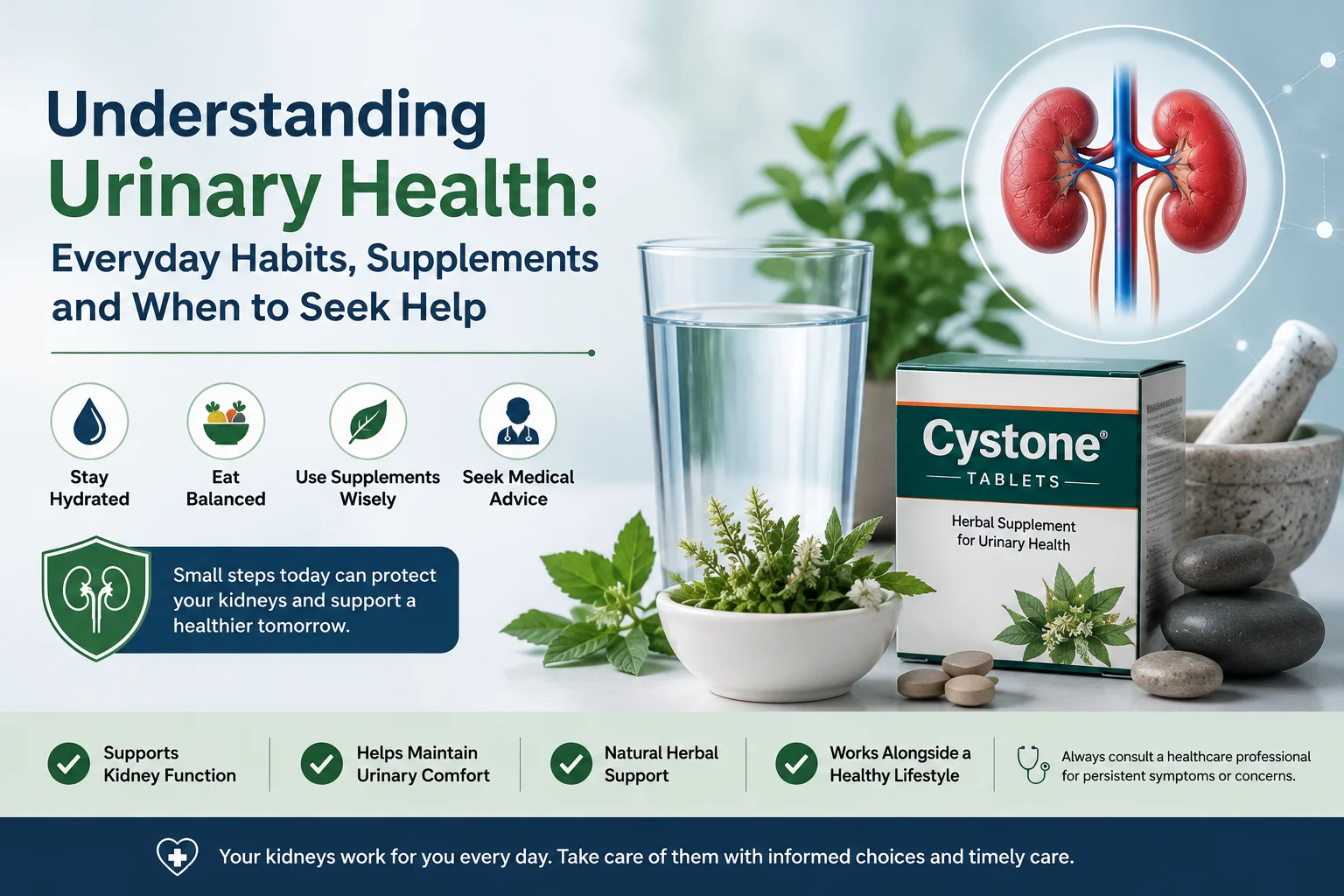
Urinary health is influenced by hydration, diet, lifestyle and underlying medical conditions. People experiencing urinary discomfort or recurring kidney stone concerns often search online for remedies, supplements and information about cystone tablet uses. While understanding commonly used products can be helpful, no supplement should replace an appropriate medical evaluation. According to Dr. Ankit Kayal, urinary symptoms can have different causes, which is why identifying the underlying problem is more important than simply treating symptoms at home.
Understand What Your Urinary Symptoms Mean
Burning during urination, frequent urges, lower abdominal discomfort or changes in urine can occur for several reasons. Dehydration, urinary tract infections, kidney stones and certain bladder conditions are some possibilities.
A single mild symptom may sometimes resolve, but persistent or recurring problems shouldn't be ignored. If you notice blood in the urine, severe pain, fever with urinary symptoms or difficulty passing urine, seek medical attention promptly.
Stay Consistently Hydrated
Adequate hydration supports normal kidney function and helps the body remove waste through urine. Instead of drinking large amounts of water at once, aim for consistent fluid intake throughout the day.
Your individual water requirement can vary depending on weather, physical activity, diet and medical conditions. People with certain kidney or heart conditions may also receive specific fluid recommendations from their healthcare provider.
Reducing excessive sugary beverages and making water your primary source of hydration is a simple everyday habit.
Don't Depend Only on Supplements
Herbal and nutritional supplements are widely available for kidney and urinary health. However, the fact that a product contains herbal ingredients doesn't automatically mean it is appropriate for everyone.
Before taking a supplement, understand why you want to use it. Are you experiencing symptoms? Have you previously had kidney stones? Are you taking other medications? These factors can affect whether a particular product is appropriate.
Supplements should be viewed as products with potential benefits, limitations, precautions and interactions—not as substitutes for diagnosis or prescribed treatment.
Build Kidney-Friendly Eating Habits
Your overall diet can influence long-term kidney health. Excessive salt intake, for example, can contribute to high blood pressure, an important risk factor for kidney disease.
Try to include more fresh fruits, vegetables, whole grains and minimally processed foods in your regular diet. Limiting highly processed foods can also help reduce excess sodium.
People with kidney disease or recurrent kidney stones may require more specific dietary recommendations, so generic restrictive diets found online aren't suitable for everyone.
Avoid Self-Medicating Urinary Problems
Taking antibiotics or painkillers whenever urinary discomfort appears can mask symptoms without addressing their actual cause. Antibiotics should particularly be used only when medically appropriate.
The same principle applies to recurring kidney stone symptoms. Different types of stones can have different contributing factors, so prevention strategies may need to be personalised rather than based on a single remedy.
When Should You Seek Medical Advice?
Consult a healthcare professional when urinary symptoms persist, repeatedly return or significantly affect daily life. Severe side or back pain, visible blood in urine, inability to urinate, fever with urinary symptoms or a noticeable reduction in urine output require timely attention.
Early assessment can help determine whether symptoms are related to infection, stones, bladder problems or another condition.
Final Thoughts
Good urinary health is built through consistent habits rather than relying on one medicine, supplement or home remedy. Staying appropriately hydrated, maintaining a balanced diet, avoiding unnecessary self-medication and paying attention to changes in urination are practical steps anyone can take.
Online information can help you become more aware of kidney and urinary health, but persistent symptoms deserve individual medical evaluation. Understanding the cause is always more valuable than repeatedly treating the symptom.