Sign up with Google
 Sign in with Zoho
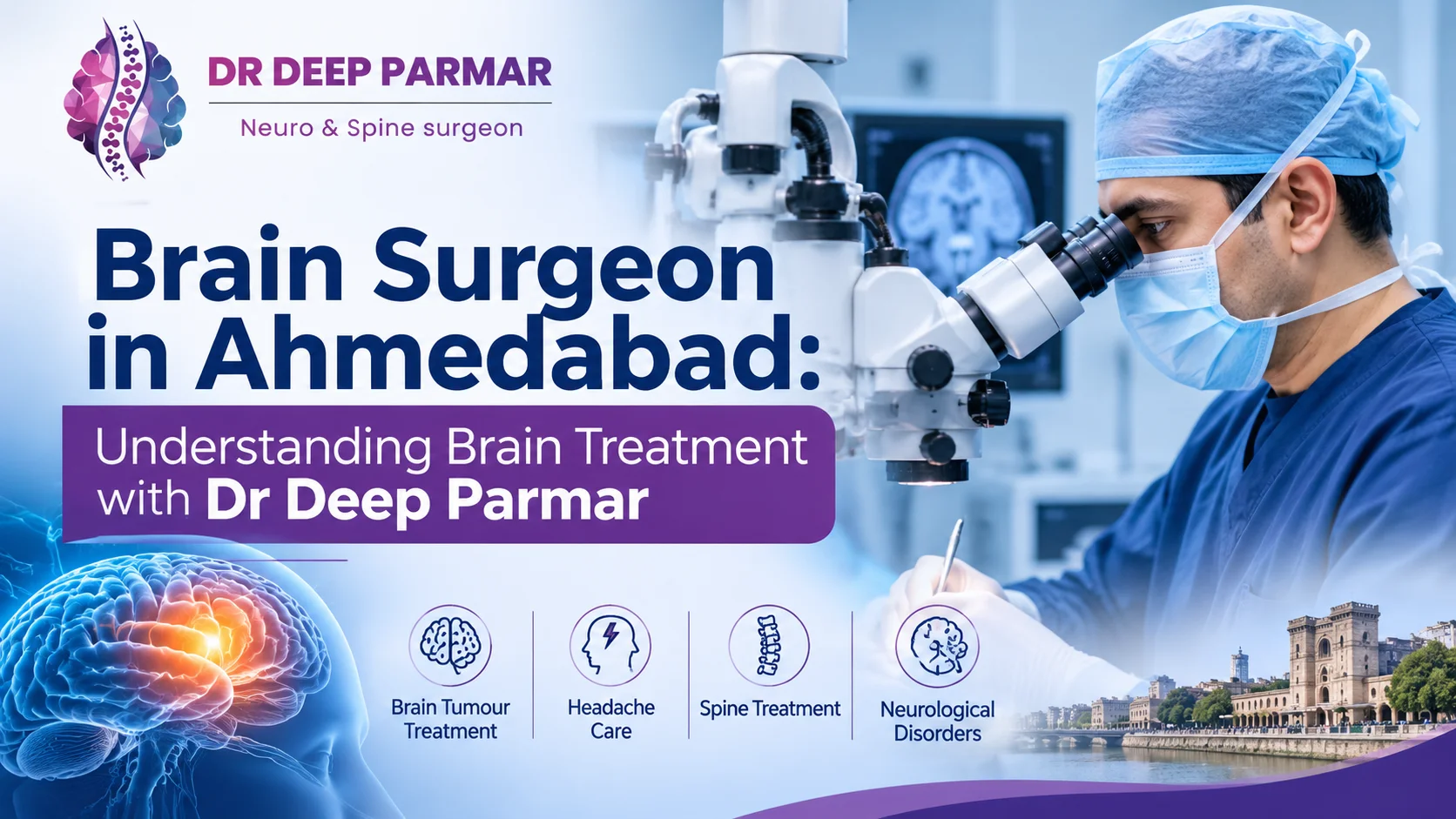
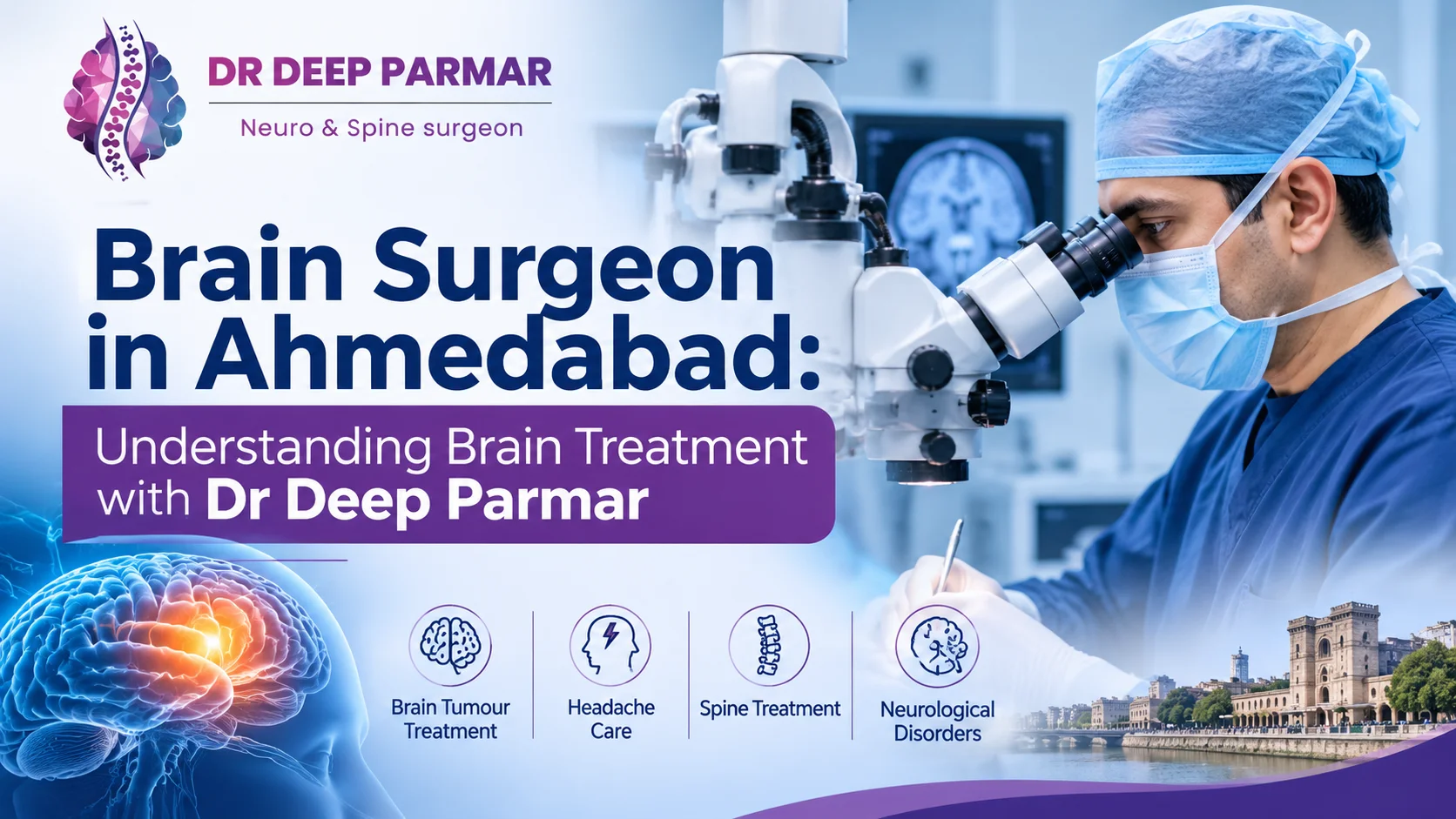
Health problems related to the brain can affect everyday life in many ways. Recurring headaches, seizures, dizziness, vision problems and unexplained weakness are some symptoms that should not be ignored. Sometimes these issues may be temporary, but in other cases, they could indicate an underlying neurological condition that needs medical attention.
When such symptoms persist or become worse, consulting a Brain Surgeon in Ahmedabad can help patients understand the cause of their problem and explore suitable treatment options. Early diagnosis is important because different brain conditions require different approaches to treatment.
Dr Deep Parmar is a neurosurgeon in Ahmedabad who provides consultation and treatment guidance for various brain and spine-related conditions.
When Should You Consult a Neurosurgeon?
Many people believe that a brain surgeon is required only when surgery is necessary. However, this is not always the case. A neurosurgeon also evaluates neurological conditions, reviews medical reports and helps patients understand whether surgical or non-surgical treatment is appropriate.
Some symptoms that may require a neurosurgical consultation include:
- Recurrent or worsening headaches
- Seizures or unexplained loss of consciousness
- Vomiting associated with headaches
- Weakness or numbness in the arms or legs
- Difficulty maintaining balance
- Changes in memory, speech or vision
- Facial pain or repeated facial twitching
These symptoms do not always indicate a serious brain disorder. However, proper medical evaluation can help identify the underlying cause. Sudden severe headaches, facial drooping, sudden weakness or difficulty speaking require immediate emergency medical attention.
Common Conditions Treated by a Brain Surgeon
A brain surgeon, medically known as a neurosurgeon, specialises in diagnosing and treating conditions affecting the brain, spine and nervous system. Some conditions require regular monitoring, while others may need specialised treatment or surgery.
1. Brain Tumours
Brain tumours can be benign or malignant. Their symptoms depend on their size, location and growth. Patients may experience headaches, seizures, vision problems or weakness. Treatment may involve regular monitoring, medication for symptoms, surgery or radiation therapy, depending on the diagnosis.
2. Trigeminal Neuralgia
Trigeminal neuralgia is a nerve condition that causes sudden and severe facial pain. Patients often describe it as an electric shock or sharp stabbing sensation. Medication is generally considered the first treatment option, but surgery may be discussed when the pain does not respond adequately to medicines.
3. Hemifacial Spasm
Hemifacial spasm causes involuntary twitching or contractions of facial muscles, usually beginning around one eye. In some cases, a blood vessel may put pressure on the facial nerve. Treatment depends on the severity of symptoms and the underlying cause.
4. Brain Haemorrhage
Dr Deep Parmar Bleeding in or around the brain can occur due to head injuries, ruptured blood vessels or certain medical conditions. Depending on its severity and location, the patient may require emergency medical evaluation and neurosurgical treatment.
5. Spine and Nerve Compression
Neurosurgeons also evaluate spine-related conditions such as slipped discs and nerve compression. These problems can cause back pain, tingling, numbness and weakness in the arms or legs. Treatment may include medication, physiotherapy or surgery when clinically necessary.
When Is Brain Surgery Required?
One of the biggest concerns for patients and their families is whether every diagnosed brain condition requires surgery.
The answer is no.
A neurosurgeon first evaluates the patient's symptoms, medical history and diagnostic reports. Depending on the suspected condition, investigations such as MRI scans, CT scans and other neurological tests may be recommended.
The treatment decision depends on several factors, including the severity of the condition, its location, the patient's overall health and the potential benefits and risks of surgery.
In some cases, medication and regular monitoring may be sufficient. In others, surgery may be recommended to remove a tumour, relieve pressure or address a problem affecting the nervous system.
Understanding the available treatment options before making a decision is always important.
What Should You Consider When Choosing a Brain Surgeon in Ahmedabad?
Choosing a neurosurgeon requires more than simply searching online for a specialist. Patients should consider the doctor's relevant qualifications, experience in treating their particular condition and access to appropriate medical facilities.
It is equally important that the doctor explains the diagnosis, available treatment options, possible surgical risks and expected recovery process in language that patients can understand.
If surgery has already been recommended, seeking a second opinion can also help patients better understand their condition and make an informed decision about treatment.
Consult Dr Deep Parmar for Brain and Spine Conditions
Finding the right medical guidance is an important step when dealing with brain or spine-related health concerns.
Dr Deep Parmar is a Neurosurgeon in Ahmedabad who provides consultation and treatment guidance for various neurosurgical conditions, including brain tumours, trigeminal neuralgia, hemifacial spasm and spine disorders.
Patients experiencing persistent neurological symptoms or those who have been advised to undergo brain or spine surgery can seek a professional evaluation to understand their condition and available treatment options.
Every patient's condition is different. A proper diagnosis, careful evaluation and an appropriate treatment plan are important parts of neurosurgical care.
Frequently Asked Questions
1. Who is a brain surgeon?
A brain surgeon, also known as a neurosurgeon, is a medical specialist who diagnoses and treats conditions affecting the brain, spine and nervous system.
2. When should I consult a brain surgeon?
You should consider consulting a neurosurgeon for persistent headaches, seizures, unexplained weakness, suspected brain tumours or other neurological symptoms requiring specialised evaluation.
3. Does every brain tumour require surgery?
No. Treatment depends on the tumour's type, size, location and growth. Some cases require monitoring or other treatments rather than surgery.
4. Can a brain surgeon treat spine problems?
Yes. Neurosurgeons also evaluate and treat several spine conditions, including slipped discs, nerve compression and other spinal disorders.
5. Where can I consult a brain surgeon in Ahmedabad?
Patients looking for neurosurgical consultation in Ahmedabad can consider consulting Dr Deep Parmar for evaluation and treatment guidance for brain and spine-related conditions.