Sign up with Google
 Sign in with Zoho

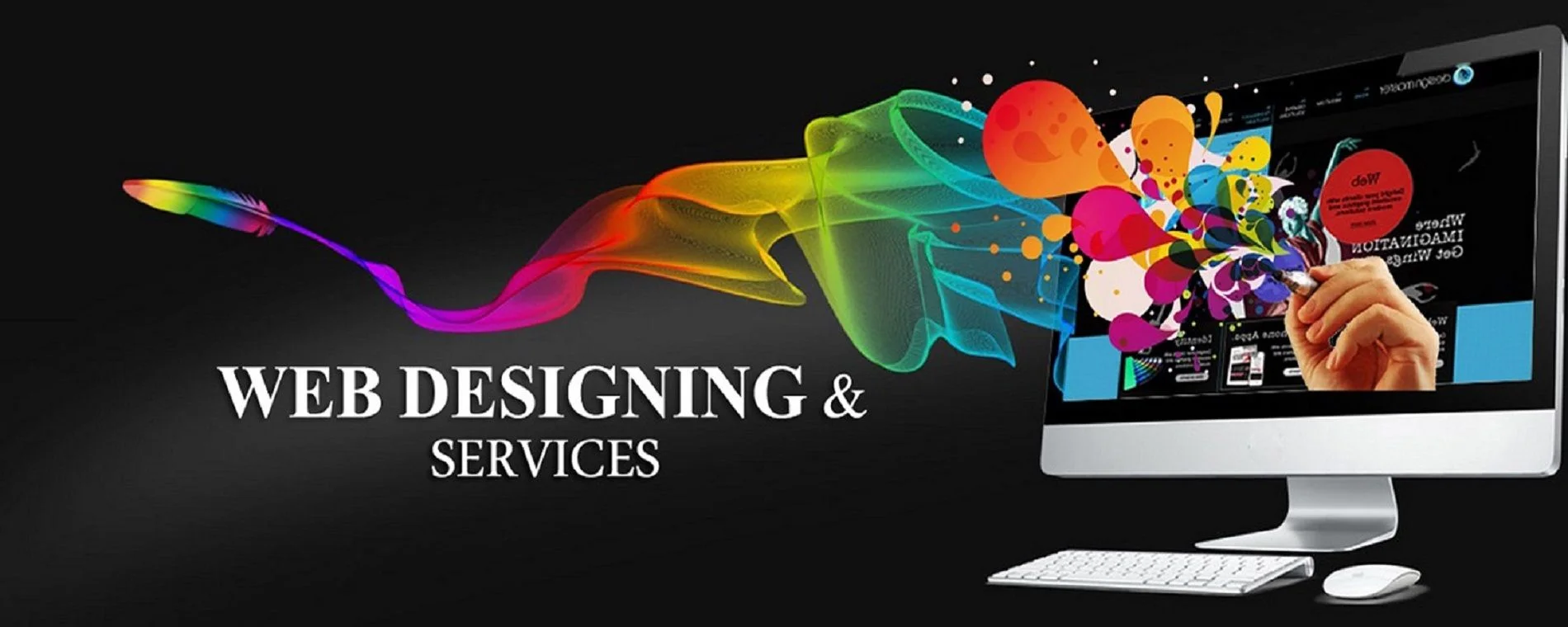
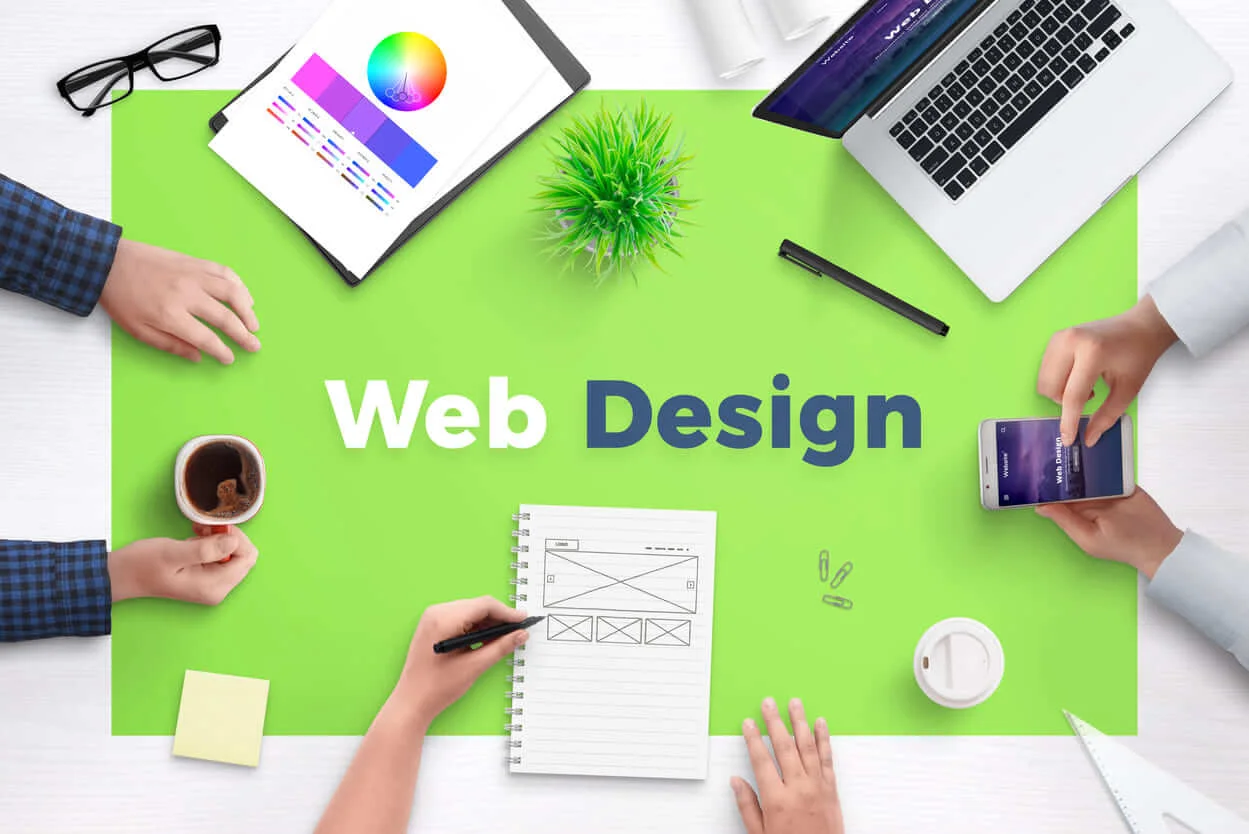
Choosing the right website design services in Pakistan can have a direct impact on how customers perceive your business, trust your brand, and decide whether to contact or buy from you. A website is no longer just an online brochure. It is a digital sales environment where design, speed, content, usability, and conversion strategy work together.
For businesses targeting customers in Pakistan or international markets, the best website design partner should understand more than colours and layouts. They should understand business goals, customer journeys, mobile behaviour, search visibility, and lead generation.
This guide explains how to choose a professional website design company using practical evaluation criteria, real-world project principles, and a conversion-focused strategy.
What Should Businesses Look for in Website Design Services?
The first mistake many businesses make is choosing a web design provider based only on price or visual appearance.
A modern business website should answer four questions immediately:
- What does this business offer?
- Who is the service or product for?
- Why should customers trust this company?
- What should visitors do next?
Professional web design should therefore combine:
- Clear brand messaging
- Mobile-friendly design
- Fast-loading pages
- Easy navigation
- Strong calls to action
- Trust signals
- Lead-generation forms
- Search-friendly structure
Google also emphasizes helpful, reliable, people-first content and a good overall page experience rather than content created primarily to manipulate rankings.
How to Evaluate a Website Design Company in Pakistan
1. Review Their Portfolio for Business Results
A visually attractive portfolio is useful, but businesses should look deeper.
Ask questions such as:
- Does the website clearly explain the client's offer?
- Is the design easy to navigate?
- Does it work effectively on mobile?
- Are calls to action visible?
- Does the site build trust?
- Is there evidence of improved enquiries or conversions?
A professional agency should be able to explain the business reasoning behind design decisions, not simply say that a website “looks modern.”
Real-World Project Principle
Consider a service-based company with an old website. Visitors may arrive but leave because:
- Services are poorly explained.
- Contact information is difficult to find.
- Mobile pages are slow.
- There is no clear next step.
A redesign focused on customer questions, simplified navigation, stronger proof, and visible enquiry options can create a better path from visitor to lead.
For example, a recently published Pakistan-focused web design service page highlights clear offers, mobile usability, trust signals, and reliable lead capture as central business requirements.
Why Mobile-First Website Design Matters
2. Start With the Mobile Customer Journey
Many businesses still evaluate their websites primarily on desktop computers. However, customers frequently research products and services using smartphones.
A strong mobile-first design should provide:
- Readable text
- Easy navigation
- Clickable contact options
- Simple forms
- Fast-loading pages
- Clear buttons
- Accessible service information
The best approach is not simply shrinking a desktop website. The mobile experience should be intentionally designed around how people actually browse and make decisions.
Actionable Tip
Open a potential agency's portfolio on your phone and ask yourself:
Could I understand the business and contact them within 30 seconds?
If the answer is no, the website may need stronger user-experience planning.
What Makes a Conversion-Focused Website Different?
3. Design Around Business Goals, Not Just Appearance
A conversion-focused website guides visitors toward meaningful actions, and professional website design services in Pakistan help businesses create user-friendly websites that encourage visitors to take the next step. Depending on the business, those actions could include:
Depending on the business, those actions could include:
- Requesting a quote
- Booking a consultation
- Making a purchase
- Calling the company
- Sending a WhatsApp message
- Completing a contact form
The Conversion Path
A well-designed business website often follows this structure:
Visitor Problem → Clear Solution → Proof → Benefits → Call to Action
For example, instead of placing a generic button that says “Click Here,” a stronger website may use:
“Get a Free Website Consultation”
The second option tells visitors exactly what they will receive.
Case Study Approach: How Better Design Can Support Growth
Case Study 1: Service Business Website Transformation
Imagine a growing professional services company receiving website traffic but generating limited enquiries.
A strategic redesign could include:
Before
- Long paragraphs
- Unclear service pages
- Hidden contact options
- No customer testimonials
- Weak mobile experience
After
- Dedicated service pages
- Clear benefit-driven headlines
- Client success stories
- Mobile contact buttons
- Shorter enquiry forms
- Strong calls to action
The lesson is important: a website does not need more visual elements—it needs less friction between customer interest and customer action.
Case Study 2: E-Commerce Experience Improvement
For an online store, a professional design strategy may focus on:
- Faster product discovery
- Clear product descriptions
- Trust-building information
- Easy checkout navigation
- Mobile shopping experience
Even small improvements in navigation and product-page clarity can improve how confidently customers move through the buying journey.
Social Proof: An Essential Part of Professional Website Design
4. Make Trust Visible
Customers often research a business before contacting it. A strong website should make credibility easy to find.
Effective social proof can include:
- Client testimonials
- Verified reviews
- Case studies
- Project portfolios
- Industry experience
- Certifications
- Awards
- Partner logos
However, social proof should be genuine and verifiable. Avoid invented testimonials or exaggerated performance claims.
Google's guidance also emphasizes trust, clear information about who created content, evidence of expertise, and reliable information.
Questions to Ask Before Hiring a Website Design Company
5. Ask About Their Process
A professional company should have a clear workflow.
Ask:
- How do you understand our target audience?
- Do you create a sitemap before designing?
- Will the website be mobile-first?
- How will you improve conversion opportunities?
- Will the website be SEO-friendly?
- Who owns the website after completion?
- What support is available after launch?
A reliable process may include:
Discovery
Understanding your business, audience, competitors, and objectives.
Strategy
Creating website structure and conversion paths.
Design
Developing layouts aligned with brand identity and user experience.
Development
Building responsive, functional, and optimized pages.
Testing
Checking speed, mobile usability, forms, and navigation.
Launch and Support
Publishing the website and monitoring its performance.
Policies, Transparency, and Website Guarantees
A trustworthy web design company should clearly explain:
- Project scope
- Number of revisions
- Delivery timeline
- Payment structure
- Website ownership
- Third-party costs
- Maintenance policies
What Should a Company Guarantee?
A professional provider can guarantee clearly defined deliverables, agreed project scope, and quality-assurance processes.
However, businesses should be cautious of unrealistic promises such as:
- Guaranteed #1 Google rankings
- Guaranteed overnight sales
- Guaranteed specific revenue figures
Website performance depends on many factors, including market demand, pricing, competition, advertising, content, and customer experience.
Transparency is more valuable than unrealistic guarantees.
A Practical Checklist for Choosing Website Design Services in Pakistan
Before making a decision, evaluate the provider based on:
Expertise
Do they understand design, development, SEO, and conversions?
Portfolio
Are their projects functional as well as visually appealing?
Communication
Do they clearly explain timelines and deliverables?
Strategy
Do they ask questions about your customers and business goals?
Support
Will you receive help after the website launches?
Transparency
Are policies, pricing, ownership, and revision processes clear?
How to Improve Google Discovery After Publishing the Article
Google does not guarantee instant indexing or rankings. Crawling can take time, and requesting a recrawl does not guarantee immediate inclusion in search results.
To improve discovery:
- Publish the article on a publicly accessible, indexable page.
- Add relevant internal links from existing pages.
- Include the URL in your XML sitemap.
- Use the Google Search Console URL Inspection tool to request recrawling.
- Ensure Googlebot is not blocked and the page returns a successful HTTP response.
- Create helpful, original content rather than publishing content solely for rankings.
Google specifically recommends crawlable internal links and notes that important pages should be linked from elsewhere on the site.
Final Thoughts
The best website design services in Pakistan do more than create attractive pages. They help businesses communicate clearly, build trust, reduce friction, and create better opportunities for enquiries and sales.
A professional website should connect brand strategy, user experience, mobile performance, social proof, and conversion-focused design into one system.
The right web design partner will therefore ask an important question before discussing colours or templates:
“What business result should this website help you achieve?”
When that question drives the design process, a website becomes more than an online presence—it becomes a valuable business growth asset.