Sign up with Google
 Sign in with Zoho

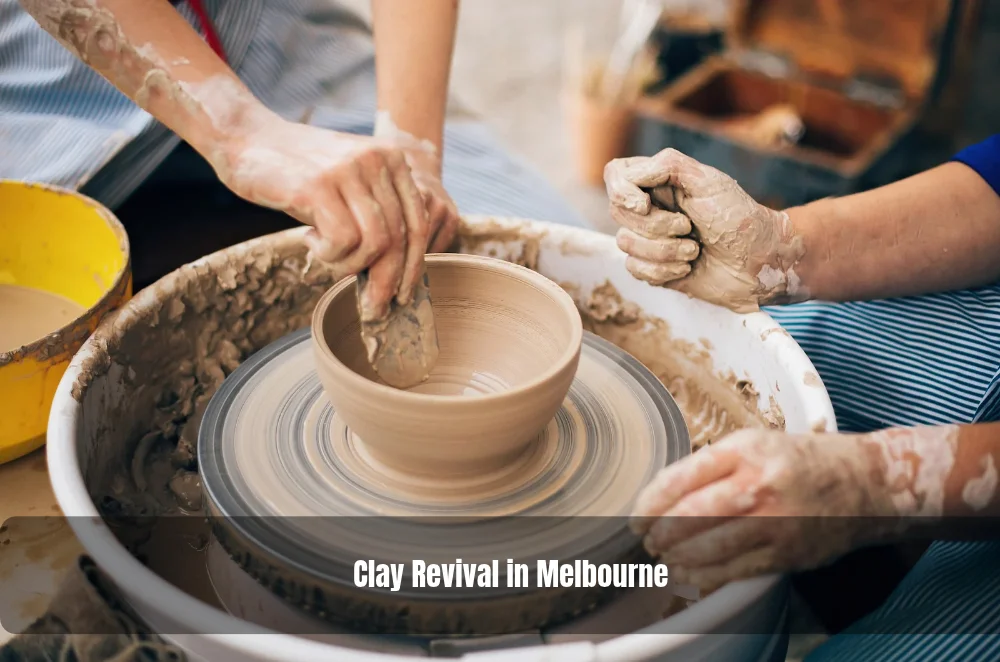
A finished stoneware mug feels different from anything mass-produced. It carries the memory of cold clay, steady hands and a moment when a lump of earth spun into shape. That quiet story is driving an unprecedented surge in pottery workshops across Melbourne.
Inner-north warehouses, suburban community centres and even pop-up wheel sessions at weekend markets now book out weeks ahead. Locals burnt out by screen time and keen to reclaim tactile creativity see clay as an accessible entry point. Unlike some art forms, pottery offers a clear, rewarding path from absolute beginner to functional object in a matter of weeks.
Why Hands-On Matters Now
Back-to-back video meetings and late-night doom-scrolling leave little room for texture, weight and the slow rhythm of making. Clay answers that craving for physical engagement. Psychologists who study hobby-based mindfulness link craft activities to lower stress hormones and sharper focus. A fresh dataset from Creative Victoria shows an 18 per cent year-on-year rise in grant applications for community ceramics programs—evidence that demand is both cultural and institutional.
Add two more post-pandemic shifts:
- Hybrid work schedules free up weekday evenings, filling mid-week courses that once struggled for numbers.
- Process-driven social media—those mesmerising wheel videos—has normalised pottery as a hobby for all ages rather than an elite fine-arts niche.
The result? A city-wide embrace of clay that blends wellness, sustainability and small-batch design.
Wheel vs Hand-Building at a Glance
• Wheel throwing– First skills: centring, pulling walls, trimming bases– Learning curve: steeper; coordination takes patience– Best for: those who enjoy rhythmic, repeatable motion and love the symmetry of cups or bowls
• Hand-building– First skills: pinch pots, coils, slab construction– Learning curve: gentler; more sculptural freedom– Best for: makers drawn to organic forms, texture work or sculptural pieces
Most Melbourne studios offer a blended beginner block so newcomers can test both approaches before specialising.
Choosing a Studio That Feels Right
With choice exploding, a quick Instagram browse rarely tells the whole story. Visiting in person reveals whether a studio’s teaching style aligns with your goals. Keep an eye—and nose—out for these cues:
- Clay aroma over solvent smell: healthy ventilation and limited chemical fumes.
- Diverse student work on display: shows tutors adjust guidance to each learner instead of churning out identical pieces.
- Clear safety signage around kiln zones and glaze materials.
- Accessible benches and wheels for various heights and abilities.
Pricing structures vary. Some packages bundle all firing and glazing; others charge per kilo. Transparent studios spell this out up-front.
If you’re weighing options, trusted beginners' pottery guidance clarifies what a structured six-week learning path looks like, including typical tool lists and firing timelines.
Quick Studio Vetting Checklist
- Class size capped at 8–12 for wheel sessions
- Tutors demonstrate, then observe each student—not just lecture from the front
- Open studio hours for extra practice
- Insurance cover and first-aid kit clearly displayed
Ticking those boxes protects wrists, wallets and creative confidence.
Your First Wheel Session: What Really Happens
Arrive in clothes you’re willing to sacrifice—clay finds seams you never knew existed. After a short tour, the tutor wets a fresh lump, thumps it onto the wheel and demonstrates centring. Students then jump straight in; active muscle memory forms faster than passive watching.
Early throws wobble. Walls collapse. Someone inevitably forgets to slow the wheel before removing water, and slurry splashes. Laughter helps, as does speaking motions aloud: “steady left hand, lean forward”. By the end of an hour, most beginners pull a recognisable cylinder. It might not be café-grade perfection, yet the pride is unmistakable.
Progress Markers to Celebrate
- Even wall thickness—no surprise blow-outs in the kiln
- Smooth rims without tiny cracks
- Signature or symbol carved in the base for identification
- Controlled drying on a bat to avoid warping
Recording small wins in a notebook keeps motivation high between sessions.
Safety, Skills and Sustainable Habits
Pottery appears harmless until someone wedges clay with a bent wrist or overloads a kiln. Good studios teach:
- Body mechanics: elbows braced, core engaged, wheel at hip height.
- Clay recycling: reclaim buckets reduce waste and costs.
- Glaze hygiene: wearing masks when mixing powdered glazes prevents silica inhalation.
Skill progression typically unfolds over a six-week block:
- Centring: patience test number one.
- Pulling walls: learning to even out pressure.
- Trimming: removing excess base weight.
- Glazing: understanding interaction between glaze chemistry and different clay bodies.
Most newcomers leave with a mug, bowl and at least one “abstract” piece that teaches humility.
Beyond the Workshop
Melbourne’s creative ecosystem means skills gained in class can grow into side hustles or full-time careers:
- Weekend market stalls selling small-batch cups.
- Cafés commissioning local studios for bespoke tableware.
- Tech-minded potters diving into kiln programming and glaze formulation.
Local councils now back ceramic art exhibitions, and design boutiques regularly feature limited-run collaborations with neighbourhood potters. The craft’s intersection with sustainability—choosing durable, repairable homewares over disposable décor—keeps public interest strong.
Shaping Something That Lasts
Every fired mug, even the wonky ones, marks a personal journey from raw clay to enduring object. That tactile narrative explains why Melbourne’s pottery boom continues carving its groove in the city’s cultural bedrock. If you’ve been meaning to replace scroll time with something more grounding, now is a perfect moment to spin the wheel and watch earth transform under your hands.