Sign up with Google
 Sign in with Zoho
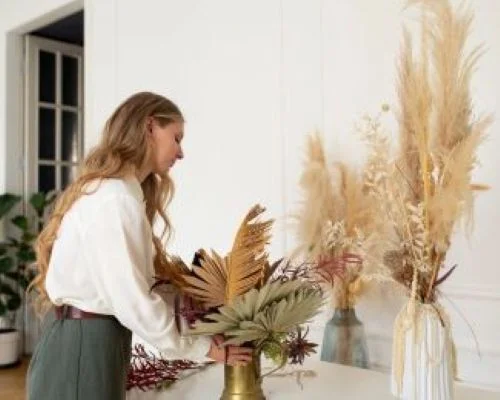
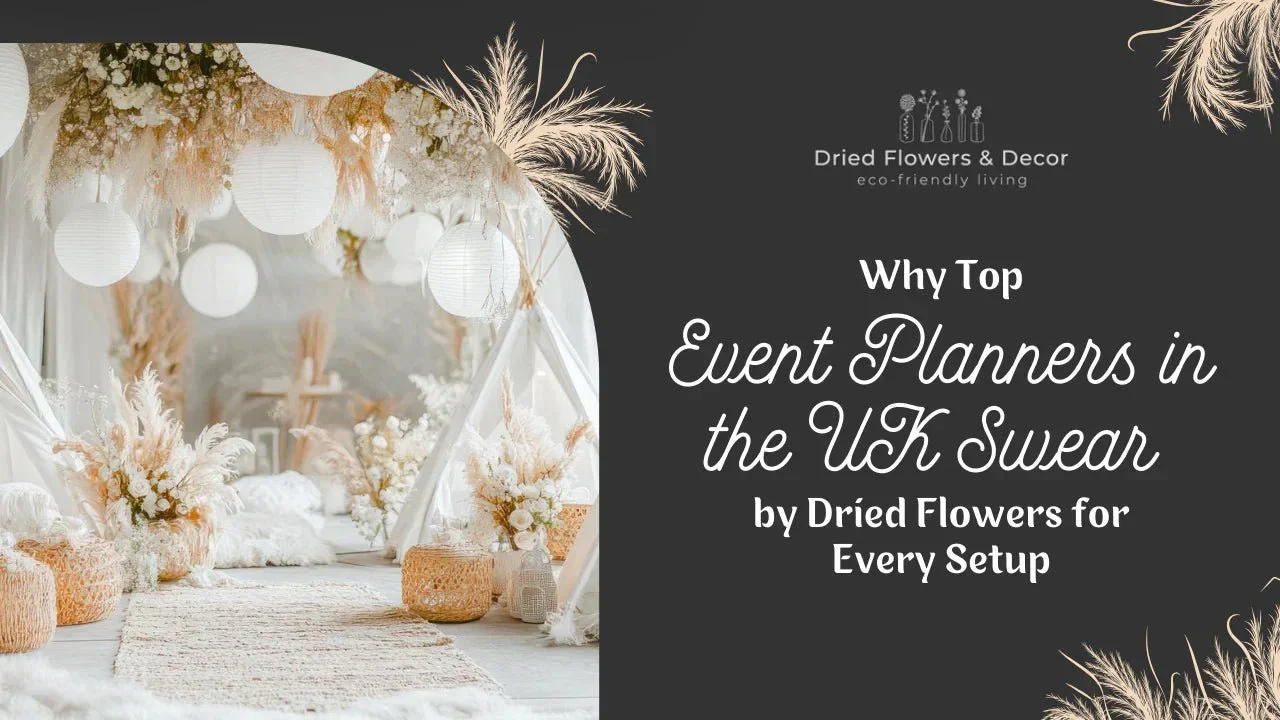
Event flowers need to look consistent from setup through to the final photographs. They may also need to travel between venues, remain in place for several days or be prepared well before guests arrive.
These practical demands explain why many stylists now use dried flowers for events at weddings, corporate functions, product launches, private parties and seasonal installations.
Unlike fresh flowers, dried stems do not need water, refrigeration or preparation on the morning of an event. Planners can assemble arrangements in advance, check how the colours work inside the venue and make changes without working against a short freshness window.
Why Use Dried Flowers for Event Décor?
Prepare Arrangements in Advance
Dried arrangements can be built days or weeks before an event. This gives planners time to test table layouts, photograph sample designs and confirm that the finished pieces match the client’s colour palette.
Early preparation is particularly useful for weddings with several arrangements, multi-room venues and installations that require careful assembly.
Maintain a Consistent Look
Fresh flowers can open, wilt or change shape during the day. Dried and preserved stems retain their general form when they are stored and handled correctly.
This helps maintain a consistent look across entrance displays, ceremony arrangements, table centrepieces and reception décor.
Reuse or Repurpose the Flowers
After an event, arrangements can be moved to a reception area, retail display, hotel room or private home. Individual stems can also be separated and used in smaller arrangements.
Reuse depends on the condition of the flowers. Dried stems are still delicate, so they must be transported carefully and stored somewhere dry.
Create Designs Outside the Growing Season
Dried materials allow planners to work with colours and textures that may not be readily available as fresh flowers during a particular month. Natural stems can be combined with preserved and coloured foliage to suit autumn, winter, spring or summer briefs.
Current Dried Flowers for Event Styling
The right products depend on the venue, arrangement size and overall design.
Pampas Grass for Large Installations
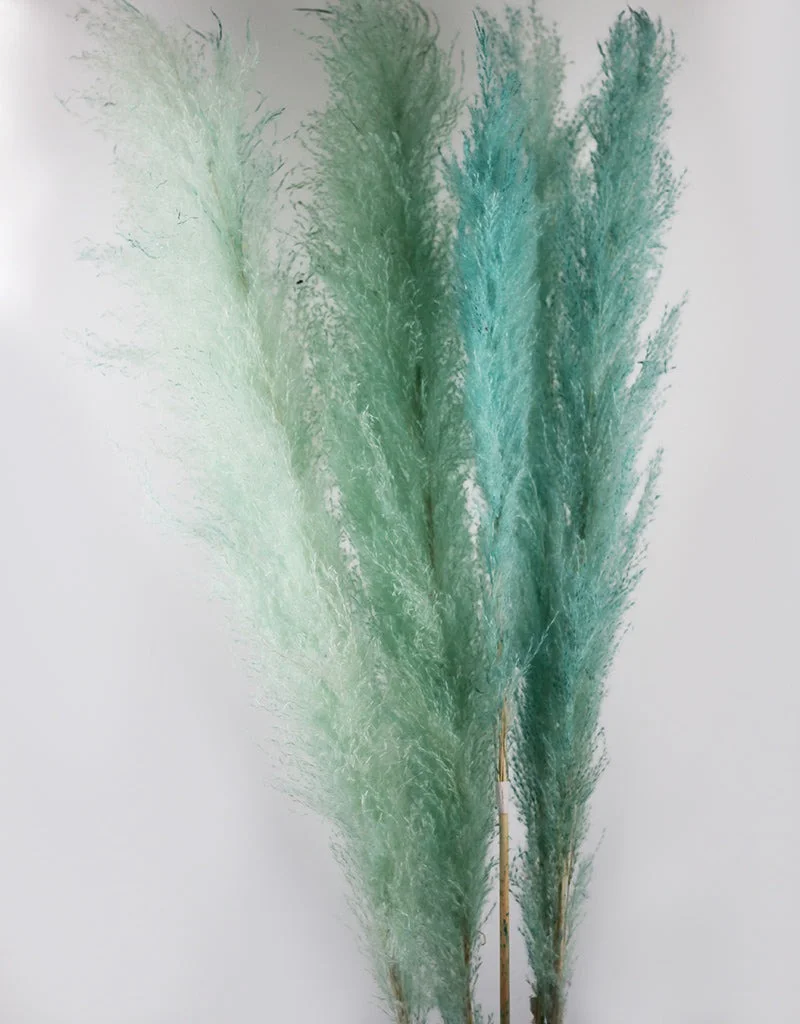
Pampas grass adds height and movement to ceremony arches, stage displays, entrance arrangements and photography backdrops. Tall bleached pampas works well with neutral wedding palettes, while natural shades suit rustic and bohemian designs.
Pampas is light, but large installations still need a stable frame or weighted container.
Preserved Eucalyptus and Ruscus for Structure
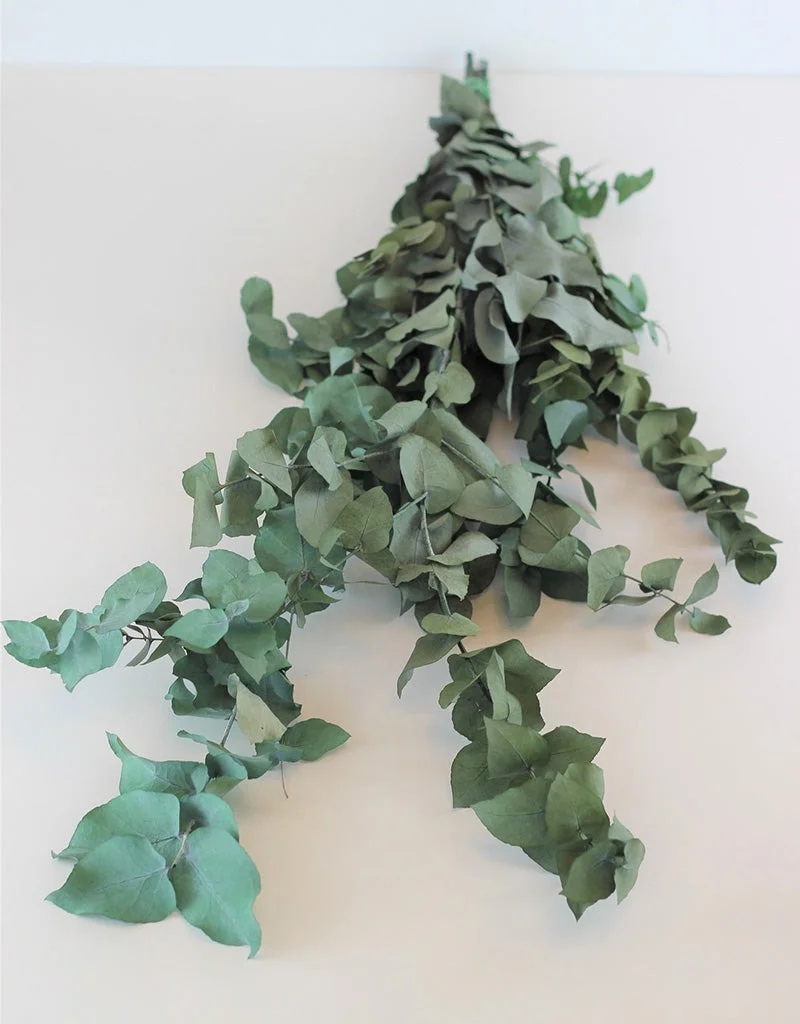
Preserved eucalyptus is useful for table arrangements, welcome displays and larger floral installations. Current options include green-grey Cinerea, green Populus and seasonal coloured varieties.
Ruscus provides a cleaner, more structured shape. It can be used around signs, along tables or as a supporting layer behind focal flowers. Preserved flowers for weddings can also help connect bridal flowers with the wider venue décor.
Gypsophila for Light, Detailed Arrangements
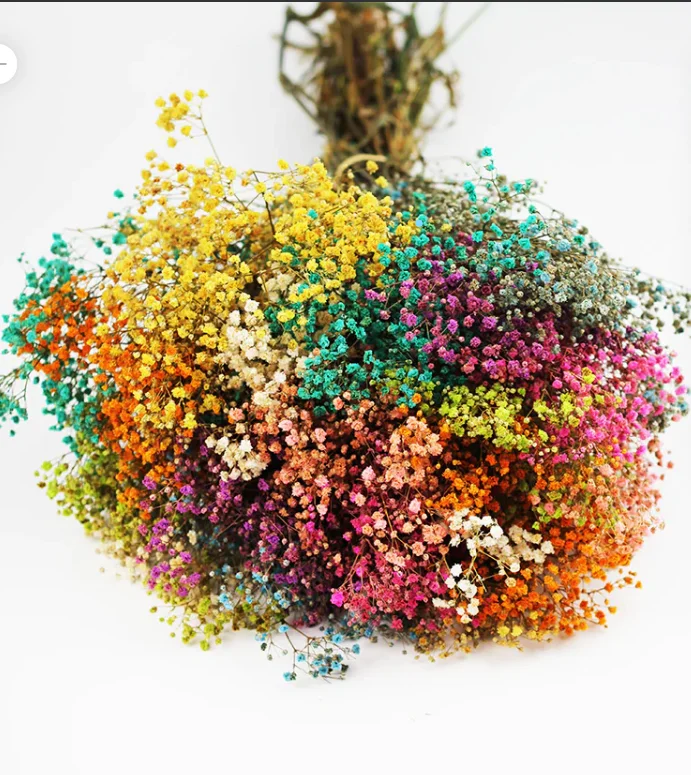
Natural and coloured dried gypsophila can be used in bridal bouquets, bud vases, chair decorations and table centrepieces. Its small flower heads soften arrangements without adding excessive weight.
For larger events, choose one main colour and repeat it across several areas. This creates a coordinated look without making every arrangement identical.
Amaranthus for Movement
Preserved amaranthus has a trailing shape that suits raised centrepieces, mantel displays and modern installations. It is available in colours including bleached, aqua blue, salmon and pink, giving planners options beyond a traditional neutral palette.
Palm Spears and Strelitzia for Strong Shapes
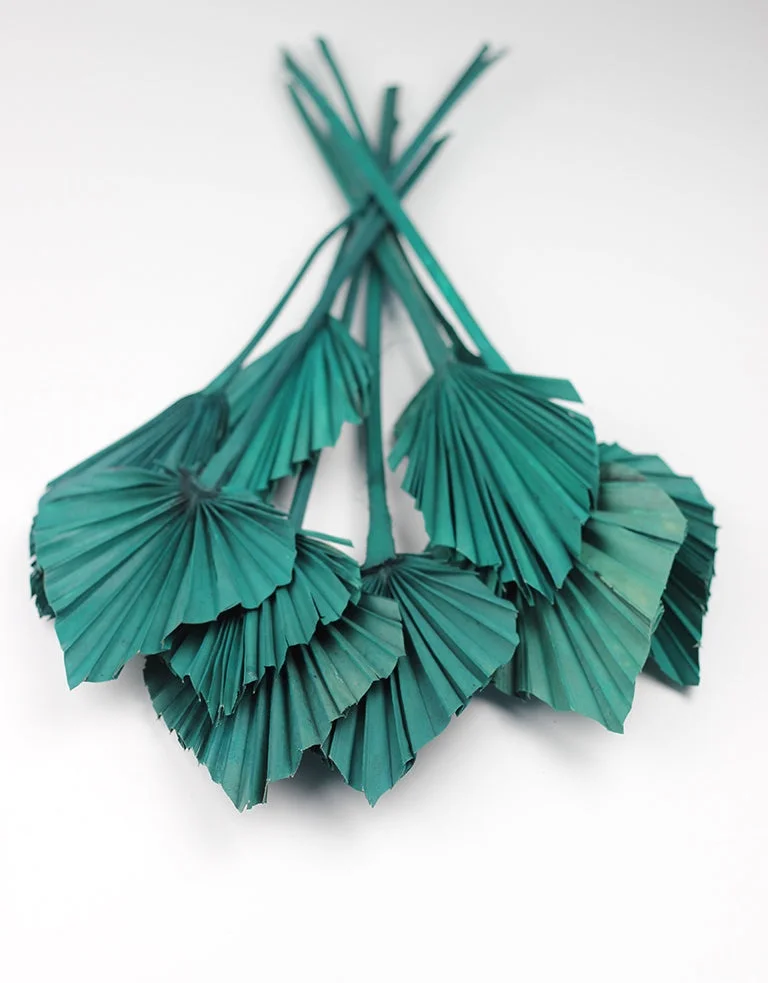
Dried palm spears bring a clear architectural shape to displays. They work well in modern weddings, brand launches and editorial shoots.
Strelitzia leaves, protea and poppy heads can also be used as focal materials when an arrangement needs stronger lines or a more sculptural finish.
Seasonal Materials
Preserved oak leaves, coloured eucalyptus and dried Chinese lanterns suit autumn events. Bleached ruscus, white gypsophila and pale pampas can create a softer winter palette.
Rather than following a trend exactly, select two or three materials that support the venue, lighting and event colours.
How to Plan Dried Event Flowers
Start by listing every area that needs flowers:
- Entrance or welcome display
- Ceremony backdrop
- Aisle or chair decorations
- Dining tables
- Bar and reception desks
- Stage or presentation area
- Photography backdrop
- Bridal and bridesmaid bouquets
Give priority to areas that guests will see or photograph most. A strong entrance arrangement and well-planned table flowers will often have more impact than placing small decorations throughout the entire venue.
Before ordering in bulk, test a smaller arrangement. Check stem height, bunch size and colour under the venue’s lighting. Order enough additional material to replace stems that may be damaged during transport or installation.
Caring for Dried Flowers Before an Event
Keep the flowers indoors in a dry room until they are needed. Do not place the stems in water.
Store arrangements away from direct sunlight, radiators and damp areas. Transport them in boxes or containers that stop the stems from moving. For outdoor events, position dried flowers under cover and secure tall arrangements against wind.
Keep dried materials away from candles and other open flames. Battery-operated candles are a safer option for tables containing dried stems.
Ordering Event Flowers from Dried Flowers & Decor
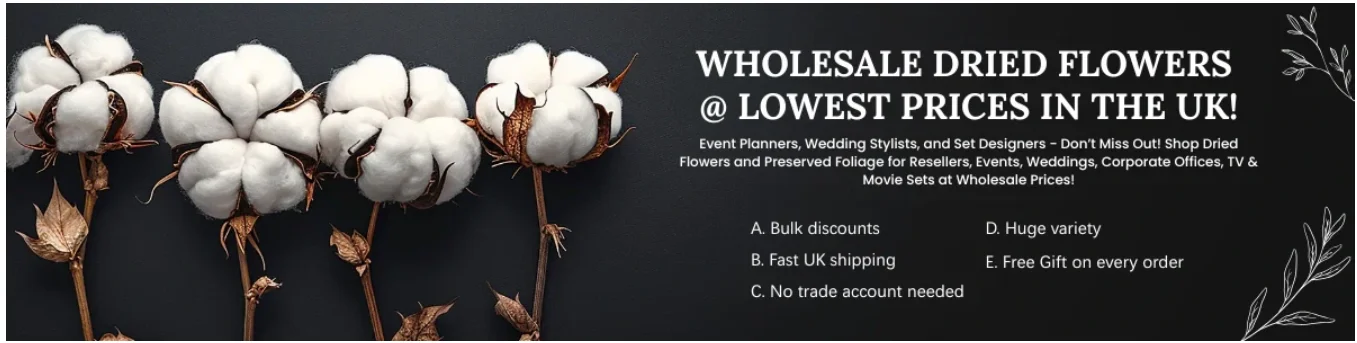
Dried Flowers & Decor supplies individual bunches and larger quantities for weddings, corporate events, hospitality venues, photoshoots and seasonal displays across the UK.
Customers do not need a trade account or minimum order. This allows planners to test a few products before placing a larger order. Volume discounts of up to 35% are available, and orders over £150 excluding VAT qualify for free UK shipping.
Order early when an event requires large quantities, matching batches or a precise colour palette. This leaves enough time to inspect the products, build sample arrangements and complete the installation without last-minute pressure.
Explore the current event collection and choose stems that match your venue, colour palette and arrangement sizes.