
 Sign up with Google
 Sign in with Zoho

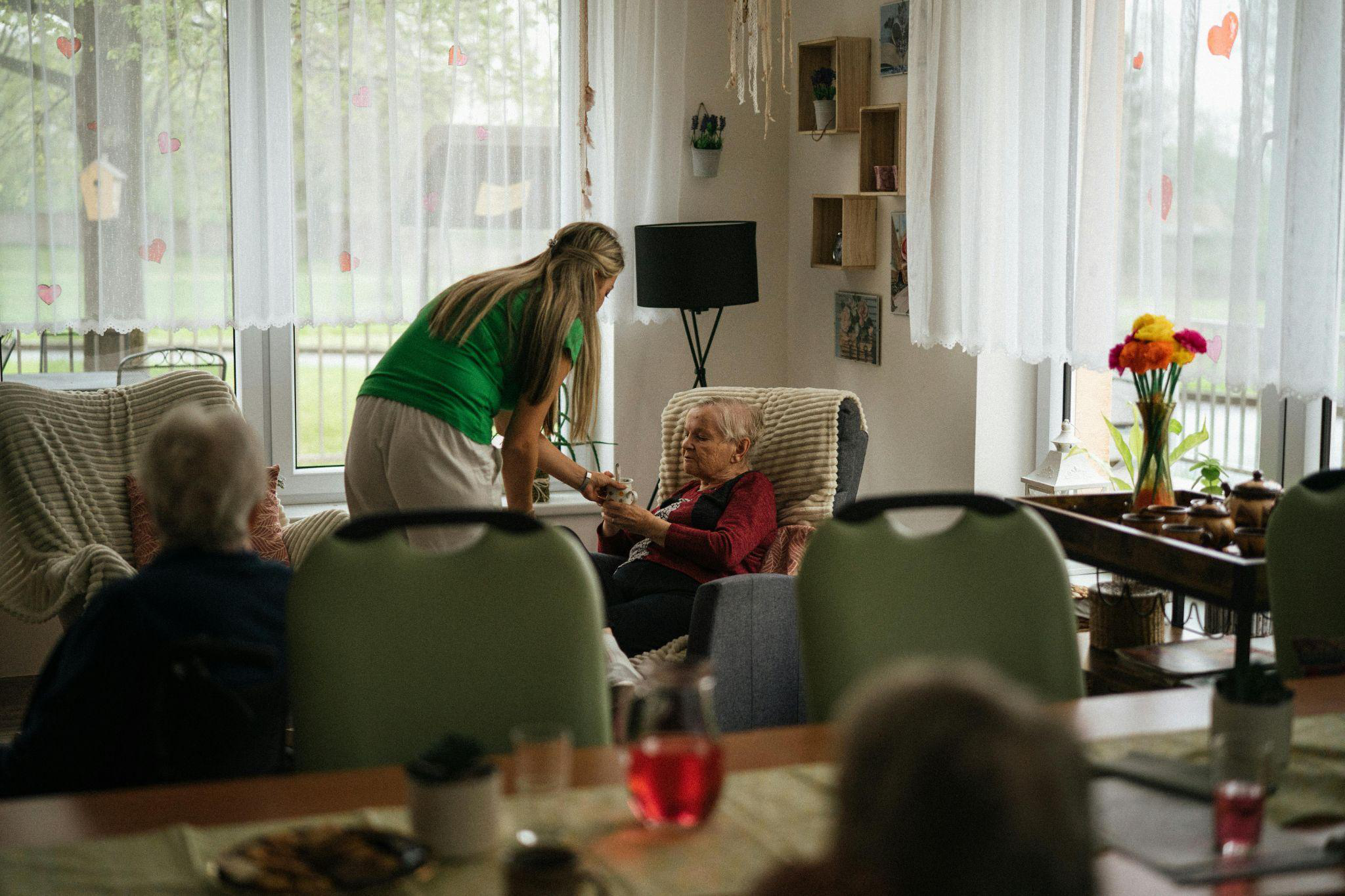
The decision to move from occasional support to full-time care is rarely simple. It sits at the intersection of finances, family dynamics, and a deeply personal question: how should someone live as they age or manage a chronic condition?
For many families, 24-hour home care becomes a serious consideration when safety, independence, and quality of life are on the line. But is it worth the cost?
This guide breaks down both sides, what you pay and what you gain, so you can make a decision grounded in facts, not just emotion.
What Is 24-Hour Home Care?
24-hour home care typically involves rotating caregivers who provide continuous support throughout the day and night. Unlike live-in care (where a caregiver sleeps during designated hours), 24-hour care ensures someone is always awake and available.
Services often include:
● Personal care (bathing, dressing, mobility)
● Medication reminders
● Meal preparation
● Companionship
● Specialized care for conditions like dementia
This level of care is increasingly common as families prioritize aging in place over institutional care.

The Financial Reality: What Does It Cost?
Let’s address the biggest concern first: cost.
According to reports, the median cost for 24-hour home care can exceed thousands per month, depending on location and care needs.
This means families considering home care must carefully weigh long-term affordability.
Quality of Life: The Hidden Value
While the financial side is measurable, quality of life is harder to quantify, but often more important.
1. Aging in Place Improves Emotional Well-Being
Research shows that 77% of adults over 50 prefer to remain in their homes as they age.
Familiar surroundings provide comfort, reduce stress, and maintain a sense of identity, something institutions often struggle to replicate.
This is a major reason families choose home care instead of relocation.
2. Better Outcomes for Chronic Conditions
Home-based care can reduce hospital readmissions and improve health outcomes for older adults with chronic illnesses.
For individuals needing specialized in-home care, consistent monitoring and personalized attention can make a measurable difference.
3. Personalized, One-on-One Attention
In a facility, staff-to-resident ratios can limit individualized care. With 24-hour home care, support is tailored entirely to one person.
This is especially critical for:
● Dementia patients
● Individuals with mobility challenges
● Post-surgery recovery
Services like dementia and memory care offer specialized attention that institutions may not consistently provide.
4. Safety and Fall Prevention
Falls are a leading cause of injury among older adults. The CDC reports that 1 in 4 seniors falls each year in the U.S. Having continuous supervision can significantly reduce these risks.
5. Family Peace of Mind
Caregiving can take a toll on family members. Most family caregivers tend to experience high emotional stress.
Professional care helps families shift from overwhelmed caregivers back to supportive loved ones.
When Is 24-Hour Home Care Worth It?
24-hour care becomes particularly valuable in these situations:
● Advanced Dementia or Alzheimer’s
Conditions requiring constant supervision benefit from services like in-home memory care.
● Frequent Nighttime Needs
If a loved one wakes often or is at risk of wandering, 24-hour home care ensures safety.
● Post-Hospital Recovery
After surgery or illness, continuous monitoring can prevent complications.
● End-of-Life Care
Many families prefer the comfort of home during hospice or palliative care.

The Role of Long-Term Planning
One of the biggest mistakes families make is waiting too long to plan.
Early long-term care planning allows families to:
● Secure insurance
● Explore financial assistance
● Avoid crisis-driven decisions
Working with a licensed home care agency can also help navigate options and create a sustainable care plan.
The Emotional Equation: More Than Money
It’s easy to focus on the price tag, but many families ultimately decide based on something less tangible: dignity.
Being able to wake up in your own bed, follow familiar routines, and stay connected to your community can’t be easily replaced.
Whether through senior care services or assistance at home, the goal remains the same: supporting independence while ensuring safety.

Compassionate Care, Thoughtfully Delivered at Home
When care needs grow, the right support system can make all the difference, not just in safety, but in preserving dignity and independence. At Live Easy Home Care, the focus is on delivering personalized, dependable support through services like 24-Hour home care in Bergen County, tailored to meet both medical and emotional needs.
Whether families are planning ahead with long-term care planning or seeking trusted, experienced caregivers, Live Easy Home Care’s goal remains consistent: providing comfort, consistency, and peace of mind at home.
From specialized offerings such as dementia and memory care to flexible solutions like affordable home care, every care plan is thoughtfully designed around individual lifestyles and routines.
For those navigating aging, recovery, or long-term conditions, Live Easy Home Care represents more than just assistance; it’s a commitment to helping individuals live safely, confidently, and with dignity in the place they know best.
Ready to explore the right care solution for your loved one? Contact them today.













 🌎🔒#gdupco.webp)