Sign up with Google
 Sign in with Zoho

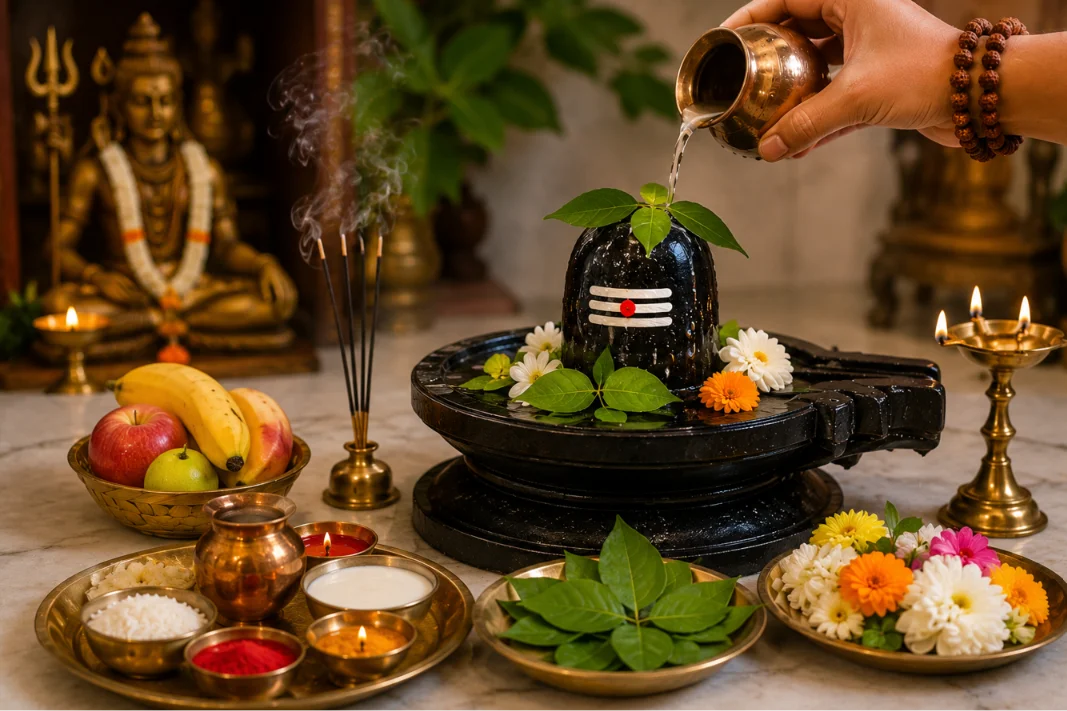
Sawan, also known as Shravan Maas (Shravana month), is one of the most sacred months in the Hindu calendar. This holy period is dedicated for the worship of Lord Shiva, and many devotees observe fasts, perform special pujas, and offer prayers throughout the month. While countless Shiva temples across India witness large gatherings during Sawan, devotees can also worship Lord Shiva at home with their families and experience the spiritual significance of this auspicious time.
Why Is Sawan Important for Lord Shiva Devotees?
In Hindu tradition, Sawan is considered as an auspicious month for the worship of Lord Shiva. Devotees believe that prayers offered with sincerity during this period can bring peace, positivity, and spiritual well-being. Mondays during Sawan, known as Sawan Somwar, hold special significance and are observed by devotees across the country through prayers, fasting, and temple visits.
Those who wish to understand the customs and practices associated with this sacred month can also learn more about how to perform Shiva Puja in Sawan as part of their spiritual journey.
Essential Puja Samagri for Shiva Puja
Before starting the puja, it is important to arrange all the necessary puja samagri. Keeping everything prepared in advance helps maintain concentration and devotion during the rituals.
Common puja samagri includes: Shiva Lingam or Lord Shiva idol, Ganga Jal or clean water, Milk for Abhishek, Bilva (Bel) leaves, White flowers, Sandalwood paste,Akshat (rice grains), Incense sticks and dhoop, Camphor, Diya with oil or ghee, Fruits and sweets for prasad
Steps to Perform Shiva Puja at Home:
Prepare the Worship Area
Begin by cleaning the puja area and taking a bath. Maintaining cleanliness is considered important before performing any religious ritual.
Perform Jalabhishek
Offer water or Ganga Jal to the Shiva Lingam. Many devotees also perform Abhishek with milk while chanting "Om Namah Shivaya."
Offer Bilva Leaves
Bilva leaves are regarded as one of the most sacred offerings to Lord Shiva. Traditionally, devotees offer stems containing three leaves while performing the ritual.
Apply Sandalwood and Offer Flowers
Apply sandalwood paste to the Shiva Lingam and offer fresh white flowers as a symbol of devotion and respect.
Light Incense and Diya
Lighting incense sticks and a diya creates a positive and peaceful atmosphere that supports prayer and meditation.
Chant Shiva Mantras
Reciting sacred mantras such as "Om Namah Shivaya" or reading the Shiva Chalisa is a common practice during Sawan.
Perform Aarti
Conclude the puja by performing Shiva Aarti and distributing prasad among family members.
Significance of Bilva Leaves in Shiva Worship
Bilva leaves hold a special place in Shiva worship. According to Hindu scriptures, offering Bilva leaves with devotion is considered highly auspicious. The three leaves are believed to symbolize purity, wisdom, and spiritual balance.
Common Mistakes to Avoid During Shiva Puja
- Offering dry or damaged Bilva leaves
- Using unclean puja samagri
- Performing rituals without proper focus
- Neglecting cleanliness around the worship area
It is often believed that sincere devotion and simple observances are more meaningful than elaborate rituals.
Conclusion
Performing Shiva Puja at home during Sawan is a wonderful way to strengthen your connection with Lord Shiva and observe the traditions of this sacred month. With the proper puja samagri, a clean worship space, and sincere devotion, devotees can participate in these meaningful rituals. Whether you perform a simple Jalabhishek or observe a complete Sawan Somwar Puja, the true essence of worship lies in faith, devotion, and dedication to Lord Shiva.
FAQs
1. What puja samagri is required for Shiva Puja?
Basic puja samagri includes water, milk, Bilva leaves, flowers, sandalwood paste, incense sticks, diya, fruits, and prasad.
2. Can Shiva Puja be performed at home during Sawan?
Yes, devotees can perform Shiva Puja at home with simple rituals and sincere devotion.
3. Why are Bilva leaves offered to Lord Shiva?
Bilva leaves are considered sacred and are among the most important offerings used in Shiva worship.
4. Which mantra is commonly chanted during Shiva Puja?
"Om Namah Shivaya" is the most widely recited mantra during the worship of Lord Shiva.