Sign up with Google
 Sign in with Zoho


A Customer Experience (CX) Strategy is a comprehensive plan that organizations use to design, manage, and improve every interaction customers have with their brand. It aligns business goals, customer expectations, technology, processes, and employee performance to deliver consistent, personalized, and memorable experiences throughout the customer journey.
In today's highly competitive marketplace, products and pricing alone are no longer enough to create differentiation. Customers expect seamless interactions, quick resolutions, personalized communication, and meaningful engagement. Organizations that invest in a strong CX strategy build stronger customer relationships, increase loyalty, improve retention rates, and achieve sustainable business growth.
A successful CX strategy focuses on understanding customer needs, identifying pain points, and continuously optimizing experiences across all touchpoints.
Why CX Strategy Matters More Than Ever
Customer expectations continue to evolve rapidly. Modern consumers have access to countless alternatives and can switch brands with minimal effort. As a result, businesses must prioritize customer experience to remain competitive.
Key benefits of a strong CX strategy include:
- Higher customer satisfaction
- Improved customer loyalty
- Increased customer retention
- Greater customer lifetime value
- Enhanced brand reputation
- Higher conversion rates
- Reduced customer churn
- Increased revenue growth
Research consistently shows that customers are willing to spend more with brands that deliver exceptional experiences. A customer-centric organization creates emotional connections that foster long-term loyalty and advocacy.
Core Components of an Effective CX Strategy
1. Customer Understanding
Every successful CX strategy begins with a deep understanding of customers.
Organizations must gather insights through:
- Customer surveys
- Interviews
- Social media listening
- Feedback forms
- Website analytics
- Customer support interactions
- Behavioral data
By analyzing customer behavior and preferences, businesses can create experiences that resonate with their target audience.
Developing Customer Personas
Customer personas help organizations understand:
- Demographics
- Goals
- Challenges
- Buying motivations
- Preferred communication channels
Well-developed personas allow teams to make customer-focused decisions throughout the organization.
2. Customer Journey Mapping
Customer journey mapping visualizes every interaction customers have with a brand.
Typical journey stages include:
Awareness
Customers first discover the brand through marketing campaigns, social media, referrals, or search engines.
Consideration
Potential customers evaluate products, services, reviews, and competitors.
Purchase
Customers complete transactions and begin their relationship with the business.
Retention
Organizations nurture relationships through support, engagement, and ongoing value.
Advocacy
Satisfied customers become loyal promoters who recommend the brand to others.
Journey mapping helps identify gaps, friction points, and opportunities for improvement.
3. Voice of the Customer (VoC) Programs
A Voice of the Customer program systematically collects and analyzes customer feedback.
Effective VoC initiatives gather insights through:
- Net Promoter Score (NPS)
- Customer Satisfaction (CSAT)
- Customer Effort Score (CES)
- Online reviews
- Social media comments
- Customer interviews
Organizations that actively listen to customers can respond quickly to changing needs and expectations.
Building a Customer-Centric Culture
A successful CX strategy requires organization-wide commitment.
Customer experience should not be limited to customer service teams. Every department contributes to the overall customer journey.
Key elements include:
Leadership Commitment
Senior leadership must champion customer-centric initiatives and ensure CX remains a strategic priority.
Employee Empowerment
Employees need the tools, training, and authority to resolve customer issues efficiently.
Cross-Functional Collaboration
Marketing, sales, customer support, operations, and product teams must work together to deliver consistent experiences.
Continuous Training
Regular employee development ensures teams remain aligned with customer expectations and best practices.
When employees understand their role in customer experience, organizations create stronger customer relationships.
Personalization as a CX Strategy Driver
Modern customers expect personalized experiences.
Businesses can leverage customer data to provide:
- Personalized recommendations
- Customized content
- Relevant offers
- Targeted communication
- Tailored support interactions
Personalization increases engagement and strengthens customer relationships.
Examples include:
- Personalized email campaigns
- Product recommendations based on browsing behavior
- Customized onboarding experiences
- Location-based offers
Organizations that successfully personalize experiences often see significant improvements in customer satisfaction and revenue.
Leveraging Technology for CX Excellence
Technology plays a critical role in modern customer experience management.
Customer Relationship Management (CRM) Systems
CRM platforms centralize customer data and help organizations manage interactions more effectively.
Benefits include:
- Better customer insights
- Improved communication
- Enhanced personalization
- Streamlined workflows
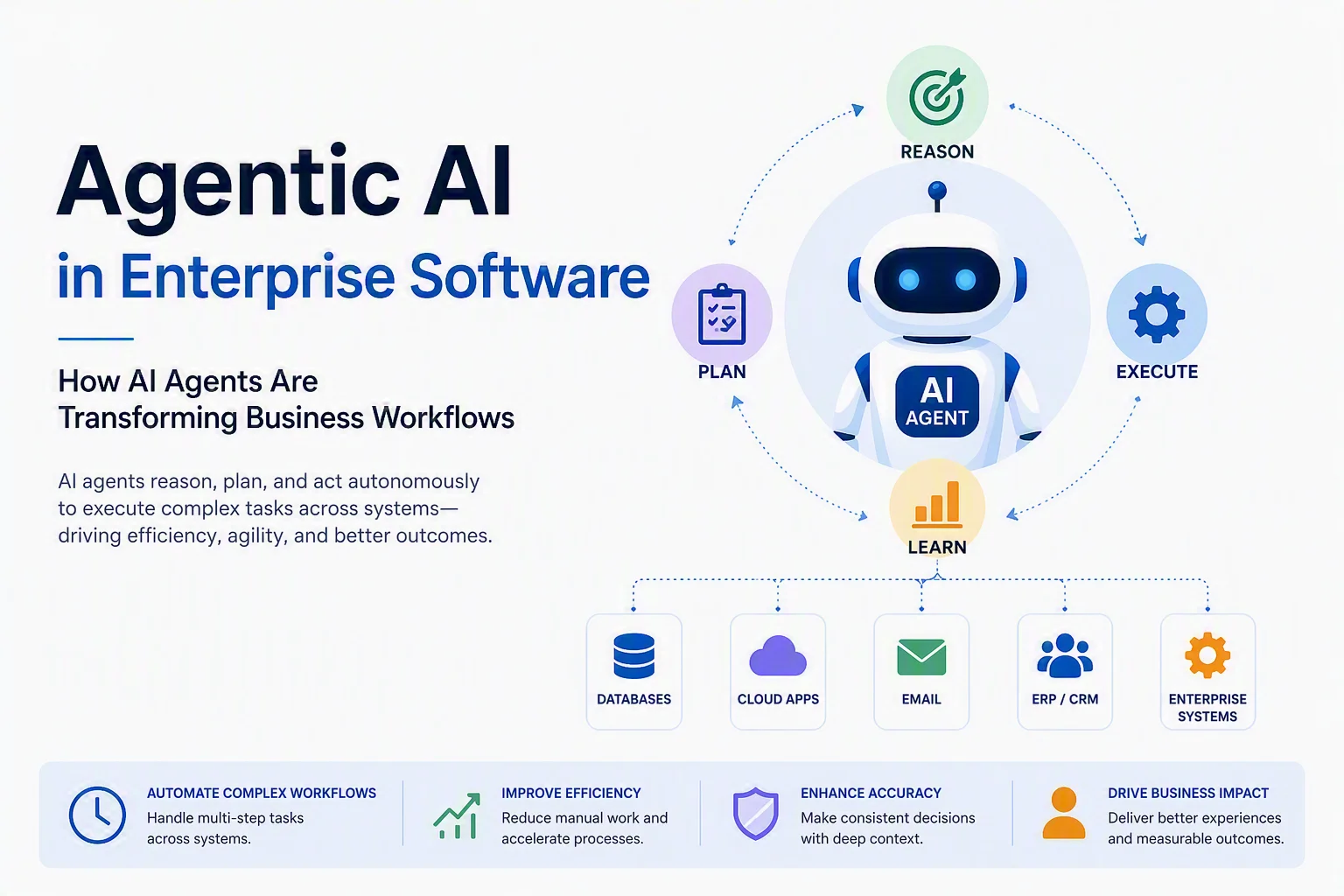
Artificial Intelligence and Automation
AI-powered solutions can improve CX through:
- Chatbots
- Predictive analytics
- Intelligent routing
- Personalized recommendations
- Automated support
These technologies help businesses provide faster and more efficient customer service.
Customer Data Platforms (CDPs)
CDPs unify customer information from multiple sources, creating a complete customer profile.
This enables more accurate personalization and better decision-making.
Omnichannel Customer Experience Strategy
Customers interact with brands across multiple channels.
These channels may include:
- Websites
- Mobile applications
- Social media
- Live chat
- Phone support
- Physical locations
An effective omnichannel strategy ensures customers receive consistent experiences regardless of the channel they choose.
Key principles include:
- Unified customer data
- Consistent messaging
- Seamless channel transitions
- Integrated support systems
Customers should never need to repeat information when moving between channels.
Key Metrics for Measuring CX Success
Measuring performance is essential for continuous improvement.
Net Promoter Score (NPS)
Measures customer loyalty and willingness to recommend the brand.
Customer Satisfaction Score (CSAT)
Evaluates customer satisfaction after specific interactions.
Customer Effort Score (CES)
Measures how easy it is for customers to accomplish tasks.
Customer Retention Rate
Tracks the percentage of customers who continue doing business with the company.
Customer Lifetime Value (CLV)
Calculates the total revenue generated by a customer over time.
Churn Rate
Measures the percentage of customers who stop using products or services.
Monitoring these metrics helps organizations identify trends and improvement opportunities.
Common CX Strategy Challenges
Despite the benefits, organizations often face obstacles when implementing CX initiatives.
Data Silos
Disconnected systems limit visibility into customer interactions.
Inconsistent Experiences
Different departments may deliver varying levels of service.
Lack of Customer Insights
Insufficient data can lead to ineffective decision-making.
Resistance to Change
Employees and stakeholders may resist new processes and technologies.
Limited Resources
Budget constraints can impact CX investments.
Addressing these challenges requires strategic planning, leadership support, and ongoing commitment.
Best Practices for CX Strategy Success
Prioritize Customer Needs
Every decision should consider customer expectations and outcomes.
Collect Feedback Continuously
Customer feedback should drive ongoing improvements.
Invest in Employee Experience
Happy employees often deliver better customer experiences.
Use Data Effectively
Leverage analytics to identify trends and opportunities.
Optimize Customer Journeys
Regularly evaluate and improve customer touchpoints.
Embrace Innovation
Adopt new technologies that enhance customer interactions.
Measure and Refine
Continuously track performance metrics and adjust strategies accordingly.
The Future of CX Strategy
Customer experience continues to evolve with technological advancements and changing consumer expectations.
Emerging trends include:
- Artificial intelligence-driven personalization
- Predictive customer support
- Hyper-personalized experiences
- Real-time customer insights
- Advanced customer analytics
- Conversational AI
- Voice-enabled customer interactions
Organizations that adapt to these trends will be better positioned to deliver exceptional customer experiences and maintain competitive advantages.
Conclusion
A well-designed CX strategy is one of the most powerful drivers of business success. By understanding customers, mapping journeys, leveraging technology, personalizing interactions, and fostering a customer-centric culture, organizations can create experiences that build loyalty, increase retention, and drive sustainable growth.
The most successful businesses recognize that customer experience is not a one-time initiative but an ongoing commitment to meeting and exceeding customer expectations at every stage of the journey. Companies that continuously refine and optimize their CX strategies will strengthen customer relationships, enhance brand reputation, and achieve long-term success in an increasingly competitive marketplace.