Sign up with Google
 Sign in with Zoho

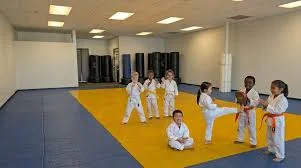
Walking into a martial arts class for the first time can feel unfamiliar. You might wonder whether you need previous experience, special equipment, or excellent fitness. Most beginners have similar questions before stepping onto the training mat. Knowing what happens during class can make your first visit feel easier.
What Happens During Your First Martial Arts Class?
Your first session introduces you to the training environment, basic movements, and instructor expectations. At a martial arts academy in Rocklin, beginners can explore different training disciplines while developing coordination, balance, and confidence. The exact activities depend on your chosen program, age group, and instructor.
A typical introductory session may include:
- Meeting your instructor: Explain your experience level and ask questions about training.
- Warming up: Prepare your body through light movement and basic conditioning exercises.
- Learning foundational techniques: Practise simple movements before progressing toward more challenging skills.
- Following safety instructions: Understand how to train responsibly and respect your practice partners.
Nobody should expect you to master unfamiliar techniques immediately. Focus on listening carefully, following instructions, and learning at your own pace.
Which Martial Arts Skills Will You Learn?
Different martial arts develop different skills, so your experience depends on the program you choose. CSAMMA offers Brazilian Jiu-Jitsu, Muay Thai, judo, and wrestling for students across different age groups. Each discipline introduces its own techniques, movement patterns, and training methods.
For example, your first class might introduce:
- Brazilian Jiu-Jitsu: Learn basic grappling positions, balance, and controlled movement.
- Muay Thai: Explore striking fundamentals, footwork, and proper body positioning.
- Judo: Practise balance, movement, and introductory throwing principles under supervision.
- Wrestling: Develop body control, positioning, and basic grappling techniques.
Your instructor should explain unfamiliar movements and demonstrate how to practise them safely. You do not need to understand every technique during your first session. Consistent practice helps beginners build stronger foundations over time.
What Should You Wear and Bring?
You probably do not need to purchase expensive equipment before your first visit. Contact the academy beforehand to confirm its clothing requirements and whether beginners need specific training gear.
For your introductory session, consider preparing these essentials:
- Wear comfortable athletic clothing that allows unrestricted movement.
- Bring drinking water to stay hydrated throughout the session.
- Remove jewellery and keep your fingernails trimmed before partner training.
- Arrive early enough to introduce yourself and discuss any concerns.
Tell your instructor about previous injuries or physical limitations before training begins. This information helps them explain suitable precautions and adjust activities when appropriate.
Will Your First Class Be Difficult?
Your first session may challenge your coordination, concentration, and physical endurance. That does not mean you need to arrive already fit. Beginners improve through practice, patience, and consistent feedback rather than perfect performance.
A supportive instructor should explain techniques clearly and supervise students during training. CSAMMA highlights instructor supervision, safety, confidence, and discipline as important parts of its training environment. You should feel comfortable asking questions whenever something seems unclear.
How Can You Get More From Your First Visit?
Choosing a Rocklin martial arts academy involves more than comparing class schedules or training styles. Pay attention to how instructors communicate, explain safety procedures, and support students who are still learning. Notice whether the training environment encourages respect, controlled practice, and steady improvement.
Your first class is an opportunity to understand the training process before making longer-term commitments. Ask which program suits your age, experience, and personal goals.
Conclusion
Your first martial arts class should help you understand the basics and feel more prepared for future training. Arrive ready to listen, ask questions, and learn without putting pressure on yourself. With suitable instruction and regular practice, beginners can gradually develop useful skills, physical confidence, and greater self-discipline.