Sign up with Google
 Sign in with Zoho

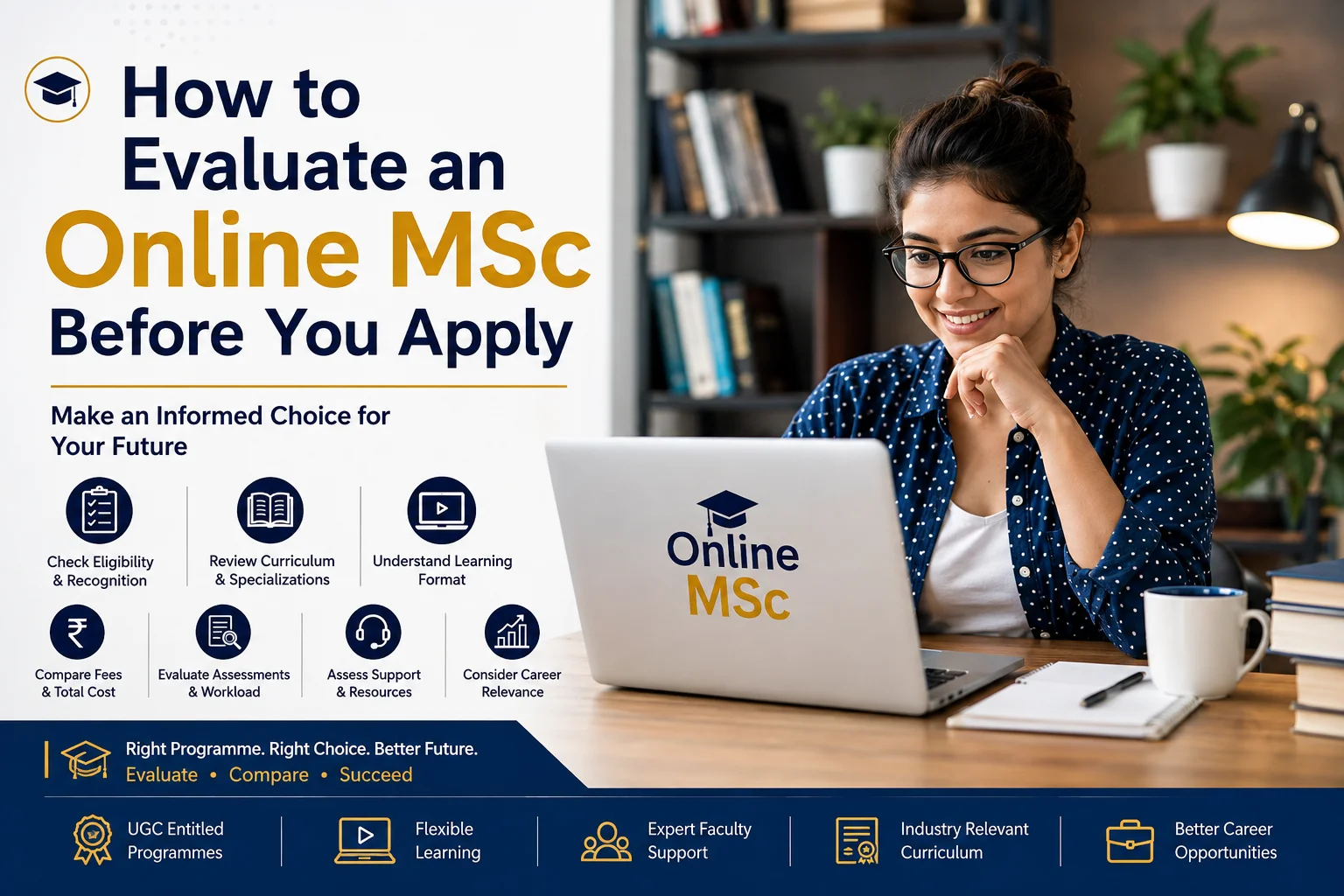
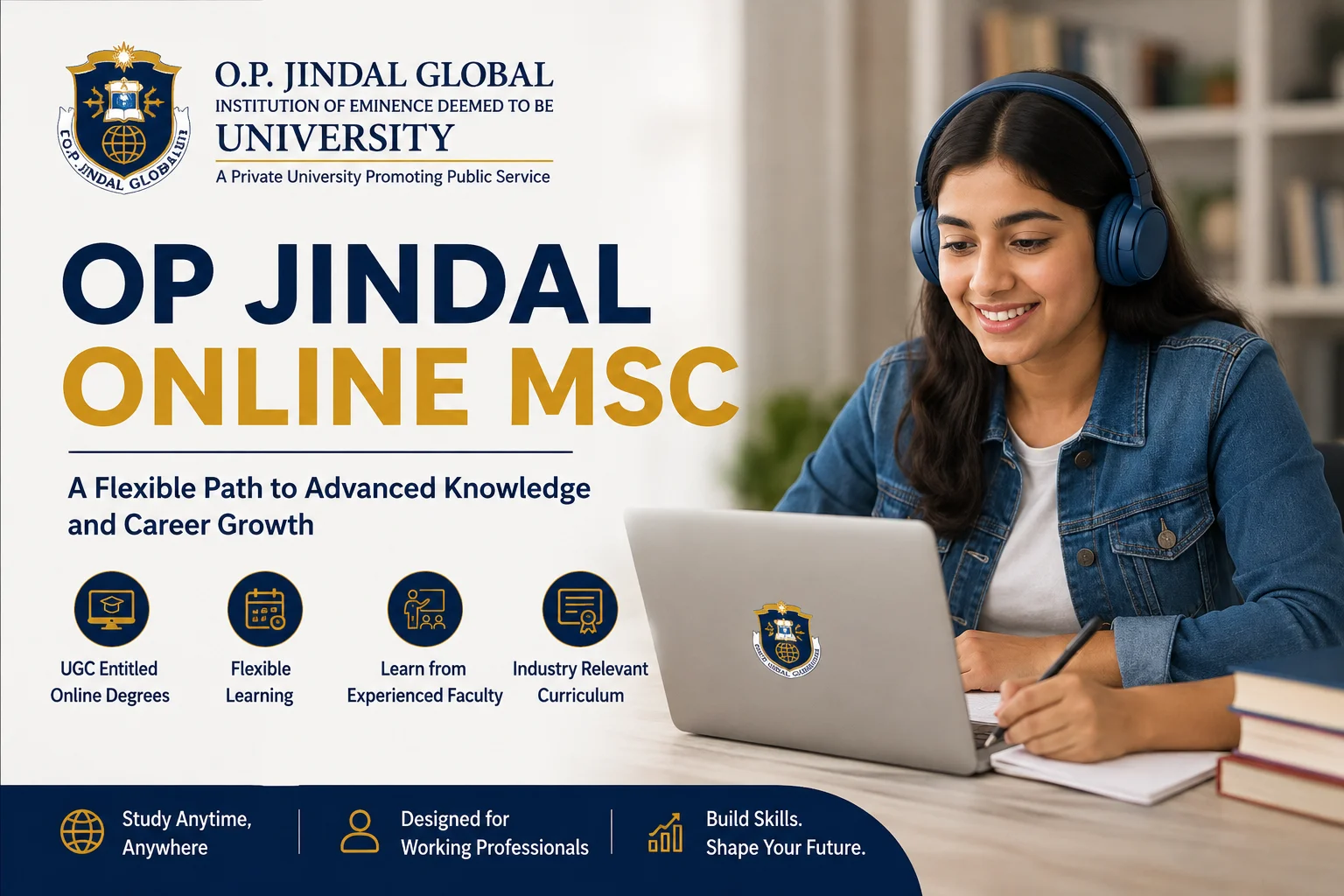
Choosing a postgraduate degree online can be a practical option for graduates who want to continue learning without leaving their current job or location. But with many programmes available, selecting the right online MSc requires more than comparing university names.
You need to understand the course structure, eligibility, fees, learning format, assessments, academic support, and career relevance. These factors can affect both your study experience and the value you get from the programme.
An online MSc can work well when the programme matches your academic background and career plans. The key is to compare the details carefully before submitting an application.
Start With Your Career Plan
Your career goal should guide your programme search. Think about the type of role you want after graduation and the knowledge required for that role.
For example, a graduate interested in technology may look for subjects related to computing, data, analytics, or other technical areas. Someone with a different career goal may need a completely different specialisation.
This approach is more useful than simply searching for a popular university. Once you know your target field, you can compare programmes based on their actual curriculum.
Study the Curriculum Before Enrolling
The course curriculum tells you what you are likely to learn during the programme.
Read the subjects for every semester or term. Look for core subjects, specialised topics, projects, assignments, and practical activities.
A programme title alone doesn't tell you enough. Two online MSc programmes may sound similar but have very different subject structures.
Suppose you want to move towards a data-focused career. You may want to see subjects involving statistics, databases, programming, data analysis, or visualisation. If those areas aren't part of the programme, it may not support your goal as well as another option.
The curriculum should therefore be one of the first things you compare.
Check the Eligibility Requirements
Eligibility is another area students should verify before applying.
Different universities and programmes can have different academic requirements. Some may expect a particular undergraduate background, while others may accept graduates from a broader range of disciplines.
Don't rely on assumptions based on the course name.
Read the current admission requirements carefully. If you're unsure whether your previous degree qualifies, contact the university before completing the application.
This is especially important for students moving into a new academic field.
Understand How Online Classes Work
Online learning can take different forms.
Some programmes provide recorded lectures that students can access according to their schedules. Others may include live classes, online discussions, digital learning materials, assignments, and examinations.
Think about your own learning style.
A working professional may prefer recorded sessions because they can study after office hours. Another student may prefer live classes because direct interaction makes difficult topics easier to understand.
Before enrolling, find out how classes are delivered and how students communicate with faculty.
Compare the Complete Fee Structure
Online MSc fees are important, but the advertised programme fee should not be the only number you consider.
Check the complete fee structure and look for any additional charges related to registration, examinations, learning resources, or other academic requirements.
Also compare the cost with the programme's duration and overall structure.
For students researching options such as a CHRIST University online MSc programme, it is sensible to review the latest official programme information before making a financial decision.
A simple comparison can help you understand whether a programme fits your available budget.
Consider the Assessment Pattern
The way you are assessed can have a major effect on your study routine.
Online MSc programmes may use assignments, examinations, quizzes, projects, presentations, or a combination of these methods.
Working professionals should pay particular attention to deadlines and examination schedules.
Imagine a student working from Monday to Friday and studying in the evening. If several assignments are due during the same period, the workload can become difficult to manage.
Understanding the assessment structure beforehand helps you plan realistically.
Look at Academic Support
Online students still need access to academic guidance.
Check whether the programme provides ways to communicate with faculty members and whether students can get help with academic questions, assignments, or projects.
You should also understand how learning materials are provided and whether the university uses a dedicated online learning platform.
Good academic support can make independent study easier, particularly when you are dealing with complex postgraduate subjects.
Match the Programme With Industry Skills
A postgraduate degree can strengthen your academic foundation, but your career may also require practical skills.
Look at job descriptions for the roles you want to pursue. Identify the skills employers commonly mention and compare them with the subjects covered in the programme.
For technology-related careers, employers may look for knowledge of programming, databases, analytics, cloud platforms, or other technical tools. The exact requirements depend on the role.
You can also develop additional skills through personal projects, certifications, internships, or practical assignments.
This can help you connect academic learning with real workplace requirements.
Check the Technology Requirements
Online study depends on reliable technology.
Before enrolling, check whether your computer meets the programme requirements. You should also have a stable internet connection for lectures, assignments, examinations, and other online activities.
Some specialised programmes may require particular software or technical tools.
Knowing these requirements in advance can prevent problems after your course begins.
It is also useful to understand how the learning platform works and whether technical support is available when students face access issues.
Think About Time Management
One of the main advantages of online education is flexibility. But flexibility doesn't remove the need for discipline.
You still need to attend classes when required, study course material, complete assignments, prepare for examinations, and work on projects.
Create a weekly study routine before you enrol.
For example, a working graduate might reserve weekday evenings for lectures and use part of the weekend for assignments. Another student may prefer shorter daily study sessions.
The best routine is the one you can maintain consistently.
Verify Important Academic Information
Information about fees, eligibility, admission dates, programme structure, and academic requirements can change.
That's why you shouldn't depend entirely on old articles, social media posts, or promotional pages.
Use official university information when checking important details. If information from different sources doesn't match, contact the university for clarification.
This is particularly important when your decision involves a significant financial or academic commitment.
Avoid Common Selection Mistakes
Choosing a programme only because of its university name is a common mistake.
Another is focusing entirely on fees. A low-cost programme may not necessarily match your academic or career requirements.
Some students also ignore the workload until after admission. Check the schedule, assessment pattern, and study requirements before committing.
Finally, don't make a decision based only on claims about placements or salaries. Career outcomes depend on several factors, including skills, experience, location, role, and the employment market.
Frequently Asked Questions
Is an online MSc suitable for working professionals?
It can be a practical option for professionals who need flexibility while continuing their careers. However, students still need to dedicate regular time to classes, assignments, and examinations.
How do I choose the right online MSc?
Start with your career goal and academic background. Then compare the curriculum, eligibility, fees, learning format, assessment pattern, recognition, and academic support.
Should I choose an online MSc based on university reputation?
University reputation can be one consideration, but it shouldn't be the only factor. The programme itself should match your learning needs and career direction.
Are online MSc courses difficult?
The difficulty depends on the subject, curriculum, and your academic background. Postgraduate study requires consistent effort, even when classes are delivered online.
What should I verify before applying?
Check the current eligibility rules, curriculum, total fees, duration, learning format, examination process, and other programme requirements. Use official sources for final confirmation.
Final Thoughts
Selecting an online MSc requires careful comparison rather than a quick decision. Start with your career goal and then examine the curriculum, eligibility, cost, learning format, assessment structure, and academic support.
Also consider how much time you can realistically dedicate to postgraduate study. When the programme fits your academic background, career plans, budget, and schedule, online education can be a practical way to continue your studies while managing other responsibilities.