Sign up with Google
 Sign in with Zoho

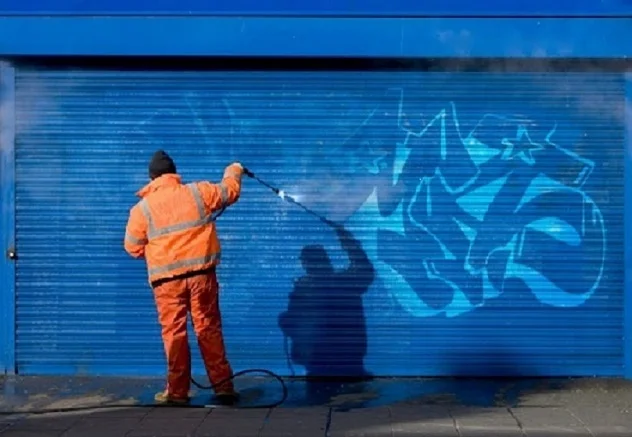
Graffiti can appear on buildings, walls, public infrastructure, transportation areas, signs, and other surfaces without warning. Removing unwanted paint requires more than simply applying a strong cleaner and scrubbing. The type of surface, graffiti material, age of the marking, weather conditions, and cleaning technique can all affect the outcome. A Graffiti Remover Kit can provide a practical combination of materials for addressing graffiti, but understanding how and when to use different removal methods is essential for protecting the surface underneath.
This guide explains the basics of graffiti removal, important surface considerations, cleaning techniques, safety practices, maintenance strategies, and questions commonly considered before starting a removal project.
Understanding How Graffiti Bonds to Surfaces
Graffiti can be created with spray paint, permanent markers, coatings, stickers, or other materials. These substances behave differently depending on the surface where they are applied.
Porous materials such as unfinished brick and concrete can absorb paint below the surface. Smooth materials such as glass and some metals may prevent deep absorption but can still be scratched or discolored through improper cleaning.
Painted surfaces require particular care because aggressive cleaning may remove the original coating along with the graffiti.
The longer graffiti remains exposed, the more difficult it may become to remove. Sunlight and weather can also change the characteristics of the marking, making early assessment useful.
Why Surface Identification Matters
Before selecting a cleaning method, identify the material being treated. A product or tool suitable for concrete may not be appropriate for painted metal or delicate masonry.
Consider the following factors:
- Surface type – Determines the level of cleaning intensity that may be appropriate.
- Graffiti material – Paint, marker, adhesive, and other markings may require different approaches.
- Surface condition – Older, weathered, or damaged surfaces may need gentler treatment.
- Location – Nearby vegetation, pedestrians, vehicles, or drainage systems may influence the cleaning process.
Understanding these factors helps reduce the possibility of unnecessary surface damage.
How Graffiti Removal Products Work
Graffiti removers generally work by loosening, dissolving, or lifting unwanted coatings from a surface. Different formulations are designed for different types of markings and materials.
Some products are solvent-based, while others rely on water-based or lower-impact formulations. The appropriate choice depends on the graffiti, surface, environmental considerations, and manufacturer's instructions.
A cleaning solution should not automatically be selected based on strength alone. A highly aggressive product may remove graffiti quickly but could also damage paint, coatings, sealants, or the original surface.
Follow the Manufacturer's Directions
Product instructions may specify application methods, recommended dwell times, dilution requirements, compatible surfaces, and rinsing procedures.
Following these instructions is important because excessive product use or prolonged contact may produce unwanted results.
Always read the product label and safety information before beginning work. If the surface compatibility is unclear, a small test area can help determine how the material responds.
Comparing Common Graffiti Removal Methods
Different situations may call for different techniques. No single method works equally well for every surface.
The safest approach is usually the least aggressive method that can effectively remove the marking.
Preparing Before Removing Graffiti
Preparation can make a significant difference in both safety and cleaning results. Before applying a product, inspect the surrounding area and identify anything that could be affected by the cleaning process.
Cover or protect nearby materials when necessary. Consider nearby windows, vehicles, landscaping, electrical components, painted surfaces, and drainage areas.
Adequate ventilation is important when working with products that produce fumes. Outdoor work may still require attention to wind direction and runoff.
Actionable Preparation Tips
- Photograph the area first – Documentation can help compare the surface before and after cleaning.
- Test a small section – A discreet test can reveal how the surface reacts.
- Read safety information – Product labels and safety data provide important handling guidance.
- Protect surrounding areas – Prevent cleaning materials from reaching surfaces that should not be treated.
- Plan waste handling – Consider how removed paint, rinse water, and used materials will be managed.
Good preparation can reduce mistakes and make the cleaning process more controlled.
Using the Right Tools
The appropriate tool depends heavily on the surface. Soft brushes may work for some masonry surfaces, while microfiber cloths or non-abrasive pads may be better suited to smoother materials.
Scrapers can help remove certain thick markings, but excessive force may scratch surfaces. Pressure washing can be effective on durable materials, but excessive pressure or an incorrect nozzle can damage masonry and coatings.
Match Tools to the Surface
For delicate surfaces, begin with gentle methods and increase cleaning intensity only when necessary. Durable surfaces may tolerate stronger techniques, but even these should be approached carefully.
The objective is not simply to remove graffiti as quickly as possible. The goal is to remove it while preserving the original condition of the property.
Safety Should Be Part of Every Removal Project
Graffiti removal products may contain ingredients that require careful handling. Appropriate protective equipment depends on the specific product and instructions.
Gloves and eye protection may be recommended for certain cleaning solutions. Protective clothing may also be appropriate when there is a risk of splashing.
Never mix different cleaning chemicals unless the manufacturer's instructions specifically state that they are compatible. Chemical combinations can produce dangerous reactions or harmful fumes.
Keep products secured when not in use and follow applicable local requirements for handling and disposal.
Protecting People and the Environment
Consider pedestrians, workers, pets, landscaping, and nearby water drainage before starting. Barricades or warning signs may be appropriate in public areas.
Preventing contaminated runoff from entering storm drains is also an important environmental consideration. Local regulations may specify how wastewater and removed materials should be handled.
Removing Graffiti From Porous Materials
Brick and concrete present special challenges because their pores can absorb paint. Surface texture may also make complete removal more difficult.
Aggressive pressure washing may remove some visible paint while forcing residue deeper into the material or damaging the surface.
A suitable cleaning product combined with controlled agitation may be more appropriate in some circumstances. Multiple gentle applications may sometimes produce better results than one highly aggressive treatment.
Protecting Historic or Decorative Masonry
Older buildings and decorative masonry require additional caution. Cleaning can affect the original texture, color, mortar, or protective coatings.
For historically significant surfaces, professional assessment may be appropriate before treatment begins. Preserving the underlying material should be prioritized alongside graffiti removal.
Removing Graffiti From Metal and Painted Surfaces
Metal surfaces are generally less porous than brick, but they can still be vulnerable to scratching, discoloration, oxidation, or coating damage.
Painted metal requires even more attention because the graffiti may be sitting directly over a protective or decorative finish.
Testing the cleaning method on an inconspicuous area is especially useful. Avoid abrasive tools unless they are specifically appropriate for the surface.
For coated surfaces, selecting a compatible cleaning product can help preserve the original finish.
Removing Graffiti From Signs
Signs can contain painted graphics, reflective coatings, vinyl, plastics, or specialized finishes. These materials may react differently to cleaning products.
Aggressive solvents or abrasive techniques can damage lettering, reflective properties, or protective layers.
A careful assessment should therefore be completed before treatment. When the sign is part of transportation or public safety infrastructure, preserving its visibility and legibility is particularly important.
Preventing Future Graffiti
Removal is only one part of long-term property maintenance. Preventive measures can help reduce recurring cleaning requirements.
Protective coatings may make some surfaces easier to clean after future incidents. Lighting, surveillance, community programs, and regular inspections may also discourage unwanted markings.
Rapid response can be particularly useful. Removing graffiti soon after discovery may reduce weathering and help prevent repeated markings in the same location.
Build a Maintenance Procedure
Property managers can create a simple graffiti response plan covering:
- Reporting newly discovered graffiti.
- Identifying the affected surface.
- Selecting an appropriate removal method.
- Testing the cleaning approach.
- Completing the removal.
- Inspecting the finished surface.
- Documenting the work.
A consistent process can make future incidents easier to manage.
Common Mistakes to Avoid
Some graffiti removal problems result from using too much force or choosing a product without considering surface compatibility.
Common mistakes include using abrasive tools on delicate finishes, applying excessive pressure, leaving chemicals on surfaces too long, and skipping small-area testing.
Another mistake is assuming that stronger chemicals automatically provide better results. Effective cleaning depends on matching the product and technique to the marking and surface.
Rushing the process can increase the risk of permanent damage.
People Also Ask
What is a graffiti remover kit?
A graffiti remover kit is a collection of cleaning materials and, depending on the product, tools or accessories intended to help remove unwanted paint, marker, or other graffiti from suitable surfaces.
Can graffiti remover damage surfaces?
Yes. An unsuitable product, excessive dwell time, aggressive scrubbing, or excessive pressure can damage certain surfaces. Always check compatibility and test a small area first.
How quickly should graffiti be removed?
Removing graffiti promptly can make the task easier because weathering and prolonged bonding may make some markings more difficult to remove.
Can pressure washing remove graffiti?
Pressure washing can remove graffiti from some durable surfaces, but the correct pressure, nozzle, distance, and cleaning method are important to avoid surface damage.
Is graffiti removal safe for the environment?
Environmental impact depends on the cleaning product and removal method. Proper runoff control, product selection, and waste handling are important considerations.
Frequently Asked Questions
Does every graffiti remover work on every surface?
No. Cleaning products are generally formulated for particular materials and types of markings. Always review surface compatibility before use.
Should graffiti remover be tested first?
Yes. Testing a small, inconspicuous area can help determine whether the product affects the original surface or coating.
Is protective equipment necessary?
It depends on the product. Always follow the manufacturer's safety instructions and use the recommended protective equipment.
Can old graffiti be removed?
Old graffiti can often be treated, but weathering and deeper absorption may make removal more difficult. The appropriate approach depends on the surface and marking.
How can property owners reduce repeat graffiti?
Regular inspections, prompt removal, suitable protective coatings, improved lighting, security measures, and community initiatives may help reduce recurring graffiti.
Conclusion
Effective graffiti removal requires a balanced approach that considers the marking, surface, cleaning product, tools, environmental conditions, and safety requirements. A Graffiti Remover Kit may simplify the process when its components are suitable for the specific application, but careful preparation and adherence to product instructions remain essential. Property owners and maintenance teams can also benefit from establishing consistent response procedures and preventive strategies. For specialized surfaces such as public signage, researching options such as Graffiti Remover for Signs can help guide more appropriate cleaning decisions. clean city pro shares educational information about graffiti removal, surface maintenance, and practical approaches to keeping public and private spaces clean.
#Graffiti Remover Kit, #Graffiti Removal, #Graffiti Cleaning, #Paint Removal, #Graffiti Removal Guide, #Surface Cleaning, #Property Maintenance, #Concrete Cleaning, #Brick Cleaning, #Graffiti Prevention
Clean City Pro
1954 First Street, Suite 111, Highland Park IL 60035
773-2579300