Sign up with Google
 Sign in with Zoho

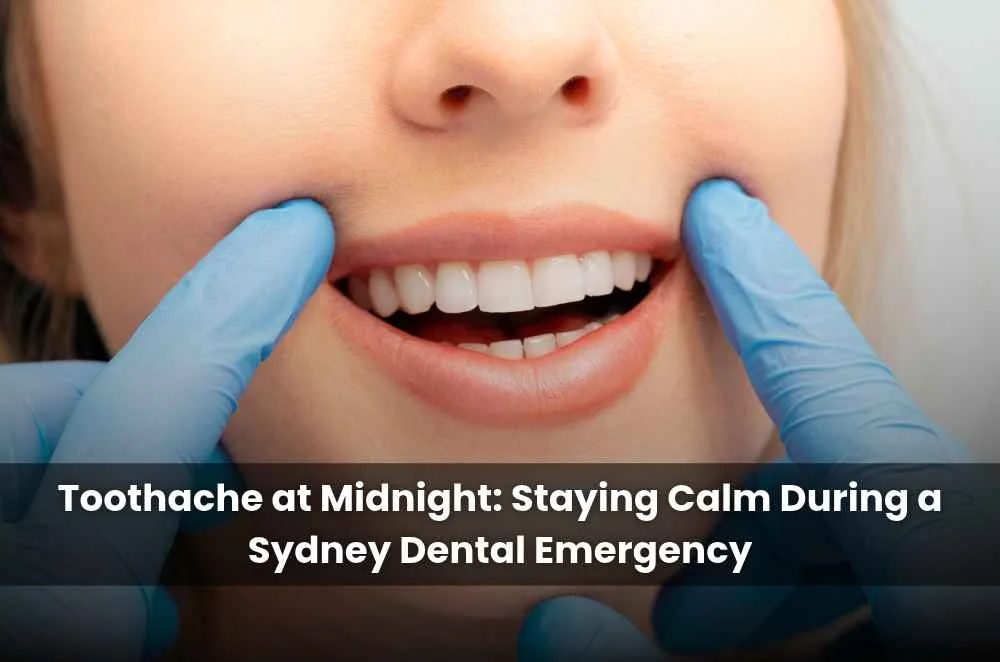
A throbbing molar can pull you out of sleep faster than a fire alarm. One minute you’re fine, the next every heartbeat pounds through your jaw. Late-night chemists help, but they don’t fix exposed nerves or a fractured filling. Dental emergencies are unpredictable, yet how you act in the first hour can decide whether you keep the tooth, avoid an infection or spend the next week living on soup.
Why Delay Makes Everything Harder
Teeth don’t heal the way skin does. Once decay or trauma breaches enamel, bacteria stream into soft tissue. That festers while you weigh up costs, work clashes and childcare. Infections can travel to the cheek, neck, even the bloodstream. Seeking urgent toothache help in Sydney within that pain window often prevents hospital stays and pricier treatments later.
Trauma is just as time-sensitive. A knocked-out adult tooth has its best survival odds if replanted within 30 minutes. After two hours the ligament cells mostly die, and the tooth becomes little more than a souvenir.
Hidden Culprits You Can Actually Prevent
Most Saturday-night emergencies start days earlier. A hairline crack from chewing ice, an ignored twinge when sipping cold water—small warnings escalate.
- Old fillings leaking under pressure from nightly teeth grinding
- Popcorn kernels wedged under gums causing abscesses
- Sports mishaps when a mouthguard sat forgotten in the gym bag
Preventive check-ups spot these weak points before they explode at 2 am. And yes, that includes the “tiny” cavity your dentist flagged last appointment. Cavities don’t negotiate; they expand.
Half the battle is everyday technique. Hard-bristle brushes scrape enamel and push gums back, exposing the root. Energy drinks bathe teeth in acid for hours because they’re sipped slowly. Swap to a soft brush and finish sweet drinks quickly rather than nursing them all afternoon.
For readers after a deeper dive into daily routines, this post on everyday oral care habits breaks down toothbrush angles, floss timing and sugar frequency in plain language.
Practical Relief Moves That Buy You Time
These steps won’t replace treatment, but they blunt the sharp edges until a chair opens.
- Rinse with warm salty water—old-school but still the quickest way to flush food debris and shrink swollen tissue.
- Take an anti-inflammatory rather than plain paracetamol where medically suitable. Reducing pressure inside the tooth relieves pain better than a simple analgesic alone.
- Keep a knocked-out tooth in cold UHT milk. It preserves ligament fibres longer than water.
- Ice the cheek, not the tooth. Direct ice on cracked enamel expands and contracts the fissure. Applying it externally calms nerves without widening the crack.
- Skip aspirin directly on the gum. That myth burns soft tissue and complicates later repairs.
Remember, these are stopgaps. If the pain climbs despite medication or swelling spreads beyond the gum line, head to an emergency dentist or, after-hours, the nearest hospital with dental cover.
Choosing Professional Help Wisely
Sydney’s after-hours dental scene ranges from boutique surgeries attached to shopping-centre medical hubs through to small suburban clinics that alternate weeknight rosters. Cost differs widely, but so does equipment.
Check whether the practice offers on-site X-rays. Without immediate imaging, diagnosing a hidden root fracture becomes guesswork and often leads to a second appointment elsewhere. Also look for same-day crown milling if you suspect a broken restoration—temporary caps fall off at inconvenient moments.
If you’re unsure, phone ahead. A short conversation about your symptoms lets reception triage urgency and confirm the dentist’s scope. Mention medications, allergies and whether you’re pregnant; local anaesthetic choices shift accordingly.
What Qualified Sources Say About Emergency Care
Clinical guidelines recommend attending a dentist within 24 hours for persistent toothache, trauma or swelling. Delaying longer raises infection risk and limits treatment options like pulpotomy instead of full root canal. For broader context, NSW Health’s oral health advice outlines when public dental clinics can intervene and which cases they must escalate.
FAQs
How can I tell if my toothache is truly an emergency?
Any pain that wakes you, prevents eating or comes with facial swelling signals an urgent problem. Chips or lost fillings without pain can wait a day or two, but throbbing or hot-cold sensitivity that escalates should be seen fast.
Is it safe to use clove oil until I get to a dentist?
Clove oil numbs nerves briefly, yet overuse irritates gums and masks worsening infection. Apply a tiny amount on cotton, once, then seek professional care.
My child knocked out a baby tooth—do I reinsert it?
No. Reimplanting a primary tooth risks damaging the adult tooth bud. Control bleeding with gauze and book a dentist the same day to check bone and soft-tissue health.
What if I can’t afford emergency dental fees upfront?
Many Sydney clinics offer payment plans or link to private health extras that cover part of the cost. Public hospitals with dental units can treat severe infections or trauma, though waiting times vary.