Sign up with Google
 Sign in with Zoho

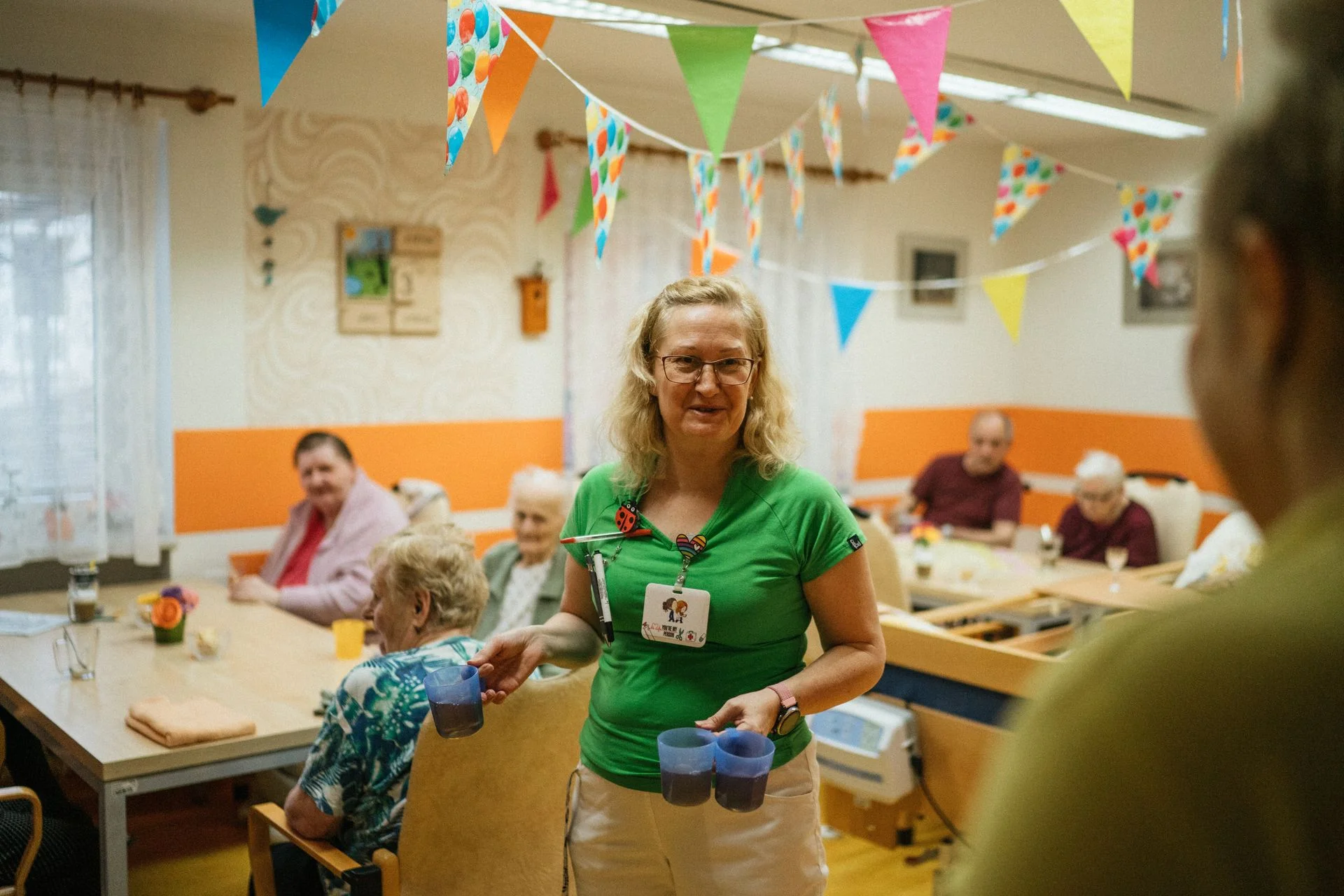
Pick any two senior living brochures. Lay them side by side. Odds are they look nearly identical. So what actually tips the decision? Rarely the amenity list. More and more, it comes down to what daily life genuinely feels like inside those walls — the small moments, the familiar faces, the quiet sense that someone actually knows you. Features get copied. That feeling doesn't. The gap between those two things is quietly rewriting how the whole industry positions itself.
Creating Authentic Community Connections
Real community has to be designed for. Deliberately. Leading communities build it through neighborhood layouts that invite casual run-ins, scheduling that creates shared daily rhythm, and staff who understand their role extends well past task completion. Connection, not checklists. When residents feel genuinely tied to neighbors and care partners, satisfaction climbs — rooftop terrace or not. Hosting events is easy. Building actual social fabric? That's the harder thing, and it determines long-term happiness more than almost any physical feature ever will.
Personalization Over Standardization
Older adults carry decades of distinct preferences, histories, and habits. Cookie-cutter programming ignores all of it. Experience-driven communities invest real time learning who each resident actually is — then building daily routines that reflect it. One resident starts her morning in the library. Another heads straight to the garden. Both finish the day satisfied because the schedule looks like them, not like a template. Getting there takes staff who listen, adapt, and hand residents genuine choices rather than a predetermined menu. The payoff isn't just higher satisfaction scores. It's an environment where people recognize themselves in their own days.
Staff Training and Genuine Care
Nothing shapes what residents experience more than the quality of human interaction. Full stop. Communities serious about competing on experience invest heavily in who they hire, how those people are trained, and whether they stick around. Care partners who see residents as individuals with stories — not as service recipients moving through a workflow — change the entire culture of a building. But that shift doesn't happen on its own. It takes real commitment to retention, ongoing person-centered education, and workplaces where staff actually feel respected.
Providers of assisted living in Redlands, CA that weave genuine care partnerships into their culture show what this looks like day-to-day. A team member who remembers a resident's obsession with crossword puzzles and pauses to debate a tricky clue. A nurse who spots emotional distress before it's even spoken and checks in — sincerely. Residents notice the difference between staff who are present and staff who are just moving through a checklist. That distinction matters far more than whether the lobby was recently renovated.
Meaningful Life Enrichment Programming
Keeping residents occupied is one thing. Giving them something worth doing is another entirely. Experience-centered communities build programming around purpose — volunteer roles inside and beyond the community, skill-sharing between residents, creative pursuits, causes that actually mean something. A former educator might lead book discussions. A lifelong gardener might teach horticultural classes. These programs work because they treat residents as contributors, not audience members. That shift — from filling time to enriching it — turns programming into something that genuinely matters.
Environment as an Experience Driver
Amenities are just features. The physical environment, though, quietly shapes every interaction a resident has with those features — every single day. Thoughtful wayfinding. Intentional lighting. Outdoor spaces that invite real exploration. Common areas designed for gathering, not just passing through. These details accumulate. A resident living with memory changes needs spatial cues and structure that feel supportive rather than clinical. A cognitively sharp resident craves spaces that stimulate and inspire. When design follows how people actually live and move — rather than how a floor plan photographs for a brochure — the building itself becomes a partner in daily experience.
Conclusion
The most competitive senior living communities have figured something out. No amenity list wins long-term. What wins is how residents feel waking up each morning. Authentic connections. Real choices. Care that sees them as individuals. Programming that gives their days actual purpose. Environments that support rather than constrain. Communities that get this right don't just attract residents — they create something with depth and meaning that residents carry with them every single day. That's not a feature you can drop into a brochure. It has to be lived.








.webp)