Sign up with Google
 Sign in with Zoho

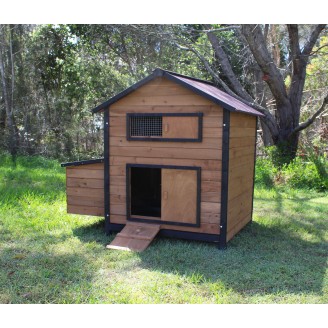
Backyard chickens are becoming common across Australia. From suburban homes in Brisbane to rural properties in Victoria, more families are choosing to keep hens for fresh eggs and a simple outdoor hobby. However, many beginners misunderstand what a proper chicken house should offer.
A lot of advice online focuses only on cute coop designs or cheap DIY ideas. In reality, the structure, space, ventilation, and maintenance of a chicken house directly affect the health of the flock.
This article explains the common mistakes people make when setting up backyard chicken coops and what works better for Australian conditions.
Why the Right Chicken House Matters
A chicken house is more than a small wooden shelter. It protects hens from weather, predators, and stress. When designed properly, it also keeps the coop clean and reduces daily work for the owner.
In Australia, weather changes can be strong. Summer heat, winter rain, and local predators all influence how a chicken house should be built and maintained.
A well-planned setup usually includes:
- Adequate ventilation
- Dry nesting boxes
- Safe flooring
- Easy cleaning access
- Secure doors and mesh
When any of these elements are missing, problems appear quickly.
Mistake 1: Choosing Style Over Function
Many first-time chicken keepers pick a coop based on how it looks. Decorative backyard coops may look charming, but design should never come before comfort and safety.
A functional chicken house needs enough space for movement, roosting bars, and nesting areas. Hens that feel cramped often show stress behaviours such as feather pecking or reduced egg laying.
When selecting a coop, focus on:
- Floor space per bird
- Height for roosting bars
- Easy access for cleaning
- Strong timber or weather-resistant material
Good design might look simple, but it performs better over time.
Mistake 2: Underestimating Space Requirements
A small coop might work for two birds, but many owners later expand their flock. Without proper space planning, the chicken house becomes overcrowded.
A simple rule used by many Australian poultry keepers is:
- 0.3–0.4 square metres inside the chicken house per bird
- 1 square metre or more in the outdoor run
This space allows hens to move freely and maintain natural behaviour. When birds feel relaxed, egg production usually improves.
Mistake 3: Poor Ventilation
Fresh air inside a chicken house is often overlooked. Without ventilation, moisture builds up quickly. Damp air leads to unpleasant odours and respiratory issues for chickens.
Good airflow does not mean strong wind. Instead, ventilation should allow air to move gently through the coop.
Ways to improve airflow include:
- Small ventilation windows near the roof
- Mesh-covered vents
- Raised coop flooring
- Adjustable openings for seasonal weather
Proper ventilation keeps bedding dry and the chicken house comfortable year-round.
Mistake 4: Ignoring Predator Protection
Australia has many animals that see chickens as an easy meal. Foxes, snakes, and even large birds can attack poorly protected coops.
A secure chicken house should include:
- Galvanised wire mesh instead of chicken wire
- Strong door latches
- Covered runs
- Raised floors where possible
Some keepers also install automatic doors that close at sunset. This simple upgrade helps protect hens overnight.
Mistake 5: Overlooking Feeding and Water Systems
Feeding chickens sounds simple, but messy feeding areas often attract pests and waste food. Inside or near the chicken house, proper equipment makes daily care easier.
Many poultry owners use chicken feeders and drinkers designed to reduce spills. These containers keep feed dry and water clean, especially during warm Australian summers.
Benefits of good feeding equipment include:
- Less food waste
- Cleaner coop environment
- Reduced risk of disease
- Easier daily routine
Even small improvements in feeding setup can make a big difference to flock health.
Mistake 6: Forgetting About Cleaning Access
Cleaning is part of chicken keeping. A poorly designed chicken house can make the job frustrating.
Some coops require awkward bending or removing roof panels just to reach the bedding. Over time, this discourages regular cleaning.
Look for features such as:
- Hinged roofs or side panels
- Pull-out droppings trays
- Wide access doors
- Smooth flooring surfaces
These small design elements save time and help maintain hygiene inside the chicken house.
Mistake 7: Not Planning for Weather
Australian climates vary widely. A coop that works in mild coastal areas may struggle in hotter inland regions.
When planning a chicken house, consider local weather patterns.
For example:
In warmer regions:
- Provide shade
- Use reflective roofing
- Improve ventilation
In cooler areas:
- Block strong wind
- Keep bedding dry
- Ensure roof insulation
Good weather protection keeps birds comfortable and reduces stress.
A Simple Layout That Works
Many experienced poultry keepers follow a practical layout when building a chicken house:
- Elevated wooden coop structure
- Covered outdoor run with mesh
- Nesting boxes placed in a quiet corner
- Roosting bars higher than nesting boxes
- Nearby feeding area with chicken feeders and drinkers
This setup keeps the space organised and easier to manage.
Helpful Resources for Chicken Keepers
If you are researching backyard poultry care, these resources may help:
- Australian poultry care guides from local councils
- Community backyard chicken groups
- Agricultural extension resources
Quick Checklist for a Good Chicken House
Before buying or building a coop, check these points:
- Enough space per bird
- Proper airflow
- Easy cleaning access
- Secure predator protection
- Dry bedding areas
- Safe feeding and watering setup
If these basics are covered, the chicken house will support a healthy flock.
Conclusion
Backyard chickens can be rewarding, but success starts with a well-planned chicken house. Many beginners focus on appearance or price, yet the real priority should be safety, airflow, space, and ease of care.
A thoughtful coop design, combined with reliable feeding equipment and regular maintenance, creates a healthier environment for hens. With the right setup, Australian households can enjoy fresh eggs while keeping chickens comfortable throughout the year.
Frequently Asked Questions
How big should a chicken house be for four chickens?
A chicken house for four hens should provide around 1.2 to 1.6 square metres of indoor space. An outdoor run should be at least four square metres to allow movement and scratching.
Do chickens need a chicken house at night?
Yes. Chickens naturally seek shelter after sunset. A secure chicken house protects them from predators and keeps them safe during bad weather.
How often should a chicken house be cleaned?
Light cleaning can be done weekly, while a deeper clean of the chicken house is usually done once every month depending on flock size and bedding type.
Where should a chicken house be placed in the yard?
Place the chicken house on well-drained ground with partial shade. Avoid areas that collect water during heavy rain.
Are automatic coop doors useful?
Many poultry owners find them helpful. Automatic doors close at night and open in the morning, reducing the risk of predators entering the chicken house.