Sign up with Google
 Sign in with Zoho

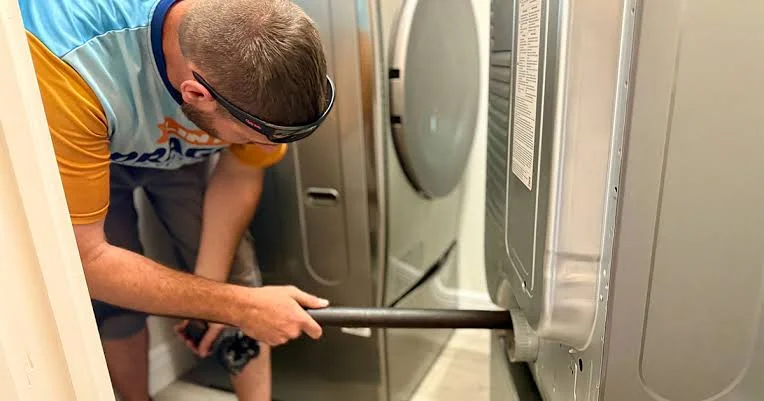
A house fire is the kind of event no family expects, and yet the cause can be as ordinary as a load of towels. Clothes dryers are among the appliances most often linked to home fires, and the pattern behind those fires is remarkably consistent. Lint builds up, heat gets trapped, and a small spark does the rest. Fortunately, the solution is also ordinary. A regular visit from a professional dryer vent cleaning service removes the fuel that makes these fires possible.
This guide explains how dryer fires start, what the data says, and the simple steps that keep your family safer.
What the Fire Data Tells Us
National fire research gives a clear picture. NFPA analysis of 2014 to 2018 fire department data estimated roughly 13,800 home structure fires per year involving clothes dryers or washing machines, with dryers accounting for the large majority. Earlier NFPA analyses reported higher estimates, around 16,950 fires per year for 2006 to 2010, and dryers accounted for about 92 percent of those fires and 87 percent of the deaths.
One finding shows up again and again: failure to clean is the leading factor contributing to ignition. Depending on the time period and the dataset, it accounts for roughly 30 to 35 percent of cases. The U.S. Fire Administration, which tracks residential fires, also lists failure to clean as the leading contributing factor in recent reporting.
These numbers are national estimates, and they change by year, but the conclusion stays consistent. Cleaning matters.
How a Dryer Fire Actually Starts
A dryer fire needs three things: fuel, heat, and oxygen. A dryer supplies heat and airflow. Lint supplies fuel.
Here is the typical sequence:
- Lint escapes the trap and collects in the duct.
- The buildup narrows the airway and slows airflow.
- Hot air has nowhere to go, so temperatures rise inside the dryer and duct.
- Lint near the heating element or inside the cabinet overheats.
- A spark, an overheated component, or simply heat reaches ignition temperature.
- Lint ignites and can spread to nearby clothing, dust, or building materials.
In NFPA data, the first items to ignite are most often dust, fiber, or lint, followed by clothing that is in or near the dryer.
Why the Duct Matters as Much as the Lint Trap
Many people believe that cleaning the lint screen is enough. It is essential, but it only catches part of the lint. Fine fibers pass through the screen, and the duct behind the wall becomes the long-term storage space for everything the screen misses.
The problem is that nobody sees it. You can empty the lint trap perfectly every day and still have a duct that is dangerously restricted after a year or two.
Other Risk Factors Beyond Lint
Lint is the leading factor, but not the only one. Other contributors include:
- Mechanical failure. Worn parts, broken thermostats, or failing heating elements can cause overheating.
- Electrical issues. Damaged cords, loose connections, or overloaded outlets.
- Improper installation. Plastic or foil ducts, kinked lines, or excessive length.
- Misuse. Drying items stained with flammable substances such as cooking oil, gasoline, or certain cleaning products.
- Poor placement. Dryers installed in cramped closets or near stored combustibles.
- Gas dryer issues. Leaks or poor venting, which also create carbon monoxide risk.
Safety is a system, and the vent is only one part of it, though a major one.
Laundry Items That Create Extra Danger
Some materials should never go into a dryer without proper treatment. Fire safety organizations warn against drying items that have come into contact with flammable liquids, including gasoline, paint thinner, cooking oils, and some cleaning products. Cooking oil on kitchen towels, for example, can heat up and ignite on its own as it oxidizes. Items with foam, rubber, or plastic parts can also melt or overheat. Always read care labels, and air-dry items that may be contaminated.
Warning Signs That Should Not Be Ignored
Watch for these indicators that a dryer or vent may be at risk:
- Clothes taking much longer to dry
- The dryer or the top of the machine feeling very hot
- A burning smell during or after a cycle
- Lint around the door, behind the dryer, or near the outside vent
- The vent flap outside barely moving
- The dryer shutting off early or tripping a high-limit device
If you smell something burning, stop the dryer and, if safe, unplug it. Do not use it again until a professional has checked it.
Texas Homes and Specific Risks
In Central Texas, long summers and hot attics add another layer. Many homes in the area have dryers on upper floors or in interior closets with long ducts routed through attic spaces. Hot attic air can dry lint further and place extra thermal stress on duct materials. Exterior terminations near soffits or rooflines are also attractive to birds and rodents. Combined with the extra laundry that large families produce, these conditions make regular inspection especially important. A local expert dryer vent cleaning service in Austin, Texas understands these layouts and can inspect for them.
What a Professional Cleaning Does for Safety
A full service addresses the fire risk directly:
- Removes lint from the entire length of the duct using rotary brushes and strong suction
- Clears the exterior termination of debris and nests
- Inspects for crushed, sagging, or disconnected duct sections
- Checks that the duct connection is secure
- Tests airflow at the end of the visit
- Identifies unsafe materials or installation problems and recommends fixes
The result is restored airflow and the removal of the primary fuel source.
Safe Duct Materials and Installation
Good installation reduces risk. Fire safety guidance generally recommends rigid or semi-rigid metal duct, and discourages plastic or thin foil duct, which can trap lint and burn more easily. Keep the duct as short and straight as possible, and follow your dryer manufacturer's limits on length and bends. Building codes generally set a maximum length, reduced for each elbow. If your duct is long, crushed, or made of flexible plastic or foil, ask a professional about upgrades.
Everyday Habits That Protect Your Family
- Clean the lint trap before or after every load
- Wash the lint screen occasionally to remove film from softener
- Do not run the dryer when you are asleep or away from home
- Keep the area around the dryer free of boxes, chemicals, and clutter
- Do not overload the dryer
- Make sure the dryer is plugged in correctly and the cord is undamaged
- Check the exterior vent hood a few times a year
- Install smoke alarms in or near the laundry area, and carbon monoxide alarms if you have a gas dryer
- Schedule professional cleaning at least once a year
What to Do If a Dryer Catches Fire
If you ever see smoke or flames from a dryer:
- Keep the door closed, since opening it feeds the fire with oxygen
- Turn off the dryer if you can do so safely, or unplug it
- Get everyone out of the home
- Call 911 from outside
- Do not go back inside
Do not attempt to fight a spreading fire yourself.
Rental Homes and Apartments
Tenants should notify landlords or building managers about slow drying, odd smells, or damaged vents. Property owners are often responsible for the vent system, particularly in shared buildings. Document requests in writing, and ask for service records.
Final Thought
Dryer fire safety is not complicated, but it does require consistency. Clean the trap every load, watch for warning signs, and schedule a professional cleaning once a year. Those small habits protect everything you care about. To book an inspection for your Austin home, visit https://greenwoodairductcleaning.com/services/dryer-vent-cleaning-austin/ and take the first step.