Sign up with Google
 Sign in with Zoho

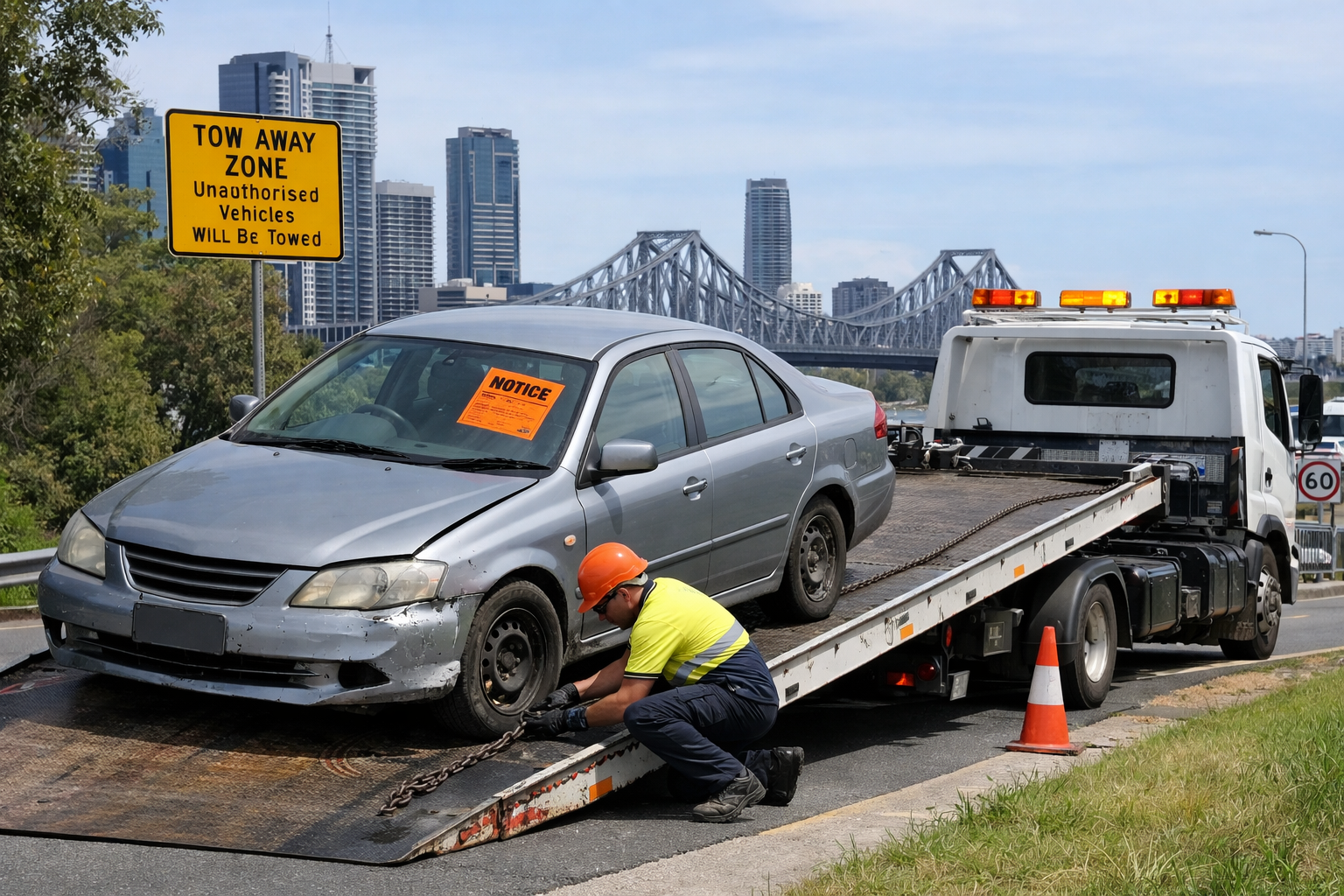
Vehicles do not last forever on the road. Every car reaches a stage where it can no longer stay parked or driven without creating risk, cost, or legal trouble. Many vehicle owners delay towing because they are unsure about timelines, rules, or real outcomes. This often leads to fines, safety issues, or added damage.
This guide explains how long a vehicle can remain on the road before towing becomes necessary. It covers legal limits, safety reasons, mechanical conditions, and council rules that apply to drivers in Brisbane. The goal is to help vehicle owners understand when towing becomes the sensible and required step.
What Staying on the Road Really Means
A vehicle staying on the road does not always mean driving. It also includes cars parked on streets, breakdown lanes, nature strips, or public parking areas. A vehicle can appear still but still create problems.
A car becomes unsuitable to stay on the road when it:
- Cannot be driven safely
- Blocks traffic or access
- Leaks fluids
- Lacks current registration
- Shows signs of abandonment
Once any of these apply, towing becomes a likely outcome.
Legal Time Limits for Vehicles on Public Roads
There is no single number of days that applies to all situations. The allowed time depends on condition, location, and registration status.
Registered Vehicles
A registered car can stay parked on a public street if it:
- Does not block traffic
- Does not create danger
- Does not leak oil, fuel, or coolant
- Is parked legally
If the car breaks down and remains unmoved, councils may issue a notice. This notice often allows a short period to move the vehicle before towing takes place.
Unregistered Vehicles
Unregistered vehicles cannot stay on public roads. Even one day can lead to fines or towing. Councils treat these cars as illegal road users, even if they are not driven.
Breakdown Situations and Towing Timeframes
When a vehicle breaks down on a road, time becomes critical.
Main Roads and Motorways
A broken vehicle on a busy road can be removed within hours. Safety crews aim to clear lanes to prevent accidents and traffic buildup.
Suburban Streets
On quieter streets, a broken vehicle may stay for a short time if it does not block access. Councils or police can still act if complaints are made.
In most cases, if a car cannot move under its own power, towing becomes necessary within the same day.
Safety Risks of Leaving a Vehicle Too Long
Leaving a damaged or faulty car on the road increases risk over time.
Common dangers include:
- Brake failure during movement
- Fuel leaks near hot engines
- Electrical faults causing fires
- Reduced visibility at night
- Sharp edges after accidents
Road authorities focus on public safety. Once a vehicle creates risk, towing follows quickly.
Mechanical Condition and Roadworthiness
A vehicle can stay on the road only while it remains roadworthy.
A car becomes unsuitable when:
- Steering fails
- Suspension collapses
- Wheels lock or detach
- Exhaust hangs low
- Lights fail completely
Queensland road rules require vehicles to meet basic safety standards. Once these standards are not met, towing becomes the correct step.
Abandoned Vehicles and Council Action
A vehicle may appear abandoned when:
- It remains unmoved for days or weeks
- It has flat tyres
- Windows are broken
- Registration plates are missing
Councils label these vehicles as abandoned. Notices are placed on the vehicle. If no action is taken, towing follows.
In many areas, abandoned cars can be removed within a few days after notice.
Accident-Damaged Vehicles and Road Clearance
After an accident, a vehicle may not be allowed to remain at the scene for long.
If a car:
- Blocks lanes
- Leaks fluids
- Has severe body damage
Authorities arrange towing without delay. Insurance involvement does not change this requirement.
Environmental Concerns and Fluid Leaks
Cars that leak oil, fuel, or coolant cannot stay on the road for long. These fluids damage surfaces and harm waterways.
Environmental rules allow councils to act quickly. Towing often happens the same day once leaks are confirmed.
Private Property Versus Public Roads
Rules differ between private and public spaces.
Public Roads
Strict rules apply. Time limits are shorter, and enforcement is active.
Private Property
Owners may leave vehicles longer, but local rules still apply. Body corporate or council rules may require removal.
When Waiting Becomes More Costly
Delaying towing often leads to:
- Fines
- Damage to tyres and suspension
- Battery failure
- Vandalism
- Council fees
What starts as a short delay can turn into higher costs and legal trouble.
A Practical Option When a Vehicle Cannot Stay Longer
When a vehicle can no longer stay on the road due to condition, legality, or safety, removal becomes the logical step. Many owners choose services that handle collection once the car reaches this stage. For vehicle owners dealing with a broken or unwanted car that has reached this point, car towing brisbane services provided through can assist with lawful removal when the vehicle can no longer remain on public roads.
Planning Ahead Avoids Last-Minute Pressure
Vehicle owners can avoid stress by acting early.
Helpful steps include:
- Monitoring registration status
- Addressing warning signs
- Moving broken vehicles off public roads
- Arranging towing before notices appear
Early action keeps control in the owner’s hands.
Final Thoughts on Vehicle Time Limits
A vehicle can stay on the road only while it remains legal, safe, and non-disruptive. Once any of these conditions change, towing becomes necessary. There is no fixed countdown, but the signs are clear.
Understanding these limits helps vehicle owners avoid fines, danger, and unnecessary expense. Knowing when to act protects both the driver and the wider community.