Sign up with Google
 Sign in with Zoho

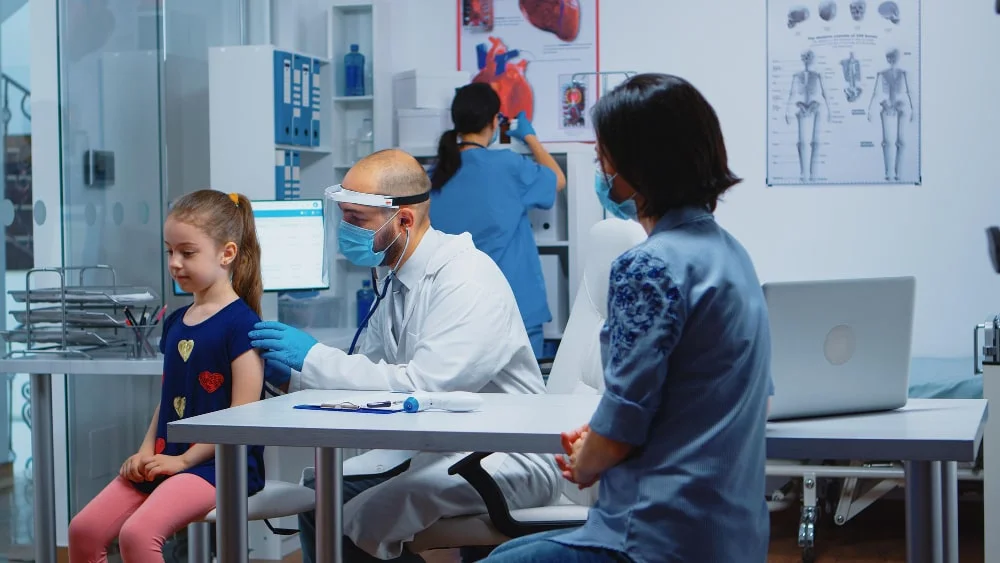
Regular checkups give parents an opportunity to understand how their child is growing, developing, and staying healthy. An annual physical exam for children and teens is more than a quick measurement of height and weight. It gives a pediatrician time to review physical health, development, vaccinations, behavior, school concerns, nutrition, sleep, and other age-specific needs.
These visits can also change as children grow. What a pediatrician discusses with a toddler may be very different from what they discuss with a teenager. Knowing what to expect can help parents prepare questions and make the appointment more useful.
What Is an Annual Physical Exam?
An annual physical exam is a checkup, for kids and teens. It’s meant to keep them healthy even if they feel fine. These visits help the pediatrician watch how your child grows and catches issues before they turn into big problems.
At the appointment the pediatrician usually looks over your child’s history. They do a physical check. They also check how your child is developing. They talk about vaccines and other preventive care.. They discuss healthy habits like eating well and staying active.
What gets checked during the exam depends on your child’s age. It also depends on their history how they’re growing and what they need. Each child is different so the exam is tailored to them.
What Is Included in a Child's Physical Exam?
1. Height, Weight, and Growth
Growth is one of the first areas typically reviewed during a physical. The pediatrician may measure:
- Height or length
- Weight
- Body mass index (BMI), when appropriate
- Growth patterns over time
Rather than looking at one measurement alone, pediatricians generally consider how a child's growth compares with their previous measurements and expected developmental pattern.
A change in growth pattern may lead to additional questions about nutrition, activity, sleep, or other factors.
2. Vital Signs
Depending on the child's age, the pediatrician may check vital signs such as blood pressure, heart rate, breathing rate, and temperature.
Blood pressure becomes particularly important as children get older. Regular measurements can help identify readings that may need further evaluation.
3. Head-to-Toe Physical Examination
A routine physical examination may include checking the child's:
- Heart and lungs
- Ears, nose, and throat
- Eyes
- Abdomen
- Skin
- Muscles and joints
- Nervous system
- Overall physical development
For younger children, the pediatrician may also pay attention to movement, coordination, and age-appropriate developmental milestones.
Developmental and Behavioral Screening
Physical health is only one aspect of the health of a child. In pediatric visits, the doctor will always inquire about the communication skills, learning abilities, behavior and even emotional health of the child.
In the case of toddlers and younger children, the doctor might want to know information on how they are communicating, moving, interacting socially, eating and sleeping.
In the case of older children and especially those attending school, the discussion will be focused on their academic performance, attention spans, friends, behavioral problems and learning abilities.
Teenage visits could include discussions on their mood, stress, relationships, sleep habits and substance abuse among others.
Vaccinations and Preventive Care
Another advantage of having an annual physical is that you get to check on your child's immunization record as well.
The doctor can find out if there are any routine vaccines or doses that your child needs depending on his age and previous immunization record. If he happens to have missed any vaccinations, then the doctors can decide what to do.
This will also be the time when preventive medicine is discussed, such as proper nutrition and physical activity.
Vision and Hearing Checks
Vision and hearing can also impact learning and daily activities, as well as communication. Screening will depend on the child’s age during a routine pediatric visit.
The pediatrician might advise further assessment by the relevant specialists, in case any issue is identified during the screening.
Parents must also alert the pediatrician of the signs observed in their child at home, such as squinting often, inability to see the board at school, having a hard time following conversation, or asking people to repeat themselves.
Mental and Emotional Health
The mental aspect of wellbeing is essential when it comes to preventive medicine among kids and adolescents.
Pediatricians often inquire about moods, anxiety, stress, sleeping patterns, school, relations with peers, etc. It might be helpful for older children and adolescents to have a chance to consult with their physician alone.
Parents do not necessarily have to wait for their annual visit if they notice any drastic changes in their child’s mood, behaviors, sleeping patterns, eating habits, school performance, or interactions with others.
Sports Physicals for Children and Teens
Children and teenagers who participate in organized sports may need a sports physical or sports participation evaluation. Sports physicals for children and teens in Winchester, MA, for example, can help address questions about a young athlete's medical history, previous injuries, activity level, and ability to participate safely.
A sports evaluation may include questions about:
- Previous injuries or surgeries
- Bone, muscle, or joint problems
- Exercise-related symptoms
- Family medical history
- Medications
- Heart-related symptoms
- Previous concussions
Parents should check the requirements of the child's school, sports league, or organization because forms and examination requirements can vary.
What Parents Should Bring to the Appointment
A little preparation can make an annual visit more productive. Consider bringing:
- Your child's vaccination records, if they are not already available
- A list of current medications and supplements
- School or sports forms that need to be completed
- Questions about growth, nutrition, sleep, or behavior
- Information about recent illnesses or injuries
- Any family medical history updates
It can also help to write down concerns before the appointment. Even questions that seem minor may be worth discussing with the pediatrician.
When Should Toddlers, Children, and Teens Have Physicals?
Preventive visits are encouraged throughout the child's life, including his childhood and teenage years; however, it may depend upon the age and healthcare requirements of the child.
In case you have a toddler and you need some guidance about developmental milestones and preventive screenings for him, then a toddler pediatrician in Burlington, MA will be of much help to you.
While the kids go to school and become adolescents, the yearly visits allow discussing his growth, development, vaccination shots, exercise routine, and emotional status.
You can also take advice from your child's pediatrician in Wilmington, MA regarding this matter.
How Can Parents Make the Visit More Useful?
The most valuable part of a physical may be the conversation between the family and pediatrician. Be open about changes you have noticed, even if you are unsure whether they are related to your child's health.
Ask questions about anything you do not understand. If your child is old enough, encourage them to ask questions themselves.
It is also helpful to mention changes in sleep, appetite, activity, school performance, mood, or behavior. These details can give the pediatrician a broader picture of your child's health.
Supporting Your Child's Health Through Every Stage
An annual physical gives families a regular opportunity to step back and look at the bigger picture of a child's health. From growth and vaccinations to development, mental well-being, nutrition, and sports participation, the focus can change as children move through different stages of childhood.
Keeping routine appointments and sharing your questions openly with the pediatrician can help make preventive care a consistent part of your child's healthcare routine. For parents, the goal is not simply to complete an annual checklist, but to understand how their child is progressing and what support they may need next.
Frequently Asked Questions
1. What happens during an annual physical exam for children and teens?
The visit commonly includes a review of medical history, growth measurements, vital signs, physical examination, developmental or behavioral screening, vaccination review, and age-appropriate preventive care.
2. Does my teenager need an annual physical if they feel healthy?
Yes. Preventive visits give the pediatrician an opportunity to monitor growth and development, review vaccinations, discuss healthy habits, and address concerns that may not cause obvious symptoms.
3. Is a sports physical the same as an annual physical?
They can overlap, but they are not always the same. A sports physical focuses on participation in athletic activities, while an annual physical provides a broader review of overall health and preventive care.
4. Should parents prepare questions before a child's physical?
Yes. Writing down questions about nutrition, sleep, development, school, behavior, medications, or sports can help ensure important concerns are discussed during the appointment.
5. When should I contact a pediatrician between annual visits?
Parents should contact their child's pediatrician whenever they have a significant health concern rather than waiting for the next routine appointment. Symptoms, injuries, developmental concerns, or major changes in behavior may require earlier attention.