Sign up with Google
 Sign in with Zoho

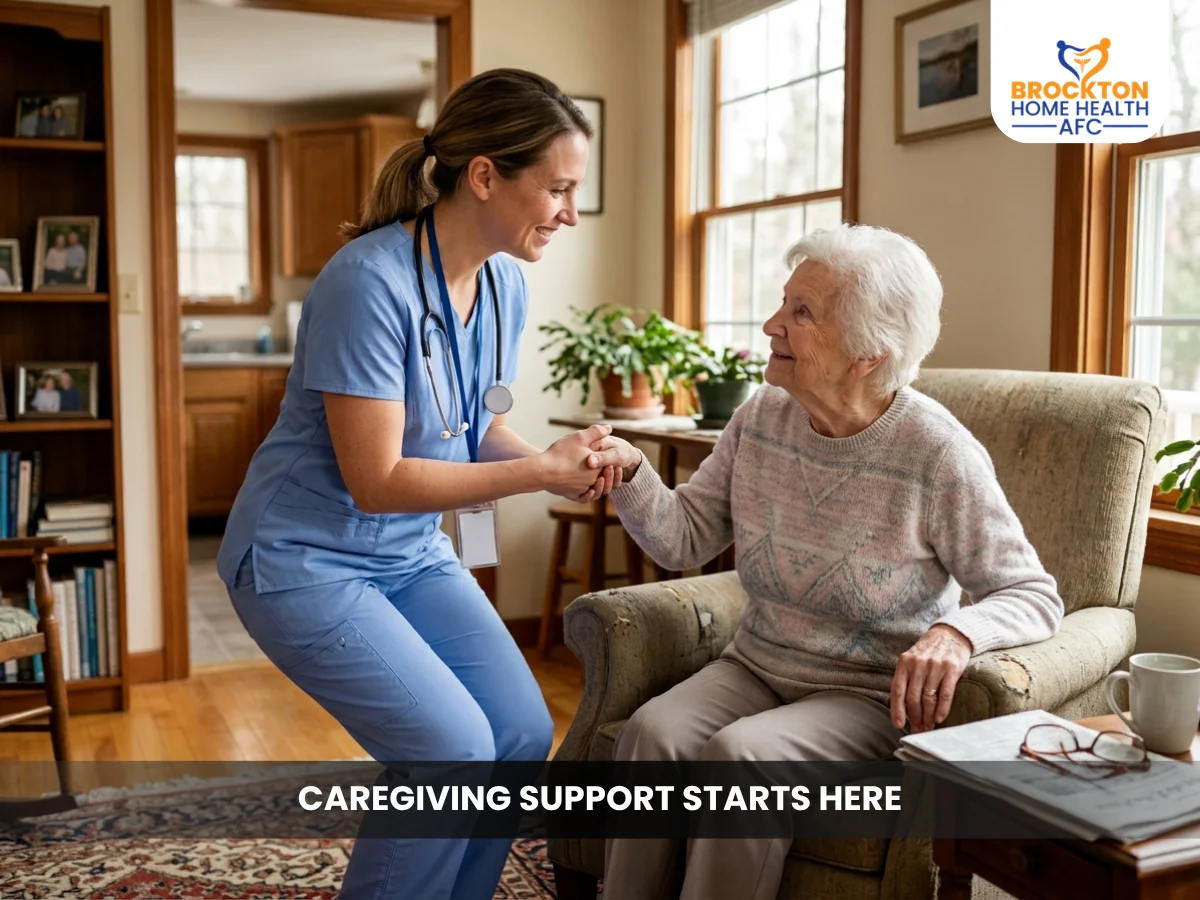
Opening your home to someone who needs daily support is a big decision, and most families feel a little overwhelmed before they even begin. Between paperwork, home safety requirements, and figuring out what a caregiver actually needs day-to-day, it's easy to feel like you're missing something important. That uncertainty is the real problem here, not the willingness to help. Once you understand what's actually required, the process becomes far more manageable, and Adult Foster Care in Brockton MA, programs exist specifically to guide families through each step so nothing gets overlooked.
The good news is that preparing your home doesn't require a total renovation or a huge budget. It requires a few thoughtful changes, some planning, and an understanding of what the person moving in will genuinely need. Below is a practical breakdown of how to get your home ready, along with what to expect financially and logistically along the way.
Understand What Adult Foster Care Actually Involves
Adult foster care is a program where a caregiver, often a family member, opens their home to an adult who needs help with daily living due to age, disability, or illness. It's not the same as a nursing home or assisted living facility. The person continues living in a family setting, which tends to support better emotional well-being and a stronger sense of independence.
Before making any physical changes to your home, it helps to sit down with a case manager or coordinator and understand the specific needs of the person you'll be caring for. Every situation looks different, and preparation should follow their actual requirements rather than a generic checklist.
Start With Basic Safety Adjustments
Safety is usually the first thing families need to address, and it's often simpler than people expect.
● Clear walkways of loose rugs, cords, or clutter that could cause a fall
● Add grab bars in the bathroom, especially near the toilet and shower
● Improve lighting in hallways, staircases, and entry points
● Check that smoke detectors and carbon monoxide detectors are working
● Consider a raised toilet seat or shower chair if mobility is limited
None of these changes need to happen all at once. Start with whatever poses the most immediate risk and build from there.
Make the Living Space Comfortable and Accessible
The person moving into your home needs a space that feels like their own, not just a spare room with a bed crammed against the wall. If you can, pick a room on the ground floor to avoid stairs. Allow ample room for a walker or wheelchair to move about freely, and keep frequently used items close at hand. Special touches also count. Familiar touches like pictures or a favorite chair can help make the transition feel less clinical and more like a real home. When their surroundings feel personal rather than institutional, people settle in faster.
Preparing for Daily Routines
Adult foster care usually means help with activities like bathing, dressing, preparing meals and managing medications. Walk through what a typical day will look like before the set-up starts. If the person will be helping with meals or eating at set times, consider kitchen access. Consider whether the bathroom layouts can be designed to help people safely and privately. If medication management is part of the plan, set up a simple, orderly system so that nothing is missed or mixed up. It can also be helpful to make a loose schedule for the day early on. Structure is good for the caregiver and the care receiver, as it reduces confusion and creates a rhythm that everyone can rely on.
Learn the Financial Side of Caregiving
Many families may not even consider adult foster care because they automatically assume it will be too expensive. “People don’t realize how much support is available out there. A caregiver stipend available to families in Brockton, Massachusetts can help with the cost of daily caregiving duties, making it more possible for families to afford to provide this kind of support without financial stress. The amount of the stipend and who is eligible will depend on the level of care needed and the rules of the particular program, so it is a good idea to have a conversation directly with a coordinator early on in the process. Knowing what financial support is available from the start makes it a lot easier to plan your home set-up and daily routine with confidence.
Talk Openly with All Involved
Preparing your house is not only a physical task, but it is also an emotional one. Talk to everyone in the house about what to expect. Kids, spouses, and other family members should be aware of what is changing, in space and in daily routine. Open communication also extends to the person who is moving in. Ask about preferences, habits, and comfort levels whenever possible. When they hear them early, it makes the whole transition easier for all.
Maintain a Support Network
No caregiver should try to do it all alone. Talk to your care coordinator regularly, ask questions if you’re unclear about something, and don’t be afraid to ask for more resources if you need them. Support networks, whether through the program or local community groups, can make a real difference in how sustainable this arrangement feels over time.
Summary
Getting your home ready for an adult foster care situation involves a combination of practical safety changes, purposeful daily routines, and open communication with all involved. You don’t have to do it overnight, and you don’t have to be perfect from day one. But above all, it has to feel safe, comfortable, and genuinely welcoming. While looking for Adult Foster Care Brockton MA options for your family, do one thing at a time, and trust the professionals who are helping you on the way. If cost is an issue, remember that caregiver stipends in Brockton Massachusetts, are often available to families to help make this decision more financially realistic. With the right preparation and support, welcoming someone into your home who needs care can become one of the most meaningful things your family ever does.