Sign up with Google
 Sign in with Zoho
.webp)
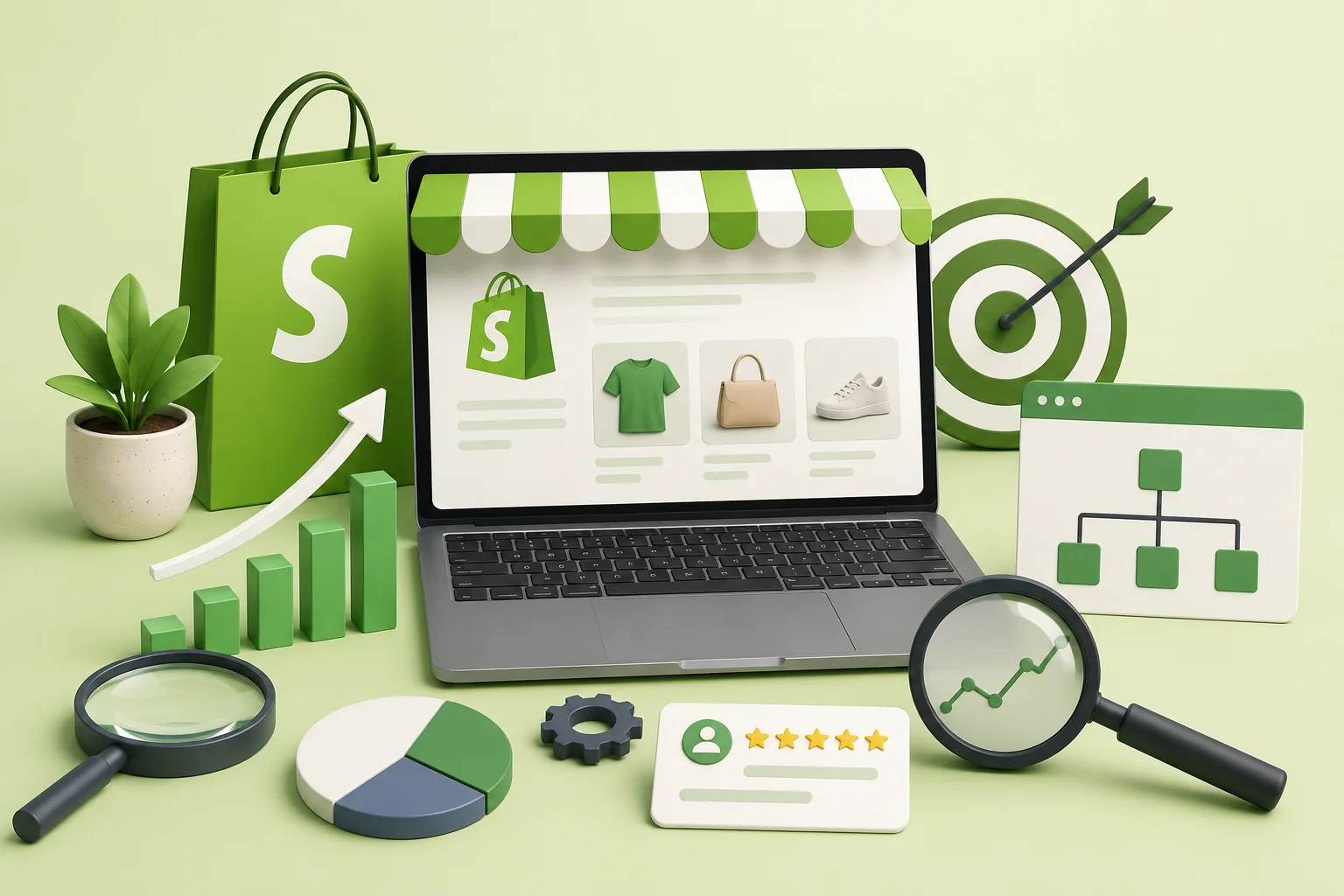
Product and collection pages are often where e-commerce traffic turns into customers, but that can only happen when search engines can properly understand and rank those pages. Strong on-page SEO can turn these pages into reliable sources of organic traffic instead of letting them remain hidden from searchers.
🏷️ 1. Write Clear, Keyword-Focused Title Tags
Each product and collection page should have a unique title tag that naturally includes the primary keyword. There’s no need to overuse keywords keep it clear and relevant. For example, "Men's Running Shoes | Lightweight & Breathable" clearly tells both Google and shoppers what the page is about.
📝 2. Optimize Meta Descriptions for Clicks
A strong meta description should do more than simply explain what the page contains it should encourage people to click. Mention what makes the product or collection worth exploring while keeping the description concise and action-oriented.
🧱 3. Use a Clean Header Hierarchy
Use one H1 on each page, followed by logical H2s and H3s for product information, specifications, or collection subcategories. A clear structure makes it easier for both search engines and shoppers to understand and scan the content.
🔗 4. Strengthen Internal Linking
Connect related products and collections through internal links. This helps distribute authority throughout your store, allows new pages to be discovered and indexed faster, and encourages visitors to continue exploring your site.
🖼️ 5. Optimize Images Properly
Use descriptive file names and useful alt text. For example, "black-leather-crossbody-bag.jpg" is more descriptive than "IMG1234.jpg". This can improve accessibility while also creating an opportunity to attract traffic through image search.
🧭 6. Keep URLs Short and Descriptive
A straightforward URL such as /collections/running-shoes is better than a long string of parameters. Clean URLs are easier for people to understand and easier for search engines to interpret.
🧩 7. Avoid Duplicate Content
Collection pages featuring similar products can sometimes create duplicate content problems. Add unique descriptions to each page and use canonical tags where necessary to help keep pages distinct in Google’s eyes.
Conclusion
On-page SEO isn’t something you complete once and forget it’s an ongoing foundation that influences whether your product and collection pages are actually discovered. Clear titles, well-structured content, effective internal linking, and clean URLs work together to help search engines understand your store while making it easier for customers to find what they need.
FAQs
🔍 What’s the most important on-page SEO element?Title tags, as they directly influence both rankings and click-through rate.
🖼️ Do product images affect SEO?Yes. Proper file names and alt text can improve accessibility as well as visibility in image search.
📄 How can I avoid duplicate content on collection pages?Create unique descriptions for each page and use canonical tags when products overlap.
🔗 Why does internal linking matter for e-commerce?It helps search engines discover and rank pages more efficiently while encouraging shoppers to stay engaged with your store longer.






.webp)