Sign up with Google
 Sign in with Zoho

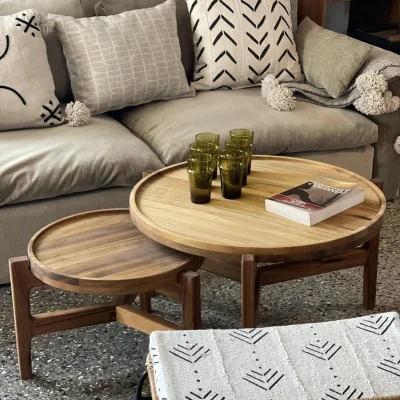
Have you ever walked into a room and felt that something was wrong, but you could not say what? The walls are painted well and the floor is clean, yet the space feels cold, crowded or simply unfinished. In many cases, the problem is the furniture. Pieces that are too big, too small, badly placed or poorly made can spoil even a beautiful room.
This is a common challenge for Ghanaian families today. Homes in Accra, Kumasi, Takoradi and Tamale are changing fast. Many people are building or buying their first house, moving into smaller apartments, or updating a family home for the first time in years. With so many choices, it is easy to buy quickly and regret it later.
This guide explains how thoughtful furniture choices can make your home more comfortable, more practical and more personal. The advice is simple, and you can use it whether you are furnishing one room or an entire house.
Why Furniture Matters More Than You Think
Furniture is not just something to sit on or eat from. It decides how a room works every day. It affects how people move around, where guests gather, how children do their homework and how a family shares meals.
Good furniture does three things well:
- It fits the space. You can walk around it freely without bumping into corners.
- It suits the way you live. A busy family with young children needs different pieces from a couple who often host dinners.
- It lasts. In Ghana’s climate, with heat, humidity and dust, weak materials wear out quickly.
When these three points are met, a home feels calm and well organised. When they are ignored, even expensive pieces can feel out of place.
Start With Your Space, Not the Showroom
The biggest mistake people make is falling in love with a piece before measuring the room. A large sofa may look wonderful in a shop, but it can overwhelm a small living room at home.
Before you shop, do these simple things:
- Measure the room. Write down the length, width and the position of doors and windows.
- Check the entrance. Make sure the furniture can pass through the door and up the stairs. This is often forgotten.
- Think about movement. Leave at least 75 centimetres of walking space around major pieces.
- Decide the room’s main purpose. A living room used for relaxing needs a different layout from one used for entertaining.
A quick sketch on paper can save you a lot of money and stress. Even a rough drawing helps you see whether a piece will really fit.
Why Handmade Furniture Is Worth Considering
Many Ghanaian homes now include handmade furniture Ghana buyers can trust, and there are good reasons for this. Skilled carpenters and craftspeople have worked with local timber for generations. When a piece is made by hand, the maker can pay close attention to joints, finishing and strength.
Here are some practical benefits of choosing handmade furniture Ghana families are turning to:
- Better fit. A piece can be made to your exact measurements, which is very helpful in odd-shaped rooms or smaller homes.
- Strong materials. Properly dried hardwood handles heat and humidity better than cheap boards, which can bend or swell.
- Repair is possible. A solid wooden piece can be sanded, polished or repaired. Many mass-produced items simply have to be thrown away when damaged.
- Local character. Handmade pieces often carry design ideas that reflect Ghanaian culture, such as simple carved details or natural wood tones.
- Support for local skills. Buying from local makers keeps traditional skills alive and supports jobs in your community.
Of course, handmade does not always mean good. Always check the quality before you pay. Look at the joints, press on the surface to test strength, and ask what type of wood was used and how it was dried.
Choosing the Right Dining Table
The dining table is often the heart of the home. It is where families talk, celebrate and share news. Because it is used so often, it deserves careful thought.
Size and Shape
A good rule is to allow about 60 centimetres of table width for each person. A table for six people should therefore be about 180 centimetres long. If your dining area is small, a round table can help because it has no sharp corners and allows easier movement.
Rectangular tables suit long rooms. Round or oval tables work better in square spaces and encourage friendly conversation.
Think About Daily Use
If you have young children, choose a surface that is easy to wipe clean and resists scratches. If you often host relatives, you might want an extendable table that grows when needed and stays compact on normal days.
Buying Locally
If you are looking for a dining table set in Ghana, compare a few options before deciding. Ask about the type of timber, the thickness of the tabletop and whether the chairs are comfortable for long meals. Sit in the chairs if you can. A table that looks lovely but has uncomfortable chairs will quickly become a problem.
For people searching for a dining table Accra Ghana shoppers can rely on, delivery and assembly are worth asking about. Heavy wooden tables can be damaged during transport, so choose a seller who handles delivery with care. Also ask about after-sales support in case you need small repairs later.
The Coffee Table: Small Piece, Big Effect
A coffee table is often chosen last, but it can change the whole look of a living room. It anchors the seating area and gives everyone a place for drinks, books and decorations.
When choosing a coffee table Ghana homes will suit best, keep these tips in mind:
- Match the height to your sofa. The table should be slightly lower than the seat, so people can reach it easily.
- Keep a gap. Leave about 40 centimetres between the sofa and the table for comfortable legroom.
- Choose the shape for your room. Round tables are safer in homes with small children and make tight rooms feel more open.
- Think about storage. A table with a shelf or drawer helps to hide remote controls, magazines and toys.
- Check the surface. A smooth, sealed finish protects the wood from hot cups and spills.
In a small living room, a lighter-looking table with slim legs makes the space feel larger. In a big room, a chunky wooden table can give a feeling of warmth and weight.
Bringing Everything Together
Good interior furniture Ghana homeowners choose is not about filling a room with expensive items. It is about choosing pieces that work together. Here are some easy ideas to help you do this.
Stick to a Simple Colour Plan
Choose two or three main colours and repeat them across the room. Natural wood tones go well with soft whites, warm greys and earthy colours such as terracotta or olive green. A few bright cushions or a colourful rug can then add life without making the room feel messy.
Mix Materials Carefully
Wood, cane, woven fibres, metal and fabric can all work well together. The key is balance. If you already have a heavy wooden dining table, soften the room with light curtains and woven baskets.
Do Not Fill Every Corner
Empty space is also part of good design. A room with breathing space feels calmer and easier to keep clean. This is especially useful in Ghana’s warm climate, where open, airy rooms are more comfortable.
Use Local Touches
Handwoven baskets, kente-inspired cushions, wooden stools and clay pots can add a personal touch. These small items make your home feel like your own instead of a copy of a magazine picture.
Looking After Your Furniture
Even the best furniture needs a little care. These simple habits will help your pieces last for many years:
- Keep wood out of direct sunlight. Strong sun can fade and dry the surface.
- Use coasters and mats. Heat and moisture leave marks on tables.
- Dust regularly. Harmattan dust settles quickly and can scratch surfaces if left too long.
- Wipe spills at once. Do not let water sit on wood.
- Polish occasionally. A light coat of suitable wood polish keeps the surface healthy.
- Check for termites. Small holes or fine powder near wooden legs are warning signs, so act early.
A Simple Checklist Before You Buy
Before you commit to any furniture purchase, ask yourself:
- Have I measured the room and the doorway?
- Will this piece suit how my family really lives?
- What material is it made of, and will it handle our climate?
- Is it comfortable when I sit or use it?
- Can it be repaired if something goes wrong?
- Does it fit my budget without forcing me to compromise on quality?
If you can answer yes to most of these, you are probably making a sound choice.
Conclusion
A home does not become beautiful by accident. It happens through small, steady decisions: measuring carefully, choosing durable materials, thinking about daily habits and adding personal touches along the way. You do not have to furnish everything at once. Start with one important piece, such as a dining table or a coffee table, and build slowly. Each good decision makes the next one easier.
Thoughtful furniture choices can turn an ordinary house into a place where your family feels comfortable and proud. Take your time, ask questions and choose pieces that will serve you well for years.
If you would like to see examples of well-made handmade pieces for your own space, you are welcome to browse the collection at Bonobo Concept Store and get ideas for your next project.