Sign up with Google
 Sign in with Zoho

Some places don’t just follow style, they give it a pulse, and the Caribbean is one of them. Over centuries, African, Indigenous, European and Indian influences have all met there and settled into a look that’s joyful, confident and honestly very easy to wear. Caribbean fashion isn’t a holiday mood board anymore. You can see it on runways, in street style, in what people pull out of their wardrobes on an ordinary Tuesday.
A Heritage Woven From Many Threads
West African textile traditions travelled across the Atlantic and changed how fabric gets wrapped, tied and layered. Madras checks arrived through colonial trade routes, and island communities took them and made them completely their own. Indian families who settled in Trinidad and Guyana brought embroidery, flowing silhouettes and a real love of adornment. None of it faded out. Every influence stayed, shifted a little, and mixed with the rest. That habit of blending is a big reason Caribbean fashion keeps finding new audiences.
The Palette That Started a Thousand Trends
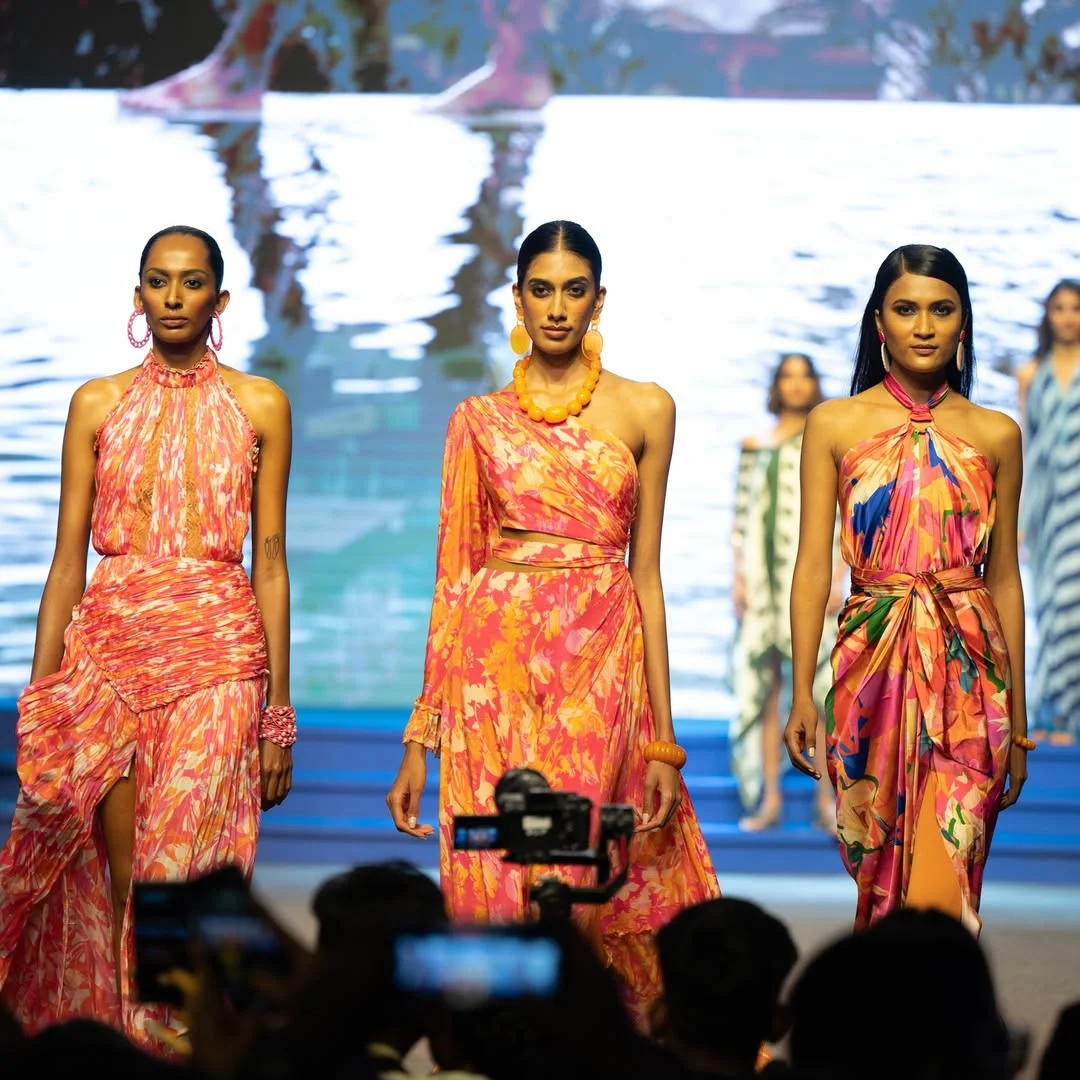
Colour is where you notice it first. Caribbean colours come straight from the landscape: shallow turquoise water, hibiscus pink, the yellow of a ripe mango, deep palm green, and that orange you get when the sun drops into the sea. These shades don’t whisper. They’re meant to be felt.
Designers have noticed. Colour blocking and odd pairings, like coral with cobalt or lime with magenta, echo how these colours already sit together outdoors. Nothing in nature is “matched,” yet everything looks like it belongs.
If you want to try it, pick one hero shade and let it lead. A sunshine-yellow scarf or a bold turquoise earring can wake up a plain neutral outfit in seconds.
Carnival, Craft and Confident Silhouettes
Carnival is probably the clearest example of culture turning into couture. Feathers, sequins, beadwork and sculpted headpieces make the body a canvas, and that sense of theatre has slipped into modern design through dramatic sleeves, embellished edges and cuts built for movement.
Day to day, Caribbean style clothing has the same confidence, just more relaxed. Think breathable linen and cotton, loose wraps, wide-leg trousers, hand-dyed fabrics that move with the breeze. Comfort doesn’t compete with glamour here, it’s part of it. It’s also why these pieces go from a morning on the beach to an evening out with just a change of accessories.
Dresses That Move With You
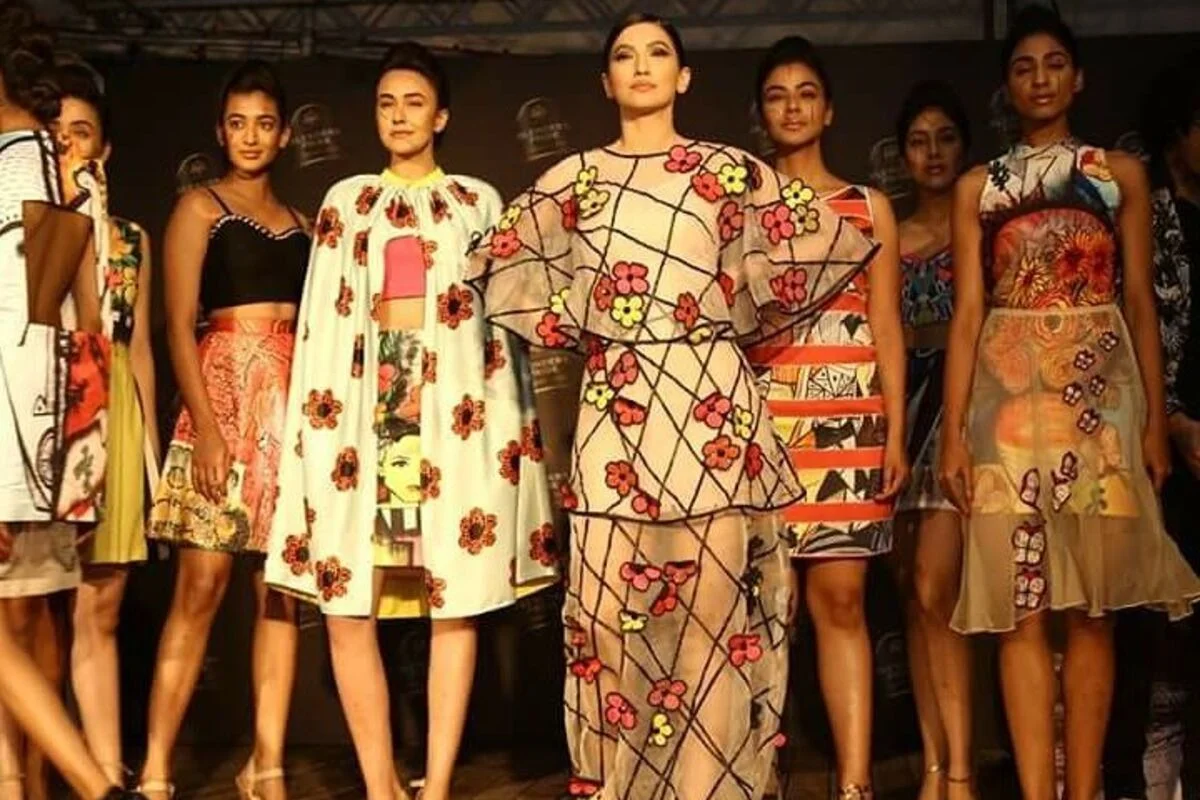
If one garment sums up the heritage, it’s the dress. Caribbean style dresses are loved for their fluid shapes: tiered maxis, off-shoulder cuts, wraps, ruffled hems that catch the wind. Prints run from tropical florals and Madras-inspired checks to abstract brushstrokes in bright colour.
When you’re shopping for one, look at the fabric and how it falls. Lightweight cotton, rayon and silk blends stay comfortable, and a cinched waist gives a bit of structure. Wear it with a woven bag and flat sandals for the day, or add some gold when evening comes.
Where Heritage Meets the Runway
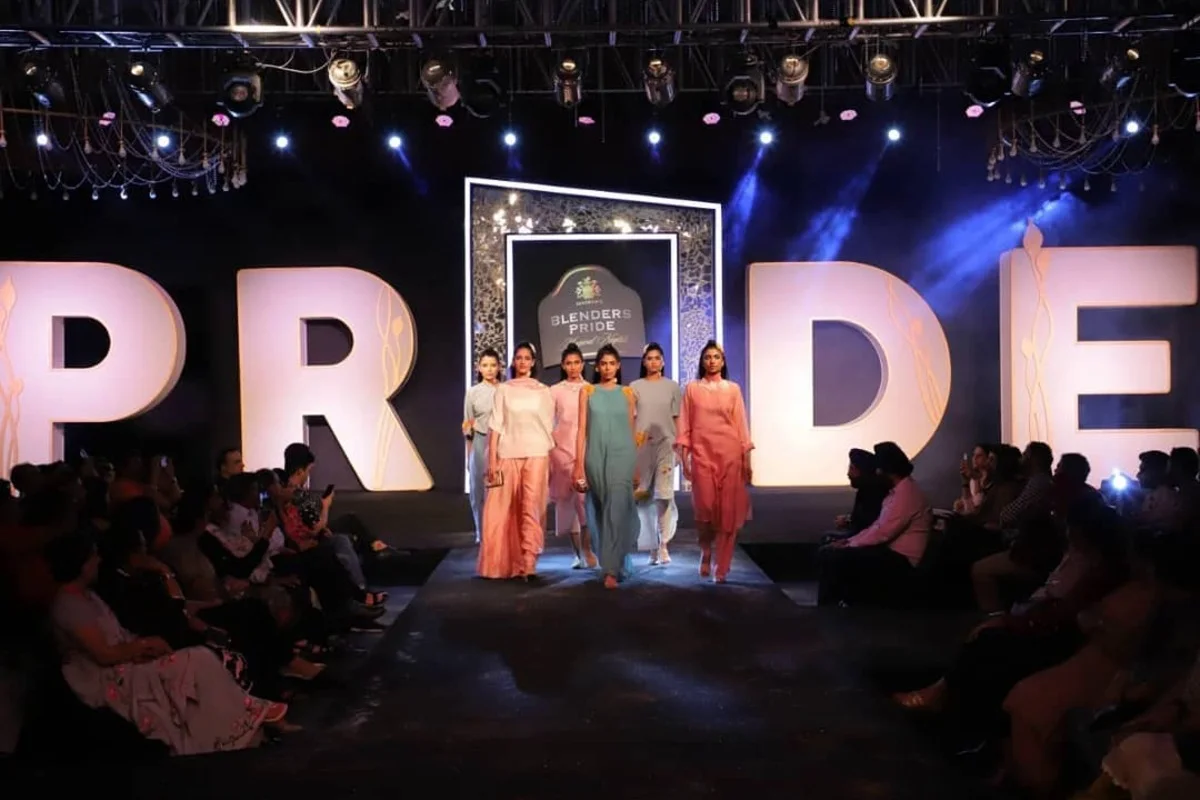
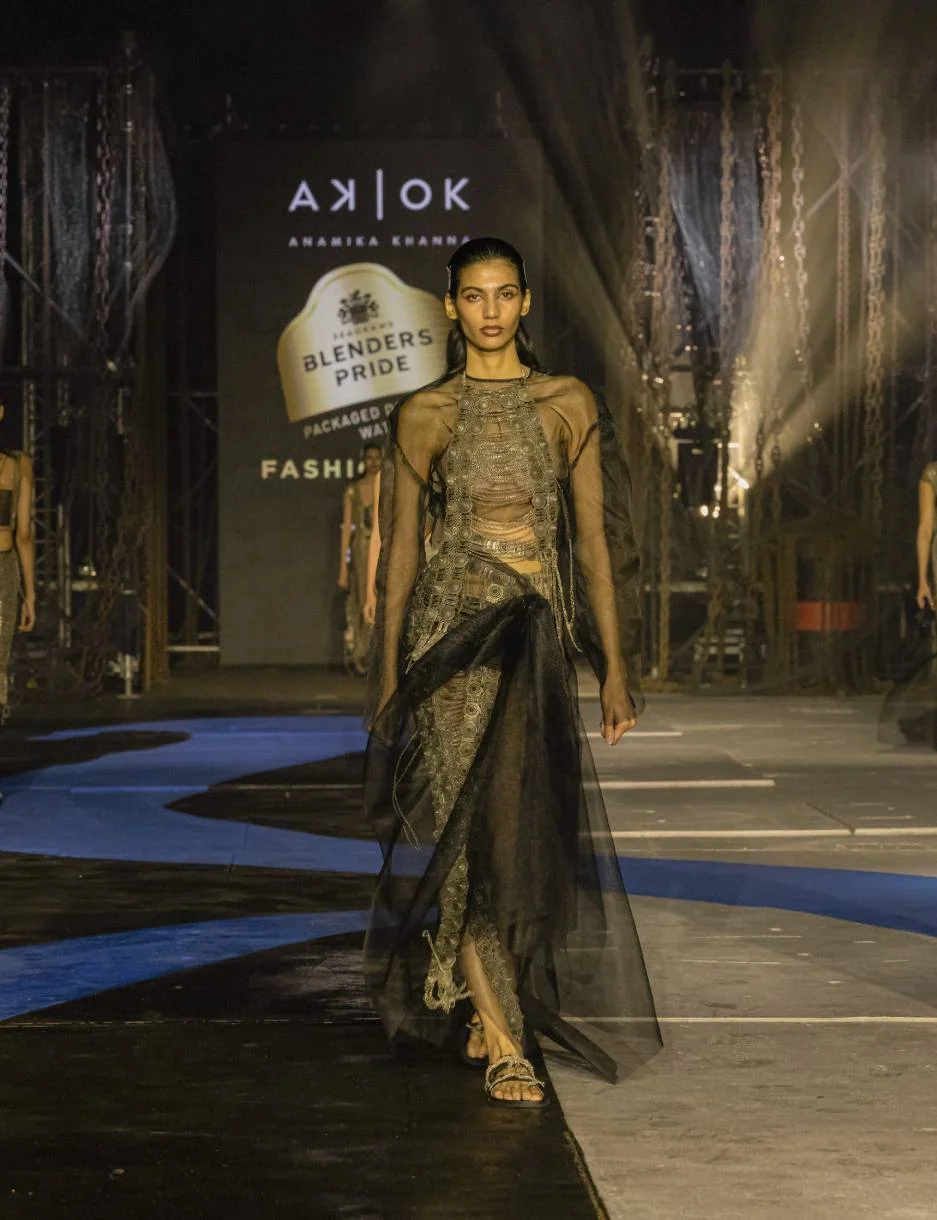
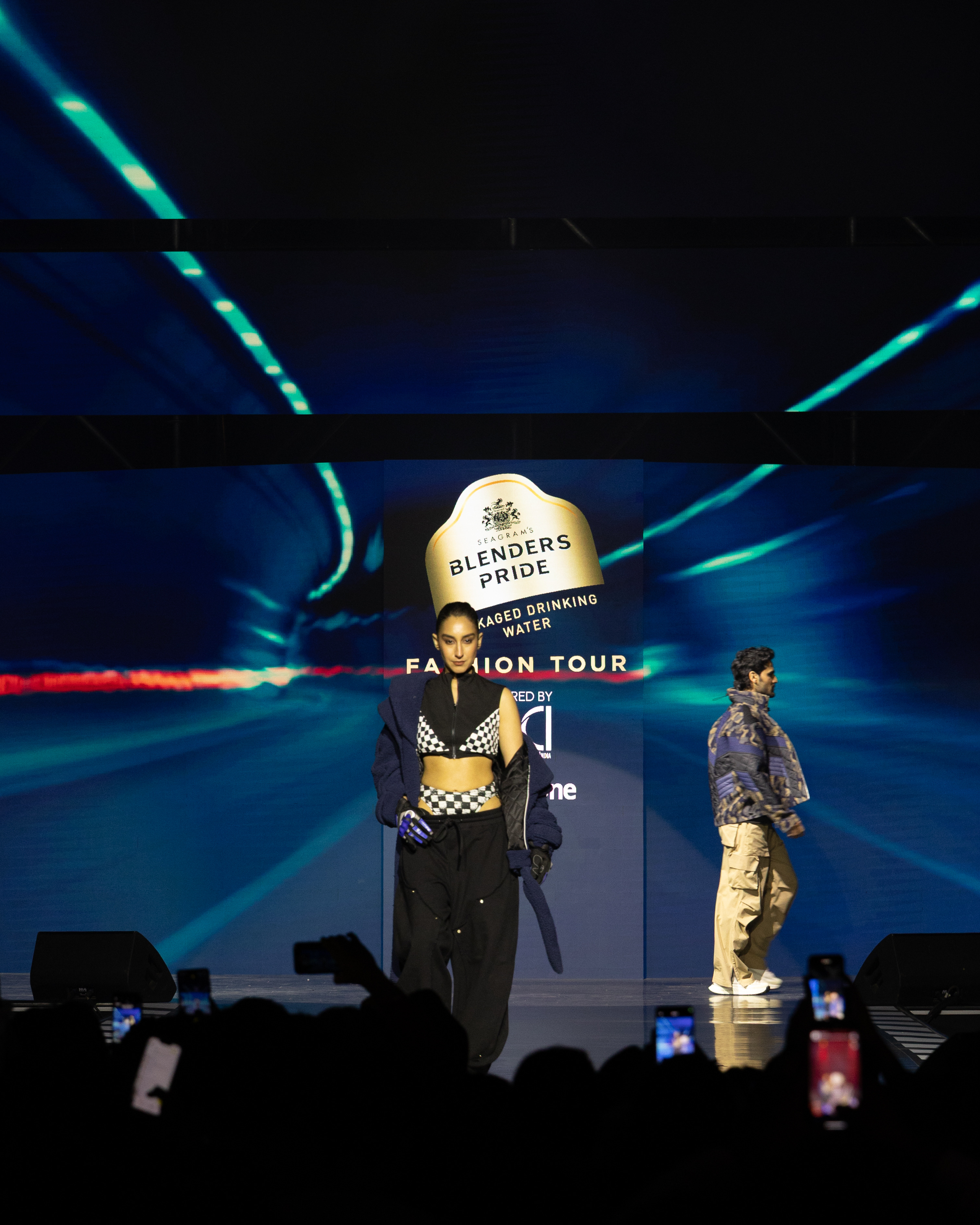
This idea of cultural blending matters in fashion right now, and few platforms reflect it as well as the Blenders Pride Fashion Tour. Known across India as “The One and Only” stage for creativity, individuality and timeless expression, the Tour treats fashion as a movement, not a moment.
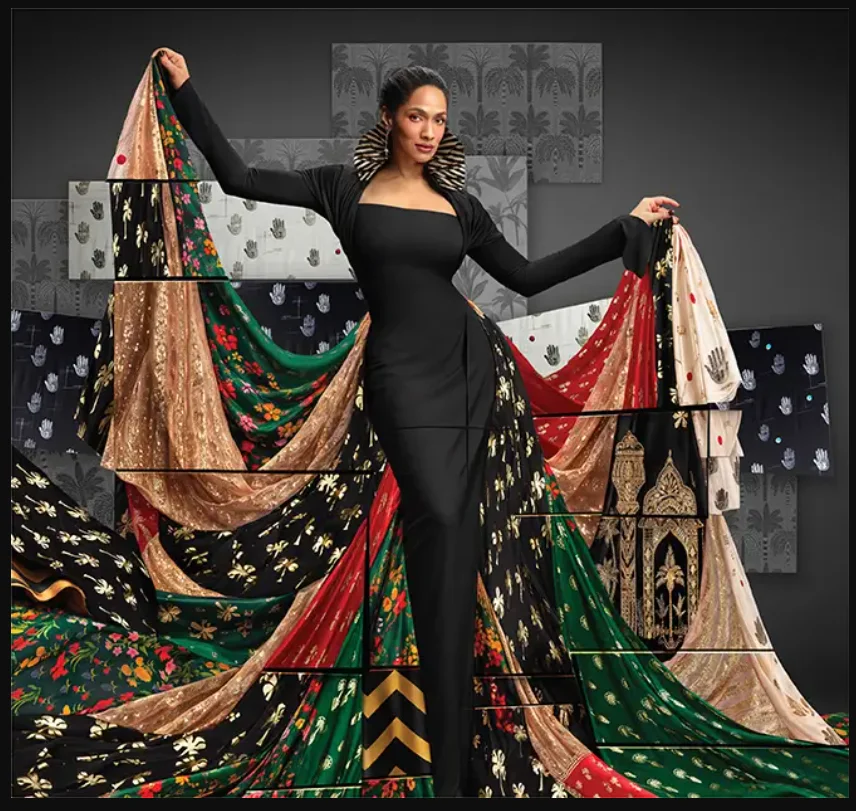
That spirit is front and centre in the Masaba Gupta show at Blenders Pride Fashion Tour 2026 in Mumbai, themed “Forever Blending Forever Becoming.” Masaba is known for fearless colour, playful prints and a point of view that’s entirely her own, so the theme suits her well, especially if you’re curious how heritage keeps evolving. The best contemporary design works the same way, borrowing and blending until it becomes something new. Expect bold colour, expressive prints and craft-led storytelling.