Sign up with Google
 Sign in with Zoho

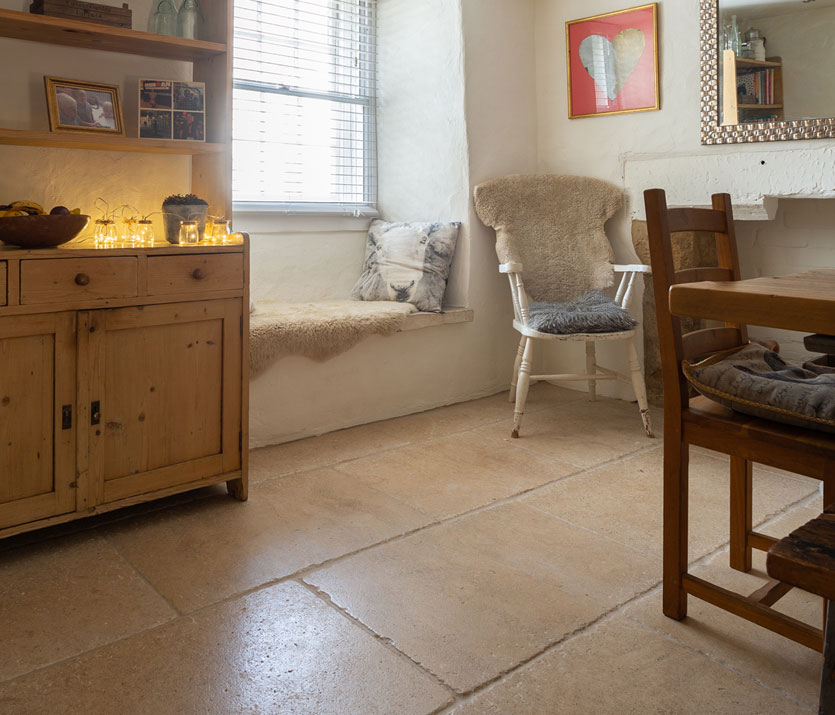
Stone flooring has a way of changing how a space feels the moment you walk in. It’s not just about looks. It’s about how it handles daily life, like foot traffic, spills, muddy shoes, all of it.
But here’s the thing. Not every stone works everywhere. Some are better for busy kitchens. Others suit quiet living rooms. And a few are made for the outdoors, where the British weather does its thing year-round.
If you’re trying to figure out what actually works (and where), this will help you make a clear decision without overthinking it.
Why Stone Flooring Still Works in Modern Homes
There’s a reason people keep coming back to stone tiles. They last, they age well, and they don’t go out of style every few years.
You’ll also notice that natural stone tiles for floor use don’t look identical. That slight variation in colour and texture is what gives them character. No two floors feel copy-pasted. That said, each type behaves differently. So let’s get into the ones that matter most.
Top 7 Stone Flooring Types for Your Home
Let’s talk about the top 7 stone flooring types.
1. Limestone Flooring: Reliable and Easy to Live With
If you want something that just works across most rooms, limestone is usually the starting point. It’s soft in appearance, not too busy, and fits into both classic and modern interiors without trying too hard. You’ll see it in a lot of stone kitchen flooring setups for that reason.
There are a few directions you can take with it. Smooth finishes feel more contemporary. Aged versions bring in a slightly worn, relaxed look. Grey limestone floors lean more modern, while warmer tones feel traditional.
Best places to use limestone flooring:
- Kitchens
- Hallways
- Open-plan living areas
It’s also a solid choice if you’ve got underfloor heating. Just keep it sealed properly, and it’ll handle everyday use without fuss.
2. Aged Stone Tiles: When You Don’t Want a Perfect Finish
Some floors look better when they’re not too polished. Aged stone tiles are designed with that in mind. The edges are softened, the surface has a bit of texture, and the overall look feels settled rather than brand new.
This is the kind of flooring that suits homes where you don’t want everything to feel sharp or overly styled.
Best places to use aged stone tiles:
- Country kitchens
- Cottage-style interiors
- Spaces with wooden furniture or beams
They’re forgiving as well. Marks and wear tend to blend in rather than stand out.
3. Cotswold Style Flagstones: Classic Look Without the Hassle
Cotswold-style flagstones are a convenient choice when you like the appearance of the traditional flagstones but do not want the inconveniences associated with using a reclaimed stone.
They give you that familiar British feel: larger pieces, soft tones, slightly irregular patterns, but in a format that’s easier to install and maintain.
Best places to use Cotswold-style stone flooring:
- Kitchens with an open layout
- Dining spaces
- Older properties where you want to keep the character
They also work well if you’re planning to connect indoor flooring with outdoor paving.
4. Grey Limestone Floors: Clean, Simple, and Modern
Not everyone wants warm tones. Grey limestone floors offer something a bit sharper and more minimal. They work nicely in modern homes where you’ve got neutral colours, clean lines, and less clutter.
They’re also practical. Dust and everyday marks don’t show up as easily as they might on lighter stones.
Best places to use grey stone flooring:
- Contemporary kitchens
- Bathrooms
- Minimalist living spaces
If you’re aiming for a more understated look, this is one of the safer choices.
5. Natural Stone Tiles Under Budget: Keeping Costs in Check
Budget matters. Especially if you’re covering a large area. The good news is you can still get proper stone tiles without pushing the cost too far. There are ranges of natural stone tiles for floor use that stay under £47 and still hold up well over time.
You’re not getting a “cheap” look either. The finish still feels natural, and once it’s laid, it blends in just as well as higher-end options.
Best places to use budget-friendly stone tiles:
- Full home renovations
- Rental properties
- Larger kitchen or living areas
It’s a practical route if you want the look of stone flooring without stretching the budget.
6. Indoor to Outdoor Stone Flooring: One Continuous Flow
A lot of homes now are being designed to open up into the garden. Bifold doors, extended kitchens, that kind of thing. Using the same or matching stone tiles inside and outside makes that transition feel natural. It doesn’t break the space visually.
The indoor tiles are usually paired with thicker outdoor versions, so everything lines up properly but still handles the weather outside.
Best places to use indoor to outdoor stone:
- Kitchen extensions
- Garden-facing living areas
- Patio connections
It’s one of those details that makes a home feel more considered.
7. Outdoor Stone Paving: Built to Handle the Weather
Outdoor flooring has a different job. It must be able to withstand rain, frost, dirt and frequent use without being slippery or getting worn out easily. Natural stone paving does that well.
Over time, it actually improves in appearance. The surface settles, the colour softens slightly, and it starts to feel like part of the garden rather than something newly added.
Best places to use outdoor stone tiles:
- Patios
- Garden pathways
- Seating areas
You can also pair it with stone steps and coping stones to keep everything consistent.
How to Choose the Right Stone Flooring for Each Room
At this point, it’s less about what looks best and more about what fits how you use each space. Here’s a straightforward way to think about it:
- For everyday use in busy areas, limestone is a safe option
- If you prefer a softer, worn-in look, aged stone tiles work well
- For a traditional feel, Cotswold-style flagstones are a good fit
- If your home leans modern, grey limestone keeps things clean
- Working within a budget? Go for stone tiles under £47
- Want that indoor-outdoor flow? Choose matching stone ranges
- For gardens, stick with proper outdoor paving
It doesn’t need to be complicated. Match the stone to the way the space is used.
Final Thoughts
Stone flooring isn’t a quick trend. It’s something you choose once and live with for years.
That’s why it’s worth getting it right. Whether you’re planning a new kitchen, updating your living space, or sorting out the garden, there’s a type of stone that fits the job. The key is knowing where each one works best.
Take your time with it. Look at how each room is used day to day. Once that’s clear, the right choice tends to follow naturally.





.webp)