Sign up with Google
 Sign in with Zoho

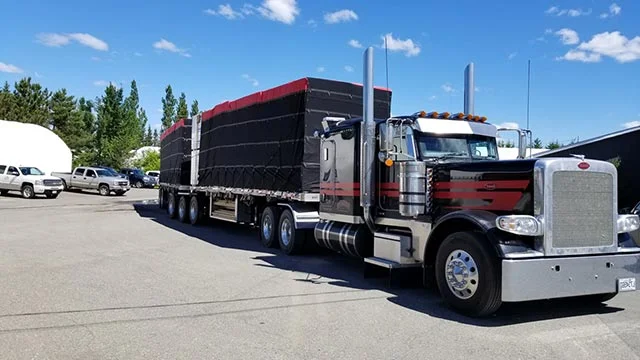
Transporting goods by truck involves a lot more than loading cargo and driving to the destination. Drivers and fleet operators have to think about weather, road conditions, cargo movement, safety requirements, and the possibility of damage along the way. A properly chosen truck tarp goes a long way here — it gives loads a real layer of protection and cuts down on a lot of the common risks that come with hauling freight.
Truck tarps protect cargo from rain, dust, wind, sunlight, road debris, and pretty much anything else the road throws at it. Trucking companies, construction businesses, farmers, equipment transporters, and independent drivers all rely on them. Since loads vary so much in size, shape, weight, and material, picking a tarp that actually matches the job matters more than people sometimes realize.
Good tarps make cargo transportation safer and easier to manage simply by creating a barrier between the load and whatever's happening outside. A durable tarp keeps water off sensitive materials, keeps loose items from shifting around, and limits how much dirt and debris the cargo picks up along the way. Businesses hauling valuable goods on a regular basis benefit from working with dependable suppliers — places like Best Tarps offer a range of options depending on what you're hauling.
Why Cargo Protection Matters During Transportation
Cargo runs into plenty of challenges on highways, local roads, and construction routes. Even a short trip can expose materials to changing weather. Rain can ruin lumber, equipment, furniture, steel products, and packaged goods. Strong wind can shift lightweight items around, and dust and road debris can affect anything left exposed.
A truck tarp helps cut down on all of this by keeping the load covered for the whole trip. It also gives drivers some peace of mind on longer hauls, especially when conditions are unpredictable or the route passes through a few different climates.
It's not just about rain or snow, either. Constant sun exposure takes its toll too — UV rays can weaken packaging, fade surfaces, and slowly break down sensitive products. A good tarp cuts down on that direct exposure and helps the cargo arrive in the shape it left in.
Common Types of Truck Tarps
Different jobs call for different tarp materials and designs. Heavy-duty vinyl tarps are a common choice when durability and water resistance really matter — they hold up well under frequent use and rough road conditions, which makes them popular for commercial trucking.
Mesh tarps serve a different purpose. Rather than blocking airflow completely, mesh lets air pass through while still keeping loose material contained. These work well for landscaping debris, agricultural products, gravel, and other loads that don't need full waterproof coverage.
Canvas tarps have their place too. They breathe well and can help when moisture buildup underneath the tarp is a concern. That said, the right choice really comes down to what's being hauled and what conditions the load will face along the way.
There's more to think about than just material, though. Size, weight, reinforced edges, seams, attachment points, and overall build quality all affect how well a tarp actually performs. Too small, and part of the load stays exposed. Too large, and it becomes a hassle to secure properly.
Choosing the Right Tarp for the Load
Picking a truck tarp starts with understanding the cargo itself — its dimensions, shape, surface, and how sensitive it is to weather. Sharp corners or metal edges often need extra protection so they don't wear through the tarp while the truck is moving.
Tarp weight should match the job too. A lightweight tarp is fine for occasional use, but commercial hauling usually calls for something stronger, built to handle repeated exposure to wind, friction, and shifting weather. Reinforced hems and solid attachment points make securing the cover easier and tend to add real years to its working life.
For open trailer operations, flatbed truck tarps are especially useful, since flatbed loads — machinery, building supplies, lumber, steel, oversized equipment — stay exposed the whole trip. A tarp built for flatbed use makes it much easier to cover irregular loads while still holding up to highway travel. It's worth measuring the cargo carefully and getting enough coverage for the top, sides, and any exposed areas, without ending up with a bunch of excess loose material.
Proper Tarp Installation Improves Safety
Even the best tarp won't do its job if it's put on wrong. Before covering the load, drivers should check that the cargo is positioned and secured properly to begin with — a tarp is never a substitute for proper load securement.
Once the cargo is secure, the tarp goes on evenly across the load. It's worth checking for sharp objects that could puncture the material, and adding edge protectors or padding over corners where needed. From there, straps, bungees, ropes, or whatever fastening system fits the job should be used to keep everything tight and stable.
Loose sections of tarp can flap hard at highway speeds. That's not just wear and tear — it can also cut down on visibility or create a real safety issue on the road. Spending a few extra minutes checking tension and attachment points before pulling out can save a lot of trouble later.
It's also worth inspecting the tarp during longer trips, especially after strong winds, heavy rain, or rough roads. Fuel and rest stops are a natural time to double-check that everything's still secure.
Maintenance Can Extend Tarp Life
Truck tarps take a beating, so routine maintenance really does matter. After each use, it's worth checking the material for small holes, weak seams, worn edges, or damaged attachment points. Minor damage is a lot easier to fix before it turns into a bigger tear.
Cleaning matters too. Dirt, mud, road salt, and oils tend to stick around on the tarp after a trip, so cleaning it according to the manufacturer's recommendations helps keep the material in good shape. It's also a good idea to let the tarp dry fully before storing it long-term — trapped moisture can lead to mold, odors, or the material breaking down faster than it should.
Storage matters just as much. Folding or rolling the tarp and keeping it somewhere clean and dry protects it when it's not in use. It's also worth avoiding stacking sharp tools or heavy equipment directly on top of stored tarps.
The Value of Investing in Quality Truck Tarps
A high-quality tarp pays off over time for drivers and transportation companies alike. A dependable cover cuts down on cargo damage, supports smoother deliveries, and saves the repeated cost of replacing cheap tarps that wear out fast.
Durable tarps also make everyday use a lot easier. Reinforced attachment areas, strong seams, the right sizing, and materials built for outdoor conditions all add up to a tarp that's easier to cover and uncover load after load.
Price obviously matters, but it shouldn't be the only thing driving the decision. A cheaper tarp upfront can end up costing more if it tears easily or doesn't hold up to the job. Comparing build quality, material, intended use, and expected durability tends to lead to a better decision in the long run.
Final Thoughts
Truck tarps are a practical, everyday part of responsible cargo transportation. They protect loads from rain, sun, dirt, wind, and everything else that can affect goods in transit — and the right tarp supports safer, more organized hauling overall.
Drivers and fleet managers are better off choosing tarps based on the actual cargo being hauled, rather than relying on one type of cover for every job. Paying attention to material, size, strength, attachment options, and weather resistance makes a real difference in how well a tarp performs.
Regular inspections, correct installation, and proper storage all help extend a tarp's useful life even further. When cargo protection becomes a real part of the process — not an afterthought — businesses see less avoidable damage and deliver goods in better condition overall.
For trucking professionals hauling exposed cargo on a regular basis, investing in a reliable tarp is simply a smart business decision. A well-made tarp protects the load on the road, supports safer hauling, and helps make sure valuable cargo shows up in the condition customers expect.