Sign up with Google
 Sign in with Zoho
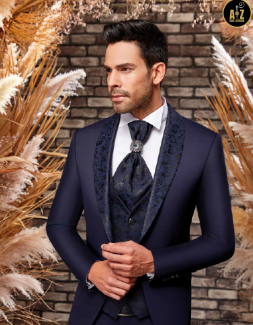
A dinner suit is defined as much by its fabric as by its cut. Even the most precise dinner suit alteration can only perform as well as the cloth allows. The right material affects how the jacket drapes, how the trousers hold their crease, how comfortable the suit feels under evening lighting, and how well it survives repeated wear. Tailoring specialists consistently recommend choosing fabric first, because alterations such as tapering sleeves, adjusting lapels, refining trouser width, or reshaping shoulders all depend on how the material behaves under the needle.
For anyone investing in eveningwear, understanding fabric choices helps ensure the final suit feels refined, durable, and appropriate for formal occasions.
Wool Remains the Most Reliable Choice
Wool continues to be the most trusted fabric for dinner suits because it offers balance across comfort, durability, and elegance. Fine wool drapes naturally, resists wrinkles, and adapts well to year-round wear. Tailoring guides note that wool remains the foundation of formal eveningwear because it responds well to shaping and retains a clean line after alterations.
For alterations, wool is ideal because seams can be adjusted cleanly without damaging the finish. Sleeve narrowing, waist suppression, and trouser tapering all work especially well in quality wool cloth.
If you are searching for a custom made dinner suit near me, wool is often the safest starting point because it combines classic appearance with practical tailoring flexibility.
Barathea Wool for Traditional Black-Tie Elegance
Barathea wool is considered one of the most formal options for dinner jackets and tuxedos. It has a subtle textured weave with a matte finish that absorbs light beautifully, creating a deep, sophisticated black tone.
Tailoring experts often recommend barathea for classic black-tie garments because it creates a clean silhouette without excessive shine. It also works exceptionally well with satin lapels and formal trousers.
For dinner suit alterations, barathea allows lapel refinements and shoulder shaping while maintaining the traditional formal appearance many clients want for weddings, galas, and evening receptions.
Mohair Blends for Sharp Structure
Mohair has become one of the most respected fabrics for modern formal tailoring. Usually blended with wool, it gives the suit a crisp finish, subtle sheen, and excellent wrinkle resistance.
Tailoring references note that mohair performs particularly well under evening lights because it catches light gently without looking glossy. It also holds trouser creases extremely well, making it ideal for long events where sharpness matters.
Recent tailoring discussions also show a strong preference for higher mohair blends when clients want a sharper tuxedo line, especially for formal evening events.
A custom made dinner suit Luton service often recommends wool-mohair blends when clients need a suit that remains structured throughout weddings, receptions, or black-tie events.
Velvet for Statement Dinner Jackets
Velvet has become one of the strongest style choices for eveningwear when the goal is personality and luxury. Red-carpet trends continue to feature midnight blue, burgundy, emerald, and black velvet dinner jackets because they add texture without compromising formality. Recent formalwear coverage shows velvet dominating many modern evening tailoring looks.
Velvet is usually best reserved for the jacket while trousers remain plain wool. This prevents the outfit from becoming visually heavy.
However, velvet requires skilled tailoring because incorrect fabric weight or stretch can create seam bulk and distortion. Tailoring discussions repeatedly emphasise that the velvet quality must be selected carefully for alterations to succeed cleanly.
Silk Blends for Refined Shine
Silk-blend suiting is ideal for those who want subtle luxury. Mixed with wool, silk creates a softer handfeel and a gentle sheen that works beautifully under indoor lighting.
Recent bespoke tailoring examples show wool-silk combinations used in formal dinner jackets because they deliver elegance without appearing overly glossy. High-end ivory dinner jackets often use silk blends to improve light reflection in photographs.
Silk blends are especially effective for lapels, contrast dinner jackets, and special occasion tailoring where refinement is the priority.
High-Twist Wool for Frequent Wear
High-twist wool is excellent for clients who attend multiple formal events and want a fabric that resists creasing.
Because the fibres are tightly twisted, the cloth stays crisp even after hours of sitting, standing, and travel. Tailoring specialists recommend this fabric for eveningwear that must remain polished across long receptions or business dinners.
This fabric also responds well to repeated alterations because it holds stitch lines firmly.
Fabric Choice Should Match the Alteration Goal
Not every alteration works equally across all fabrics. That is why fabric selection should always be discussed before major alterations begin.
A professional tailor will assess whether the cloth supports lapel reshaping, sleeve shortening, trouser tapering, or jacket suppression without compromising the finish. For example:
- Velvet requires delicate seam handling
- Mohair needs precise pressing temperatures
- Silk blends demand careful needle selection
- Wool allows the widest range of structural changes
Why Professional Tailoring Matters
When working with premium evening fabrics, expert handling becomes essential. A & Z Tailor & Alteration in Luton handles formalwear alterations and custom tailoring, with experience across wool, velvet, silk blends, and structured dinner suits. Their fitting process allows clients to refine shoulder balance, jacket waist shape, trouser break, and sleeve proportions according to fabric behaviour.
This is particularly valuable for clients seeking custom made dinner suit Hitchin services where perfect fit matters as much as fabric quality.
Final Thoughts
The best dinner suit fabric is the one that supports both your event and your tailoring goals. Wool remains the most versatile choice, barathea delivers timeless black-tie elegance, mohair adds structure, velvet offers texture, and silk blends create understated luxury.
When choosing fabric for dinner suit alteration, always think beyond appearance—consider drape, comfort, crease resistance, and how well the cloth responds to tailoring. A professionally altered suit in the right fabric not only fits better but carries far more confidence in every formal setting.