Sign up with Google
 Sign in with Zoho
Drain Unblocking Bournemouth: What Every Homeowner Should Know
Nobody thinks about their drains until something goes wrong. Then, suddenly, it's the only thing on your mind.
A slow sink, a bad smell, or water pooling in the garden can turn a normal day upside down. The good news is that most drainage problems have clear causes and simple fixes. Understanding what leads to a blocked drain can save you time, stress, and money.
This guide covers the common causes of drain blockages, how to spot early warning signs, and what you can do before calling in a professional.
Why Drains Get Blocked in the First Place
Drains handle a lot more than most people realise. Every day, they carry away water, waste, and whatever gets washed down sinks, toilets, and outside drains.
Over time, small amounts of debris build up inside the pipes. This build-up narrows the space water can flow through, and eventually it stops flowing altogether.
Common Causes of Blocked Drains
A few culprits show up again and again:
- Fat, oil, and grease – These substances seem harmless when liquid, but they harden as they cool. Over weeks, they coat the inside of pipes like wax.
- Hair and soap scum – Bathroom drains are especially prone to this combination, which clumps together and traps other debris.
- Wet wipes and sanitary products – These do not break down the way toilet paper does, and they are one of the leading causes of toilet blockages.
- Tree roots – Roots search for moisture and can grow into small cracks in outdoor pipework, especially in older properties.
- Leaves and garden debris – Autumn brings a surge of blocked outdoor drains as leaves collect in gutters and gullies.
Bournemouth's mix of older housing stock and coastal weather means both indoor and outdoor drainage systems face extra strain throughout the year.
Early Warning Signs You Shouldn't Ignore
Blockages rarely happen overnight. Most build up slowly, giving you a chance to catch them early.
Watch out for these signals:
- Slow draining water. If your sink or bath takes longer than usual to empty, something is likely restricting the flow.
- Gurgling sounds. Strange noises from your pipes often mean air is trapped behind a partial blockage.
- Unpleasant odours. A persistent smell near a sink, drain, or toilet usually points to trapped waste that isn't clearing properly.
- Water backing up. If water rises in one fixture when you use another, such as a toilet gurgling when the washing machine drains, this suggests a shared pipe is partially blocked.
Catching these signs early often means the difference between a quick fix and a costly repair.
Simple Steps to Try Before Calling for Help
Not every blockage needs a professional straight away. A few simple methods can clear minor clogs.
- Boiling Water
For a mild blockage caused by grease or soap, pour boiling water down the drain in two or three stages, waiting a few seconds between each pour. This can soften and shift the build-up.
- Baking Soda and Vinegar
This natural combination creates a fizzing reaction that can help loosen debris. Pour half a cup of baking soda down the drain, follow with half a cup of vinegar, then leave it for fifteen minutes before flushing with hot water.
- A Plunger
A standard sink plunger works well for both sinks and toilets. Make sure there's enough water to cover the plunger head, then push and pull firmly several times.
- Drain Snake or Wire Hanger
A drain snake, or a straightened wire coat hanger with a small hook on the end, can pull out hair and debris from just below the surface.
If these methods don't work, it's a sign the blockage is deeper or more stubborn than a home remedy can handle.
When to Call a Professional
Some blockages are beyond DIY solutions. If water keeps backing up, if the smell doesn't go away, or if multiple drains in the house are affected at once, it's time to bring in an expert.
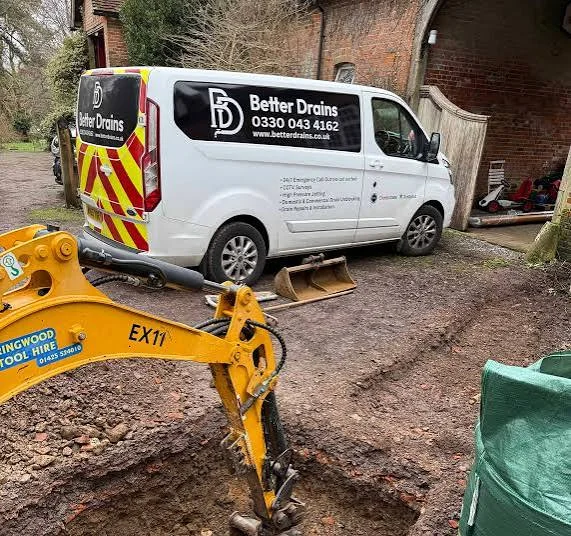
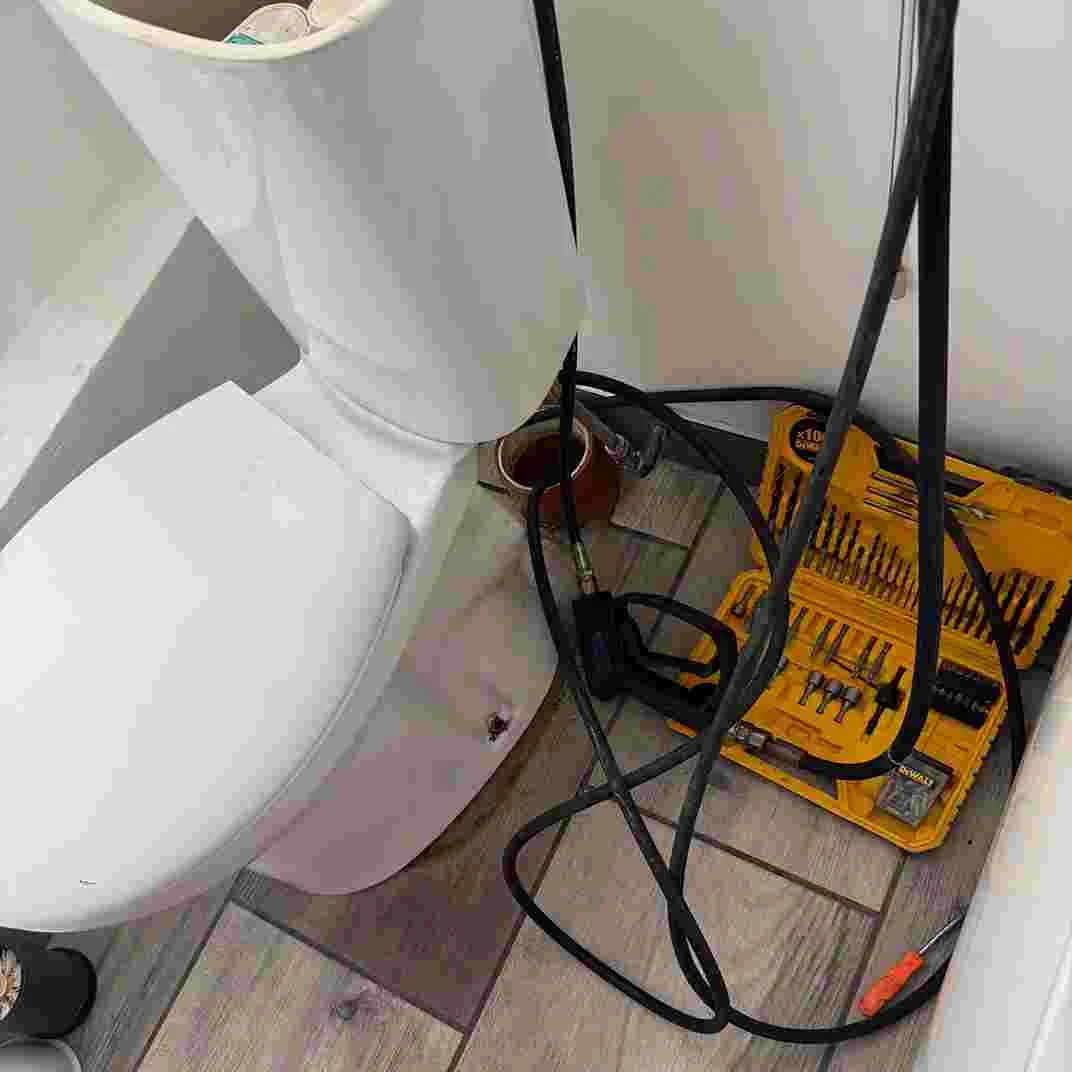
Persistent problems can point to something more serious, such as a collapsed pipe, a major root intrusion, or a blockage deep within the main sewer line. Professionals use tools like drain cameras and high-pressure jetting equipment to find and clear blockages that home methods simply cannot reach.
Regular maintenance can help prevent many common drainage problems. Homeowners can learn more about blocked drains and how to keep pipes clear by looking into professional guidance suited to their property.
Preventing Future Blockages
Prevention is always easier than the cure. A few small habits can keep your drains running smoothly for years.
Scrape food scraps into the bin instead of the sink, and let cooking fat cool and solidify before throwing it away. Use a drain guard to catch hair in the bathroom, and clean it out weekly.
Avoid flushing anything other than toilet paper, no matter what a packet claims about being "flushable." And if you have trees near outdoor pipework, keep an eye out for slow drainage that might signal root growth.
For homes in Bournemouth and across Dorset, seasonal checks are worth the effort. Coastal weather brings heavy rain and falling leaves, both of which put extra pressure on outdoor drainage systems.
Bottom line
Blocked drains are one of those household problems that seem small until they're not. The causes are usually simple: fat, hair, wipes, or debris building up over time. Spotting the early signs and acting on them quickly can save you from bigger repairs down the line.
Simple home remedies work for minor blockages, but don't hesitate to call in a professional when the problem persists. A little regular care goes a long way toward keeping your drains, and your home, running smoothly.
Dealing with a blocked drain in Bournemouth? Don’t let a small blockage turn into a bigger problem. Get professional drain unblocking help today and keep your home’s drainage system flowing smoothly.