Sign up with Google
 Sign in with Zoho

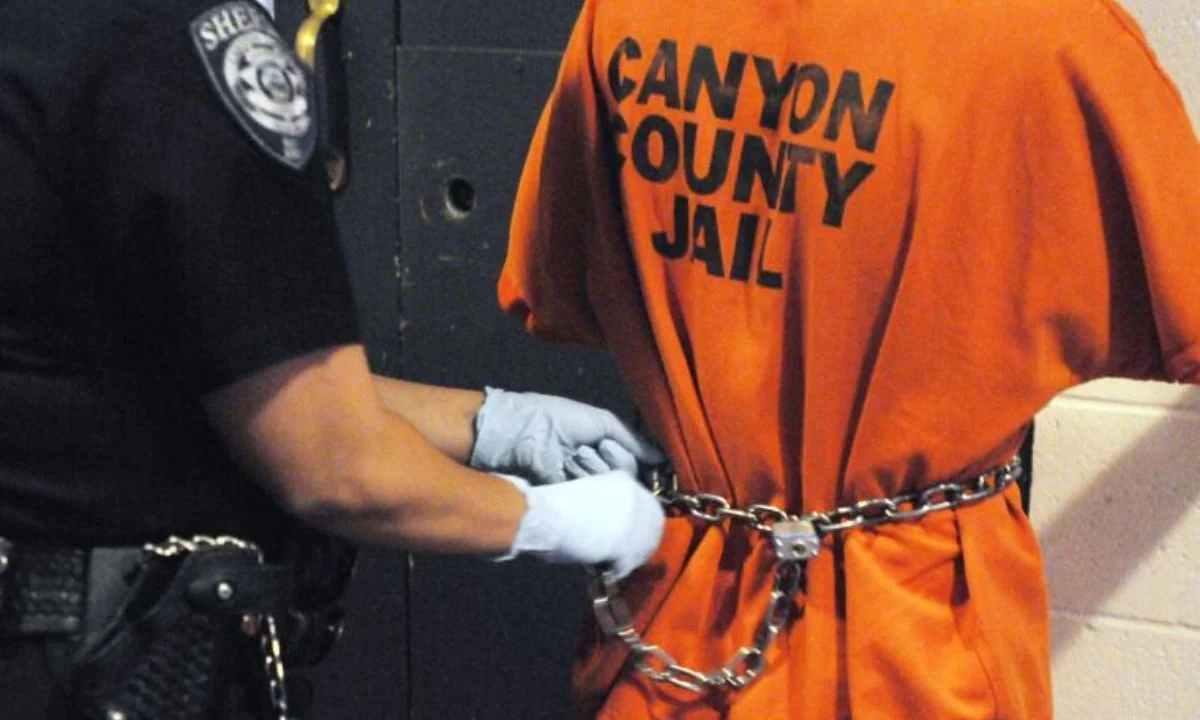
Getting a call that someone you love has been arrested is scary. Your mind races. You want them home, and you want it fast. That's usually when people first hear about 1% bail bonds, a way to post bail without draining a bank account. But 2026 has brought real changes to California's bail rules, and if you're counting on this option, you should know what's shifting before you sign anything.
This guide breaks down what actually are, how two new California bills could shape the process, and what steps to expect if you go this route.
What are 1% Bail Bonds?
A 1% bail bond lets you pay just 1% of the total bail amount instead of the usual 10% that most bail agents charge. So if bail is set at $50,000, a standard bond would cost $5,000 upfront. With a 1% bond, you'd pay $500.
That sounds almost too good to pass up, and for many families, it is the difference between bringing someone home today and waiting for weeks while they are behind bars. But there's a catch worth understanding: agencies that offer 1% bail bonds usually ask for more in return, such as a co-signer, collateral, or proof of steady income.
Why Some Agencies Offer 1% Down?
Bail agencies take on risk every time they post a bond. If a defendant skips court, the agency can be on the hook for the full bail amount. To offer a lower down payment, agencies rely on stronger underwriting, i.e., checking credit, requiring collateral such as a car title or property, or asking a family member to co-sign. It's less about charity and more about spreading out the risk.
The Current Landscape of 1% Down Bail Bonds in California
1% down bail bonds in California have become more common in recent years, especially in areas where families are stretched thin financially. Agencies in cities across the state now advertise this option heavily, partly because it fills a real gap: many people simply don't have thousands of dollars sitting around for an emergency.
This affordability push aligns with a broader legal shift underway right now. In April 2026, the California Supreme Court ruled that judges must consider whether a defendant can actually afford their bail before setting an amount. The case involved a homeless man who spent months in jail over a $7 cheeseburger bought with a stolen credit card, simply because he couldn't pay the bail set for him. That ruling put a spotlight on affordability, and it's part of why options like 1% bail bonds are getting more attention this year.
California's Changing Bail Laws: SB562 & AB1927 Explained
Two bills moving through the California legislature in 2026 could directly affect how 1% bail bonds work.
SB562: Premium Refunds & What They Mean for 1% Bonds
SB562 would require bail agencies to refund the premium a family paid if the charges are never filed or are dropped within 21 days of arraignment. Agencies would keep a small administrative fee (2% of the bond amount) plus any taxes already paid, but the rest would go back to the family.
This matters for 1% bail bonds because agencies already work on thin margins with this product. If they suddenly have to refund premiums more frequently, they may respond by tightening eligibility criteria or by asking for more upfront collateral to cover that risk.
AB1927: Restrictions on Outbound Solicitation
AB1927 prohibits bail agencies from cold-contacting the family of someone who was just arrested. No more unsolicited calls or texts reaching out first. Instead, families will need to find agencies themselves, through online research.
This shifts the whole playing field toward agencies with clear, honest information already published, like guides on 1% down bail bonds and how the process works.
SB562 vs. AB1927 at a Glance
How These Laws Could Affect the 1% Down Bail Bond Process?
If SB562 passes as written, agencies offering 1% down bail bonds may start asking more questions before approving someone. That could mean more paperwork, a closer look at your credit, or a request for stronger collateral than before.
It's worth noting that both bills would only apply to bail contracts signed on or after January 1, 2026. So if you already had a bond in place before that date, these changes likely won't affect it.
What Families Should Ask Before Signing
Before you commit to any bond, ask the agency these questions:
- What's the total cost, including any extra fees?
- What happens to my collateral if the case gets dismissed?
- Am I responsible for anything if the co-signer can't pay?
- Is there a written refund policy in case charges are dropped?
Getting clear answers now saves a lot of stress later.
Step-by-Step: The 1% Down Bail Bond Process in 2026
Here's what the 1% down bail bond process usually looks like from start to finish:
- Contact a licensed bail agent and share the defendant's details and charges.
- Fill out an application so the agent can check eligibility, including credit and collateral.
- Sign the bail agreement and pay the 1% premium.
- The agent posts the bond with the court.
- The defendant is released from custody.
- The defendant must appear for all required court dates going forward.
Documents Typically Needed
Most agencies will ask for a valid ID, proof of income or employment, collateral paperwork, and information about anyone co-signing the bond.
Is 1% Bail Bonds Still a Good Option Under the New Rules?
Yes, for many families, it still is. Nothing in SB562 or AB1927 makes 1% bail bonds illegal or unavailable. What's changing is how agencies manage risk and how they connect with families in the first place. A reputable agency will be clear about fees, refund terms, and what's expected of you as a co-signer.
Summing Up
California's bail rules are shifting, but 1% bail bonds haven't disappeared. If anything, they remain one of the few paths that make bail realistic for families who can't come up with thousands of dollars overnight.
The smartest move right now is simple: talk to a licensed bail agent, ask direct questions about fees and terms, and make sure you understand the process before you sign. If you or someone you love needs help navigating bail today, reach out to a trusted, licensed bail bonds agency, such as Avolevan Bail Bonds, for clear answers and a fast path forward.
FAQs
Are 1% down bail bonds legal in California?
Yes. As long as all fees and terms are clearly disclosed, reduced-down bail bonds are a legal option.
Will SB562 eliminate 1% down bail bonds?
No. It changes refund rules if charges are dropped, but it doesn't ban lower-premium bonds.
What's the real difference between 1% and 10% bail bonds?
The upfront cost is much lower with 1%, but you'll likely need collateral or a co-signer to qualify.
Do these new laws apply to bonds signed before 2026?
No. Both bills only apply to contracts made on or after January 1, 2026.