Sign up with Google
 Sign in with Zoho
Order fulfilment is one of the most important activities in a product-based business. Customers expect their orders to be processed correctly, dispatched on time, and delivered according to the promised schedule. Meeting these expectations requires coordination between sales, purchasing, warehouse teams, and delivery partners.
However, fulfilment problems can arise when inventory information is outdated or incomplete. A product may appear available even though it has already been allocated to another order. Warehouse employees may spend valuable time searching for misplaced items, while sales teams struggle to provide accurate delivery updates.
Real-time inventory tracking helps businesses maintain better visibility into stock movements and make informed decisions throughout the order fulfilment process.
Why Accurate Stock Information Matters
Accurate inventory records help employees understand what is available, where products are stored, and whether quantities are committed to existing orders. Without this information, businesses may accept orders they cannot fulfil immediately or purchase additional stock unnecessarily.
For example, an online distributor may have 200 units of a product across three warehouses. If 150 units are reserved for confirmed orders, the business must distinguish between total stock and the quantity available for new customers.
A reliable inventory process records these commitments and updates quantities as transactions occur. This helps sales and warehouse teams work with more consistent information.
Regular stock verification is also important. Even a well-designed digital system depends on correct receiving records, accurate transaction entries, and proper handling of returns and adjustments.
Connecting Order Processing with Warehouse Activities
Order fulfilment involves several steps, including order confirmation, stock allocation, picking, packing, dispatch, and delivery tracking. Delays at any stage can affect the overall customer experience.
When these activities are managed separately, employees may need to contact multiple departments to confirm order status. This creates unnecessary communication and increases the possibility of errors.
A coordinated workflow allows employees to follow an order from initial confirmation through dispatch. Warehouse staff can prioritise picking tasks, supervisors can identify pending orders, and customer service representatives can provide more useful updates.
Businesses should establish clear procedures for assigning orders, handling unavailable products, managing substitutions where permitted, and recording dispatch confirmations.
Reducing Picking and Packing Errors
Incorrect shipments can increase return costs, create customer dissatisfaction, and require additional work from warehouse employees. Common causes include similar product names, incorrect storage locations, incomplete picking instructions, and inaccurate quantity records.
Businesses can reduce these problems by standardising product identification and introducing clear picking procedures.
Useful practices include:
- Maintaining consistent product codes and descriptions.
- Organising warehouse locations logically.
- Providing clear picking lists and order quantities.
- Verifying items before packing.
- Recording damaged or missing products.
- Reviewing recurring fulfilment errors.
Barcode scanning or other identification technologies may also help, depending on the warehouse's size, product range, and operational requirements.
The most effective process is one that employees can follow consistently without adding unnecessary complexity to daily operations.
Managing Orders Across Multiple Warehouses
Businesses operating from several locations need a reliable method for deciding where each order should be fulfilled. The nearest warehouse may not always have enough available stock, while another location may hold surplus inventory.
Order allocation can take into account stock availability, warehouse capacity, delivery requirements, shipping costs, and the urgency of an order.
Stock transfers may be useful when one warehouse experiences a shortage while another has excess quantities. However, transfer decisions should consider transportation time and cost so that moving inventory does not create further delays.
A centralised inventory view can help managers compare availability across locations and make better fulfilment decisions.
Using Inventory Data to Identify Delays
Inventory data can reveal patterns that affect fulfilment performance. Businesses may discover that certain products frequently run out of stock, particular warehouses process orders more slowly, or supplier delays repeatedly affect dispatch schedules.
Tracking useful indicators can help management investigate these issues.
Order fulfilment time measures how long it takes to process an order through the relevant fulfilment stages.
Order accuracy indicates how consistently customers receive the correct products and quantities.
Stockout frequency helps identify how often products become unavailable when needed.
Backorder volume highlights orders waiting for stock replenishment.
On-time dispatch rate helps businesses assess whether orders leave the warehouse according to the planned schedule.
These indicators should be reviewed regularly rather than used only for periodic reporting. When a problem appears, managers can investigate its cause and adjust purchasing, staffing, stock allocation, or warehouse procedures.
Improving Customer Communication
Customers value clear and realistic delivery information. If a product is unavailable or a shipment is delayed, timely communication can help manage expectations and reduce unnecessary enquiries.
Customer service teams need access to dependable information about order status, stock availability, and expected replenishment where relevant.
Businesses should avoid promising delivery dates without considering actual stock availability, processing time, and transportation requirements.
When sales, inventory, and fulfilment processes are better coordinated, employees can provide more consistent information and respond to customer questions with greater confidence.
The Role of Inventory Technology
Technology can support order fulfilment by connecting stock records, purchasing activities, warehouse workflows, and business reporting. However, the right solution depends on the organisation's size, complexity, and existing systems.
Companies should evaluate whether a platform can support their product catalogue, multiple warehouses, stock reservations, order processing, reporting, and integrations. They should also consider implementation costs, staff training, data migration, and ongoing support.
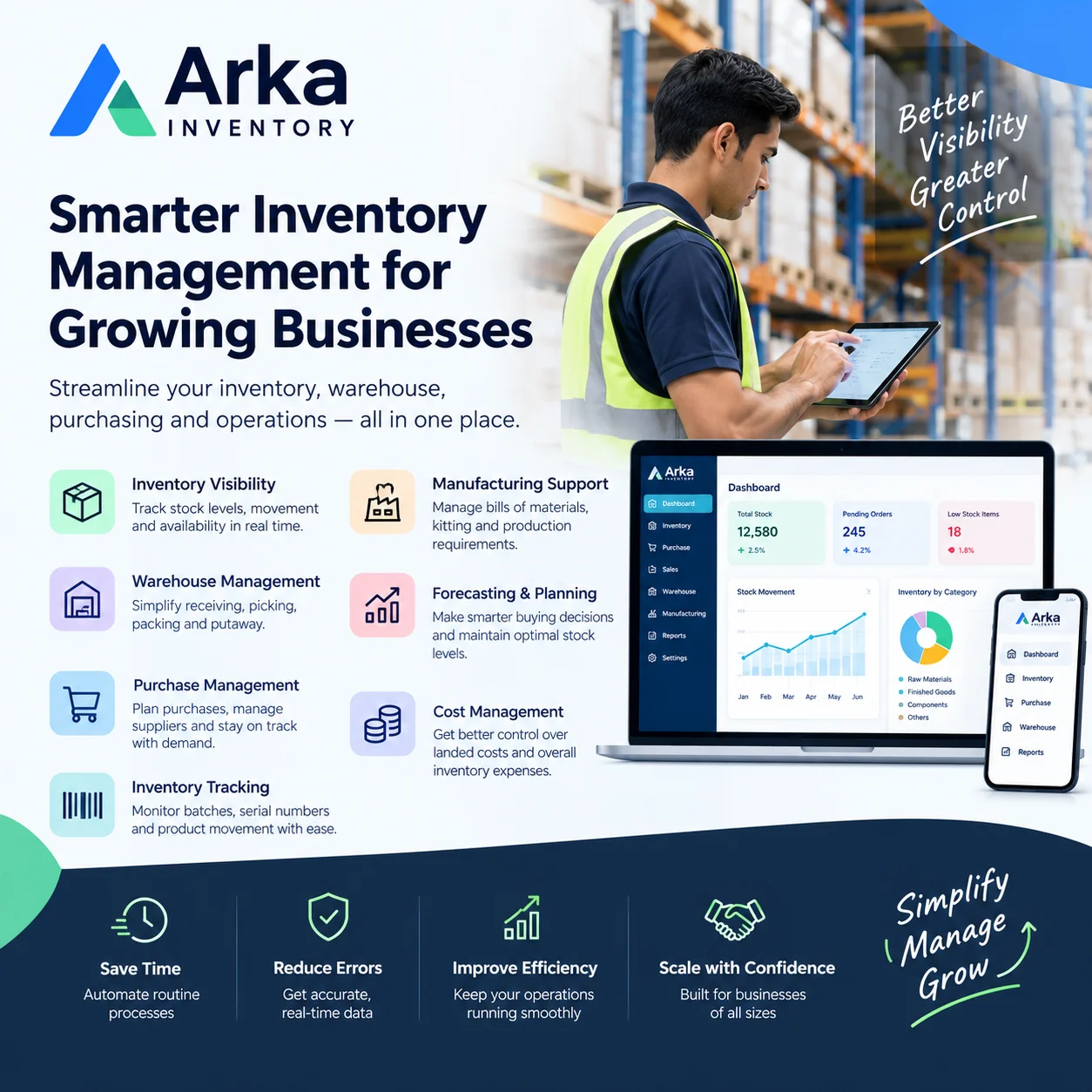
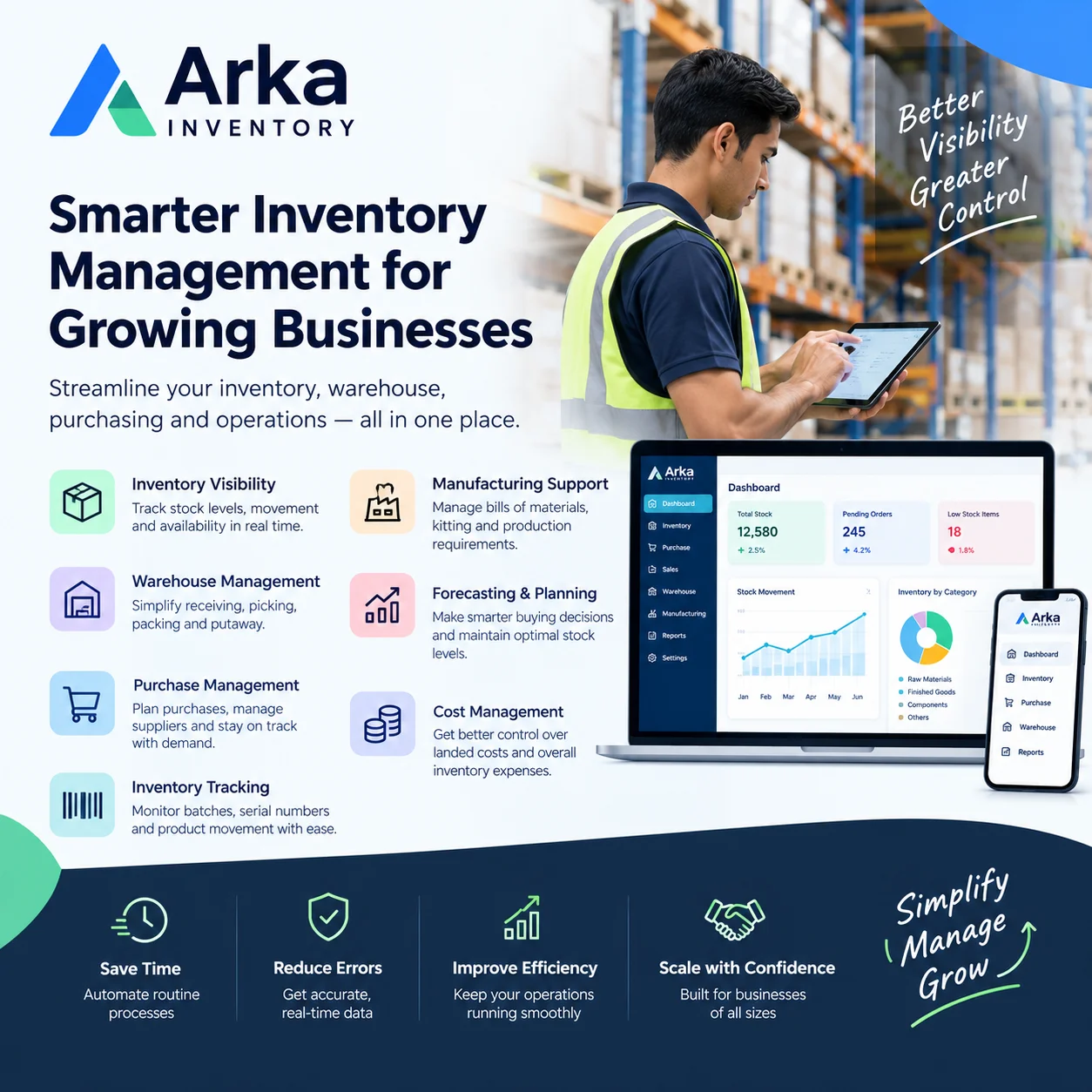
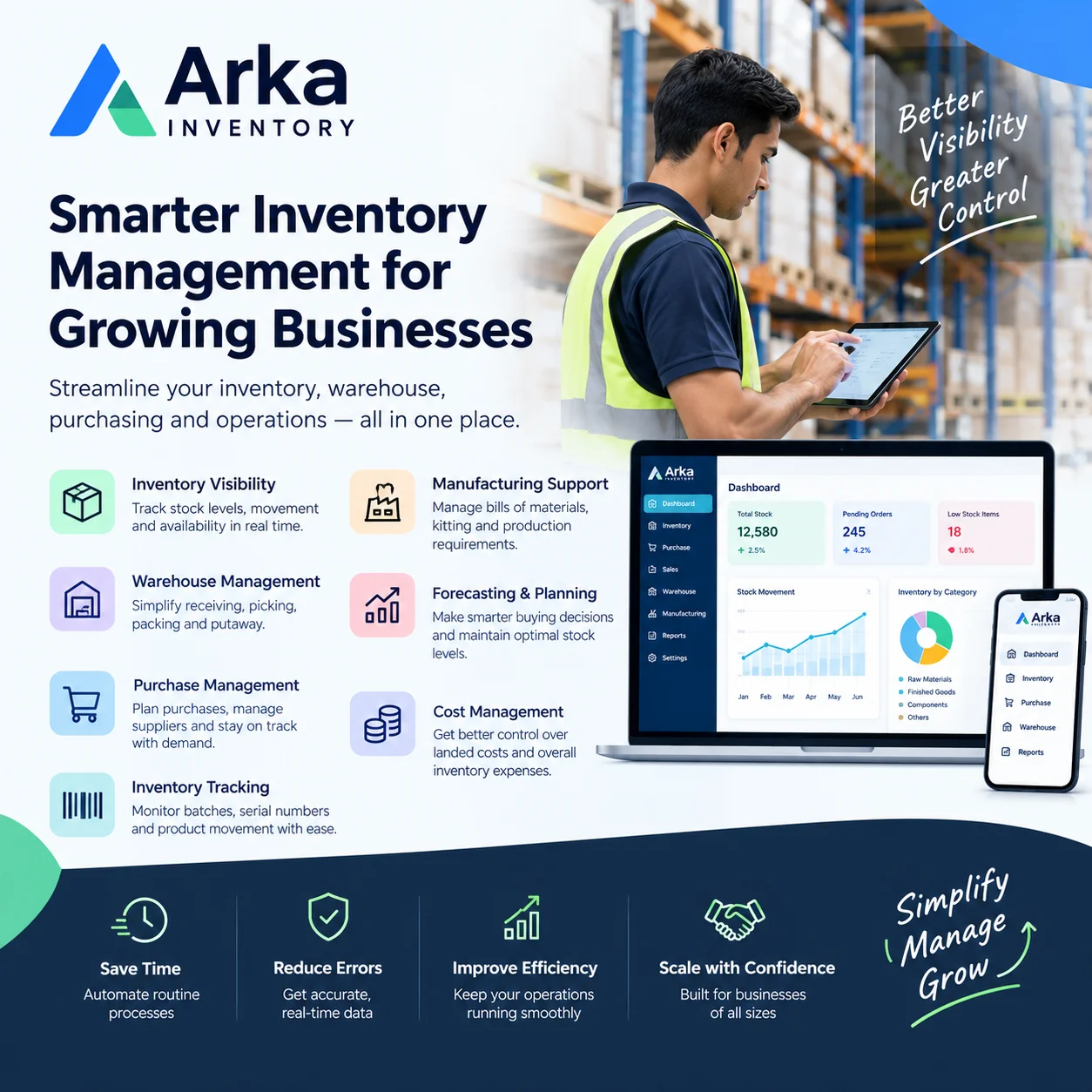
Businesses already using Salesforce may want to explore Arka Inventory to assess its inventory management capabilities and suitability for their operational workflows.
Before selecting a platform, organisations should confirm the specific features available, integration requirements, and whether the solution supports their particular fulfilment processes.
Building a Consistent Fulfilment Process
Even with suitable software, reliable order fulfilment requires well-defined responsibilities and consistent procedures. Employees should understand when stock is received, when it becomes available, how orders are allocated, and how discrepancies are reported.
Management should also review fulfilment performance and collect feedback from warehouse, purchasing, sales, and customer service teams. These employees often understand the practical reasons behind recurring delays and errors.
Small improvements, such as better storage organisation, clearer picking instructions, or earlier identification of replenishment needs, can produce meaningful operational benefits over time.
Conclusion
Real-time inventory tracking can help businesses improve order fulfilment by providing more accurate stock information, supporting warehouse coordination, and making operational problems easier to identify.
When combined with consistent processes and regular performance reviews, better inventory visibility helps organisations reduce avoidable errors, manage customer expectations, and make more informed decisions about stock allocation.
The objective is not simply to dispatch orders faster. It is to create a dependable fulfilment process that balances speed, accuracy, cost, and customer satisfaction while supporting the business as it grows.



.webp)