Sign up with Google
 Sign in with Zoho
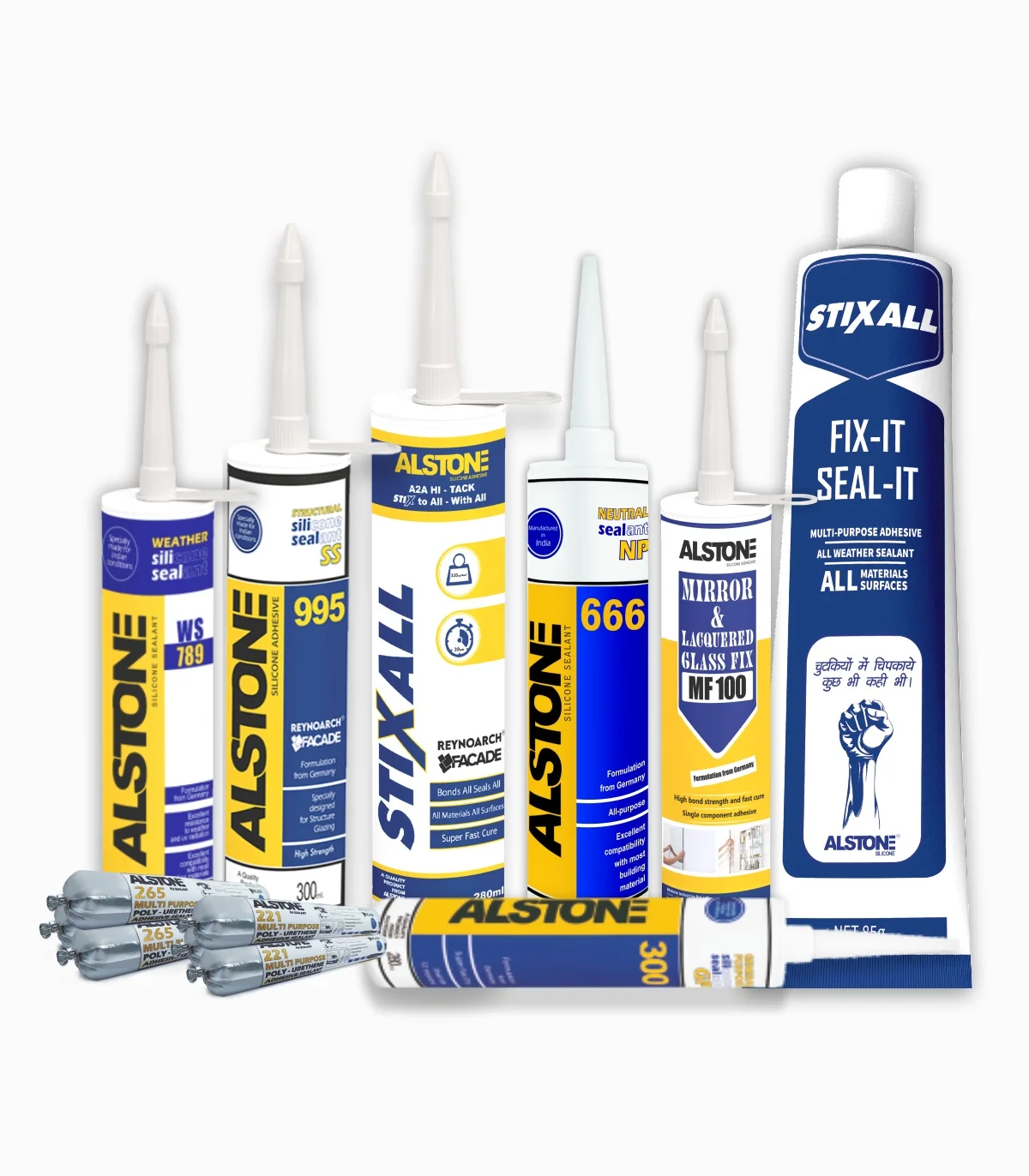
One of the most impressive things about silicone sealant is its incredible adaptability. Its flexibility, stickiness and weather resistance make it suitable for a myriad of applications in residential, commercial, industrial and manufacturing settings.
These characteristics enable it to provide uniform performance under harsh weather and structural settings. Perhaps its greatest asset is the outstanding versatility. After full cure, silicone remains elastic and may be repeatedly expanded and contracted without breaking. Buildings shift naturally over time owing to heat changes and settling; therefore this flexibility is key in maintaining lasting sealing.
How to Maintain Silicone Sealant and How to Prolong Its Life
This makes it great for external construction applications. Another big plus is the waterproof performance. Silicone Sealant is an ideal moisture barrier for preventing water penetration around windows, doors, sanitary fittings, curtain walls, roofing components and many other features of the structure. Silicone sealant has strong adhesion and may adhere well with a range of building materials. Its wide compatibility makes it easy to install and eliminates the need for several sealing materials to meet varied project needs.
Temperature stability also results in reliable operation. Silicone Sealant is flexible in a wide range of temperatures; therefore it may be used in areas of great heat but also in areas of extreme cold. Together, these properties make silicone sealant one of the most trusted and adaptable sealing solutions on the building market.
Advantages of Silicone Sealant over Traditional Sealing Materials
Whenever you are doing any construction work, it is very important to use the right sealant for better longevity and upkeep. Silicone sealant has a number of benefits that typically surpass many traditional choices. The advantages are that it lasts a very long time. Well-installed silicone seals may often operate for many years with minimum maintenance, leading to lower repair costs and better long-term building performance. The material’s elasticity also adds to its durability.
Most solid fillers will shatter eventually after structural movement or temperature change. The silicone continues to stretch and compress and does not lose adhesion. Weathering resistance guarantees consistent performance under all weather conditions. When repairs are essential, broken parts should be cut out entirely and new silicone used. Proper substrate preparation allows for good bonding of new material to surrounding surfaces and restores waterproof performance.
The cured silicone also has a clean look which helps to provide excellent architectural finishes. When well tooled joints provide clean, professional lines, they improve the current building aesthetic and provide dependable functional performance.