Sign up with Google
 Sign in with Zoho
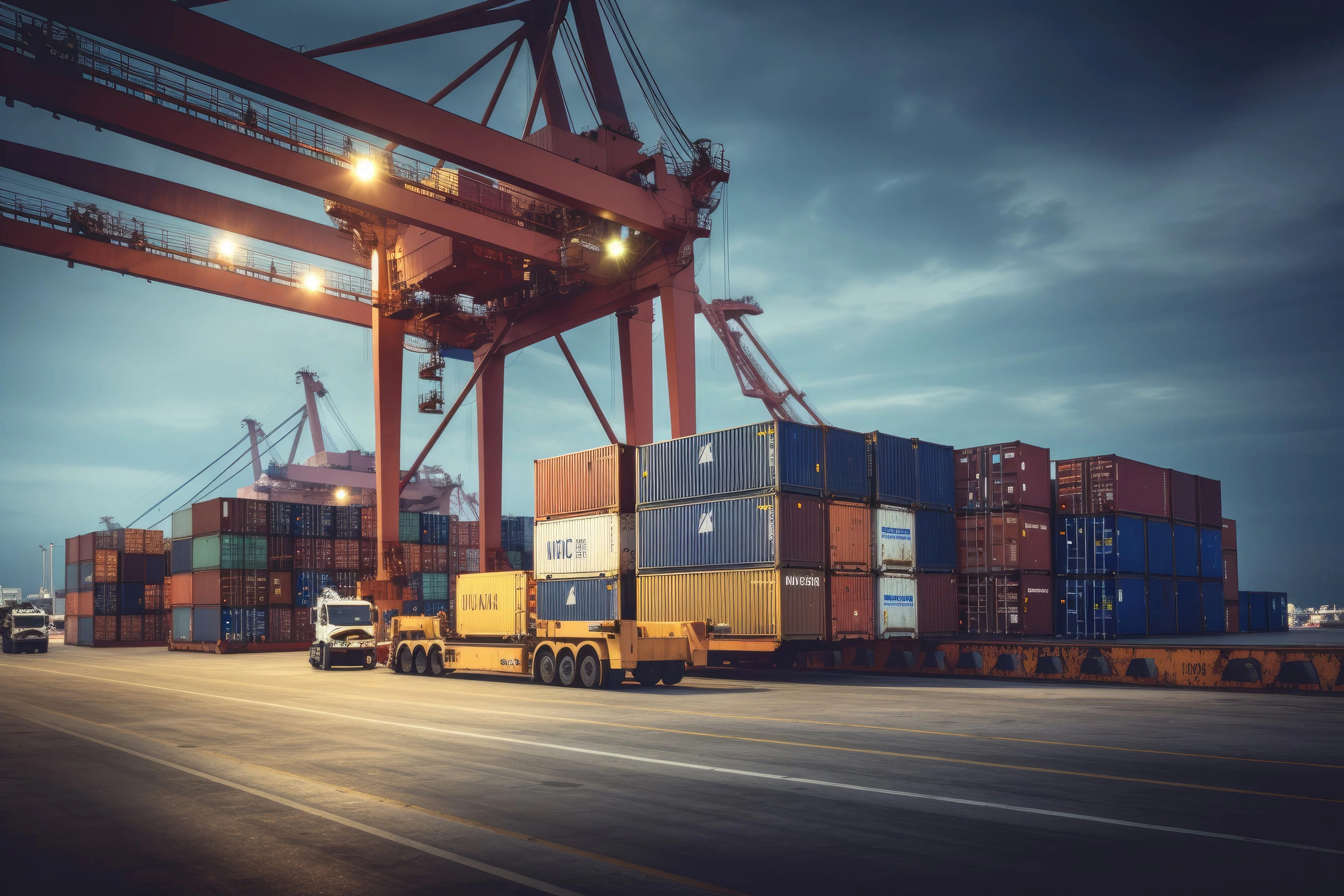
International trade often looks straightforward on paper: goods leave one country and arrive in another. In reality, the most critical and error-prone stage happens at the border. Every import or export shipment must pass through customs, where documentation, tariff classification, valuation, and regulatory compliance are scrutinized. A single mismatch can trigger physical inspections, demurrage, port storage charges, or penalties that quickly erode profit margins.
This is why experienced importers and exporters treat customs clearance as a specialized operational function rather than an afterthought. Partnering with a capable customs clearance agent in India provides structured coordination, eliminates avoidable errors, and keeps cargo moving on schedule. Integrated logistics providers—such as All-Ways Logistics Group, which has operated since 2008—bridge customs brokerage with air, sea, road, and rail freight so that paperwork and physical cargo movement stay aligned from origin to destination.
1. Why Customs Clearance Determines Shipment Success
Customs authorities verify that physical cargo matches declared data and complies with national trade regulations. Officers cross-examine commercial invoices, packing lists, transport documents, certificates of origin, licenses, and permits. Even minor discrepancies across these filings result in immediate shipment holds for clarification.
The Domino Effect of Border Delays
- Escalating Financial Drain: Port storage and container demurrage charges accumulate daily while documentation queries are resolved.
- Operational Overhead: Extra container handling, shifting, and physical examination fees directly inflate landed costs.
- Supply Chain Disruption: Missed delivery windows halt manufacturing lines, delay project timelines, or leave retail shelves empty.
- Long-Term Compliance Risks: Repeated filing errors trigger monetary penalties and place future shipments under heightened red-channel scrutiny.
Because border clearance and freight transit are tightly coupled, a hold at customs cascades across the entire supply chain. A seasoned customs clearance agent in India who understands both regulatory compliance and multimodal freight anticipates these bottlenecks and resolves gaps before cargo even arrives at the port.
2. The Central Role of Accurate Documentation
Most avoidable border delays originate in paperwork. Customs portals rely on uniform data across multiple statutory filings. A commercial invoice listing a different quantity or valuation than the packing list, or a bill of lading that conflicts with the customs declaration, immediately triggers a query.
Core Documentation Managed by a Professional Agent
An effective clearance workflow emphasizes pre-arrival verification and early detection of missing data. For instance, All-Ways Logistics Group collaborates directly with shippers to audit and align all paperwork before cargo reaches the Indian port or airport. While no broker can control the speed of government inspections, thorough pre-clearance preparation drastically reduces the probability of corrective holds.
3. Reducing Extra Costs and Penalties
Basic customs duties and taxes represent only one part of cross-border trade expenses. Documentation errors, late filings, or incomplete submissions generate secondary costs—such as container detention, port ground rent, and late-release fees—that compound the longer cargo sits idle.
How Integrated Coordination Protects Margins
- Synchronized Release: Linking customs formalities with inland transport ensures trucks or rail rakes are ready the moment cargo receives an "Out of Charge" status.
- Proactive Query Resolution: Experienced brokers respond to customs officer queries immediately, preventing multi-day storage accumulation.
- Predictable Scheduling: Coordinated clearance protects just-in-time production schedules and strict customer delivery commitments.
4. Visibility and Coordination Across the Supply Chain
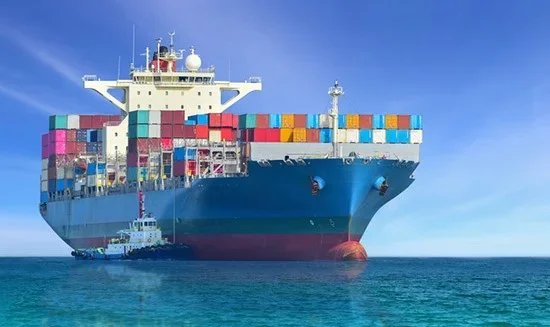
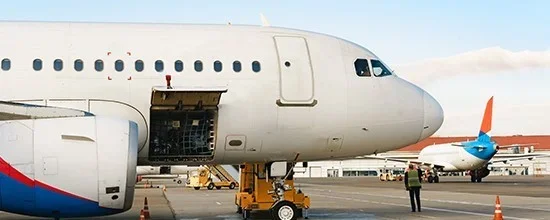
Customs clearance never happens in isolation. Air freight, ocean freight, inland road or rail transit, and warehousing all depend on border clearance timelines. Uncertainty at the port disrupts every downstream hand-off.
Value of an End-to-End Logistics Partner
- Timeline Alignment: Synchronizing vessel or flight bookings with statutory filing deadlines.
- Real-Time Tracking: Providing continuous visibility into customs assessment, duty payment, and release milestones.
- Seamless Last-Mile Delivery: Dispatching inland road or rail transport immediately upon border clearance.
- Warehousing Integration: Connecting customs clearance directly with bonded warehousing or domestic distribution centers.
Working with a provider that unifies air freight (express and charter), sea freight (FCL and LCL), road/rail transport, and supply-chain services under one roof eliminates communication gaps between separate vendors. Combining air freight with rapid customs support accelerates urgent shipments, while pairing ocean freight with structured pre-clearance planning keeps bulk cargo economical and on schedule.
5. Navigating Industry-Specific Compliance
Regulatory compliance in India varies significantly across sectors. Tariff classifications, lab testing standards, and handling protocols for pharmaceuticals differ completely from those governing heavy machinery or agricultural goods.
Sector-Specific Clearance Requirements
- Pharma & Healthcare: Cold-chain integrity, CDSCO approvals, and strict batch-level documentation.
- Automotive & Engineering: Precise HS classification for complex assemblies and project cargo permits.
- Agro & Food Products: Phytosanitary certificates, FSSAI clearance, and temperature-controlled handling.
- Electronics & Telecom: BIS certifications, WPC approvals, and high-value cargo security.
- Fashion, Lifestyle & Steel: Rules of origin verification, anti-dumping duty checks, and specialized packing compliance.
Drawing on cross-industry experience across automotive, agro, fashion, pharma, power, steel, home appliances, and telecommunications—such as the operational footprint maintained by All-Ways Logistics Group—allows a brokerage team to anticipate sector-specific hurdles and prepare compliant documentation upfront.
6. What to Look for in a Customs Clearance Partner
Selecting the right customs clearance agent in India requires evaluating operational capabilities rather than relying on surface-level claims.
Key Selection Criteria
- Dual Import/Export Mastery: Proven experience handling diverse tariff structures and export promotion schemes (such as EPCG, Advance Authorization, or SEZ movements).
- Multimodal Integration: Ability to link customs brokerage directly with international freight forwarding and inland haulage.
- Transparent Communication: Dedicated account management and real-time shipment tracking.
- Accredited Standards: Industry memberships and certifications such as ISO 9001:2015, IATA, FIATA, FFFAI, and licensed Customs Broker status.
- Operational Scalability: Capacity to manage routine commercial shipments alongside complex, oversized project cargo.
7. Practical Steps Importers and Exporters Can Take
Even when working with a capable customs agent, internal discipline on the shipper's side accelerates border clearance:
- Share Product Data Early: Provide complete technical specifications, product catalogs, and verified HS codes well before dispatch.
- Enforce Document Consistency: Cross-check that quantities, weights, values, and party names match identically across invoices, packing lists, and purchase orders.
- Flag Special Requirements Upfront: Highlight needs for import licenses, temperature control, hazardous material handling, or oversized dimensions at the booking stage.
- Assign a Single Point of Contact: Designate an internal decision-maker who can answer customs queries or approve duty payments without delay.
- Audit Drafts Before Filing: Review the draft Bill of Entry or Shipping Bill prepared by your broker prior to portal submission to catch errors before they become official.
Moving Forward with Predictable Cross-Border Trade
Customs clearance is one of the highest-leverage checkpoints in international logistics. Executed with precision, it protects delivery timelines and profit margins; handled reactively, it triggers cascading delays and unrecoverable expenses. Partnering with an experienced customs clearance agent in India brings the documentation discipline, regulatory foresight, and multimodal coordination required to keep cargo moving smoothly.
For businesses regularly moving goods through Indian ports and airports, auditing current documentation workflows and aligning with an integrated partner like All-Ways Logistics Group—which combines customs brokerage with air, ocean, road, and rail logistics—is a practical step toward building resilient, disruption-free supply chains.