Sign up with Google
 Sign in with Zoho

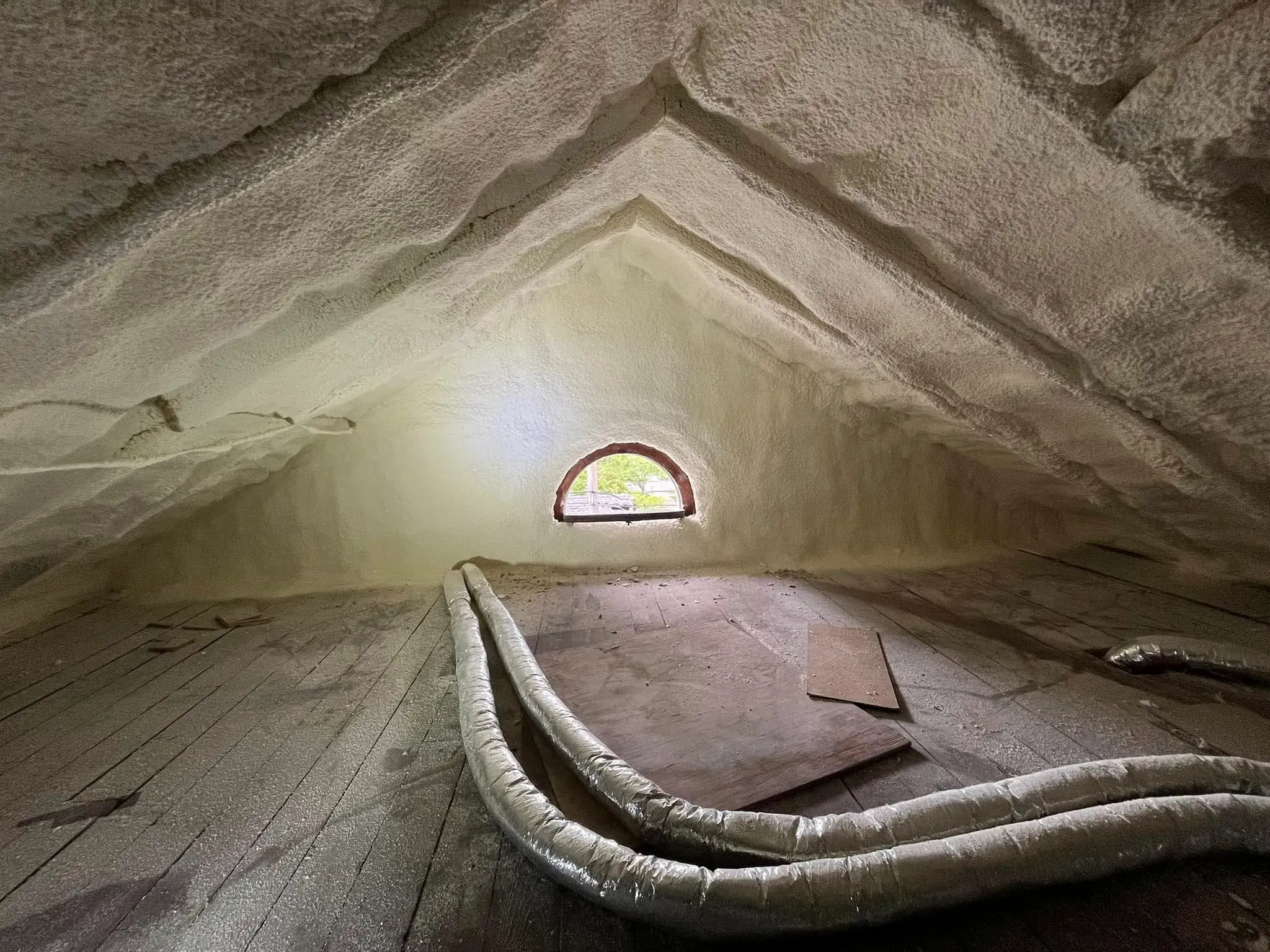
Spray Foam Insulation blocks moisture by sealing tiny air gaps, stopping vapor movement, and limiting surface condensation. Unlike traditional materials, it expands on contact and forms a tight barrier that reduces both air leaks and hidden water buildup inside walls and attics.
Many property owners think insulation only controls temperature. In reality, moisture control is just as important. This article explains how Spray Foam Insulation works in unexpected ways, why it matters in humid regions like South Florida, and what to consider before choosing a system.
This information reflects hands-on industry experience and field-tested practices used by trained Spray Foam Insulation experts who address real moisture problems in homes and commercial buildings.
Why Moisture Control Matters More Than Most People Think
Moisture inside a building does more damage than most people see. It can rot wood, weaken drywall, and reduce indoor air quality. Over time, it may also increase cooling costs.
The U.S. Department of Energy estimates that air leaks can account for up to 30 percent of a home's energy loss. In humid climates, those same leaks also bring in damp air that raises indoor humidity.
Hidden Risks of Excess Moisture
Water does not need a roof leak to cause damage. It often enters through small cracks and unsealed joints.
Common problems include:
- Mold growth inside wall cavities
- Rust on metal fasteners and ductwork
- Musty odors that linger
- Higher strain on HVAC systems
Stopping airflow is often the first step in stopping moisture.
How Spray Foam Insulation Creates a Moisture Barrier
Spray foam expands after application. It fills gaps around wiring, pipes, and framing. This creates a continuous seal that reduces air movement.
When air movement slows down, moisture movement slows down as well.
Air Sealing Stops Humid Air Intrusion
In places like Jupiter, FL, outside air often carries high humidity. When this air enters wall cavities, it cools and releases moisture.
Spray Foam Insulation services focus on sealing:
- Attic roof decks
- Crawl spaces
- Exterior wall cavities
- Rim joists
By closing these pathways, the foam reduces condensation risk.

Vapor Resistance Adds Another Layer of Protection
Closed cell foam acts as a vapor retarder. It resists water vapor passing through walls.
Open cell foam allows some drying but still limits air leakage. The right choice depends on building design and climate.
In coastal Florida, closed cell foam often works well in areas prone to wind-driven rain and high humidity.
Structural Density Limits Water Absorption
Closed cell foam has a dense structure. It does not absorb water easily.
This makes it useful in flood-prone areas or buildings exposed to heavy storms. FEMA reports show that closed cell spray foam can resist bulk water better than many traditional insulation types.
Spray Foam Compared to Traditional Insulation
Many people compare spray foam with fiberglass or cellulose. The key difference is how they handle air and moisture.
Below is a simple comparison.
Fiberglass may insulate against heat, but it does not stop air movement on its own. That difference often leads to hidden moisture buildup.
Surprising Ways Spray Foam Controls Condensation
Condensation forms when warm, moist air meets a cooler surface. Spray foam reduces this risk in several ways.
It Stabilizes Indoor Temperatures
When walls and ceilings stay closer to indoor temperature, surfaces are less likely to collect moisture.
This matters in Florida where air conditioning runs most of the year.
It Reduces Thermal Bridging
Thermal bridging occurs when heat moves through framing materials.
By sealing around studs and joists, foam reduces uneven surface temperatures that can attract condensation.
It Protects HVAC Efficiency
High indoor humidity forces HVAC systems to work harder. Proper insulation reduces outside air infiltration, which lowers moisture load.
The EPA notes that balanced humidity levels improve indoor comfort and may reduce mold growth.
Climate Specific Considerations for South Florida
South Florida has high humidity, heavy rain, and hurricane exposure. These conditions demand careful insulation planning.
Spray Foam Insulation experts in coastal areas often recommend:
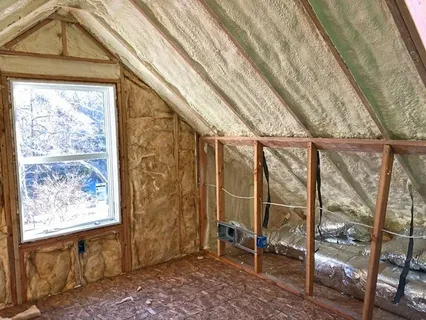
- Closed cell foam in attics under roof decks
- Extra sealing around window openings
- Moisture testing before retrofit projects
Bonus Tips
Check Roof Venting Design
Improper attic venting combined with high humidity can trap moisture. A sealed attic system may work better in certain homes.
Inspect Before You Insulate
Hidden roof leaks should be repaired first. Foam should never trap active water problems inside walls.
Choose Skilled Installation
Application thickness and coverage matter. Uneven spraying can leave gaps.
Working with a qualified Spray Foam Insulation contractor helps ensure proper expansion and full coverage.
Things to Consider Before Making a Decision
Before choosing insulation, property owners should review a few key factors.
First, climate plays a major role. High humidity areas benefit more from air sealing insulation.
Second, building age matters. Older homes may need air sealing upgrades before foam installation.
Third, budget and long term savings should be weighed together. Spray foam often costs more upfront but may lower energy use over time.
Market data shows that energy efficient upgrades can cut annual cooling costs by 15 to 20 percent in warm climates.
Finally, installation quality affects performance. Choosing a trained Spray Foam Insulation Company reduces the risk of poor adhesion or uneven coverage.
Questions People Ask About Spray Foam Insulation
Does spray foam stop mold completely?
It reduces the conditions that allow mold to grow by limiting moisture and air leaks. Mold can still form if water intrusion is not fixed first.
Is closed cell better for humid climates?
Closed cell foam often performs better in high humidity areas because it resists vapor movement and bulk water.
Can spray foam get wet?
Closed cell foam resists water. Open cell foam can absorb some moisture but usually dries if conditions allow airflow.
How long does spray foam last?
When installed correctly, it can last for decades without sagging or settling.
Does it replace a vapor barrier?
In many cases, closed cell foam acts as a vapor retarder. Local building codes should guide final decisions.
Make Moisture Control Part of the Plan
Spray foam does more than insulate. It seals air gaps, limits condensation, and reduces humidity buildup inside walls and attics.
In humid regions, moisture control protects both comfort and building structure. Property owners should review their climate, building condition, and long term goals before choosing insulation.
Careful planning and proper installation make the difference between short term fixes and lasting protection.
Get Guidance From Local Insulation Professionals
Property owners who want to reduce moisture and improve comfort can seek advice from experienced providers. All in Overhall offers Spray Foam Insulation services across South Florida, focusing on careful workmanship and clear communication.
They can review attic conditions, wall systems, and moisture concerns before recommending solutions. For more information, readers may contact All in Overhall at [email protected] or call (561) 406-3835 to discuss their specific needs.
Author: Richard Hall founded ALL IN OVERHALL, Your Local Spray Foam Insulation Company in Jupiter, FL, on January 3, 2022, to provide honest insulation solutions that improve comfort and lower energy costs across South Florida.
Reviewer: Lucas Mitchell has 6 years of experience in spray foam insulation. He reviewed this article and refined the content to strengthen its value for homeowners seeking reliable insulation guidance.