Sign up with Google
 Sign in with Zoho

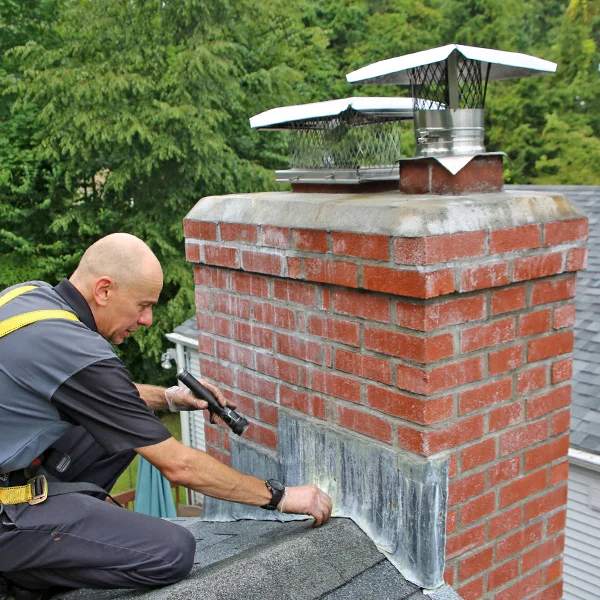
Last March a homeowner near Brock Road called us about a brown patch on her living room ceiling. She figured it was an old stain from the previous owners. It was not. If you have ever wondered whether chimney leak repair in Pickering is really worth the money her story answers it. Water had been sneaking in around her chimney for two full winters. By the time she picked up the phone the attic wood was soft and the insulation felt like a wet sponge. A small flashing fix had grown into a four day job.
Why Pickering Homes Deal With So Many Chimney Leaks
Pickering gets a rough mix of weather. Lake Ontario sends in wet snow and sharp wind and the rain often arrives at an angle. Your chimney sticks up above the roof so it takes every bit of that first.
Brick looks solid but it drinks water like a sponge. Water settles into tiny cracks. Then the temperature drops overnight and that water freezes. Ice needs more room than water so the crack opens a little wider. Repeat that a few dozen times between November and April and you have a real gap. Homes in Bay Ridges and along Liverpool Road tend to show this first because the original flashing and mortar are now forty years old or more.
Warning Signs You Need Chimney Leak Repair
Most leaks do not start with a flood. They start with small things that are easy to ignore. Keep an eye out for these:
- A yellow or brown stain on the ceiling near the chimney
- Paint or wallpaper peeling around the fireplace
- A damp smell that gets worse after rain
- White chalky powder on the outside brick (it is called efflorescence)
- Rust on the damper or the firebox door
- Drips or puddles inside the fireplace during a storm
- Bricks that flake or crumble when you touch them
One sign is enough to make a phone call. Waiting for another rainy day to confirm it only gives the water more time.
Common Causes of a Leaking Chimney
Water always has a reason for getting in. Here are the spots we check first.
Damaged Chimney Flashing
Flashing is the metal strip that seals the joint between the chimney and the roof. It rusts or lifts or pulls loose after years of sun and snow. This is the most common culprit we find. A gap you could barely slide a coin into can let in a surprising amount of water.
Cracked Chimney Crown
The crown is the concrete slab on top of the chimney. Its job is to shed water away from the brick. Once it cracks the water has a direct path down into the structure. A lot of older crowns were poured thin or mixed poorly so cracks show up early.
Worn Brick and Mortar
Mortar is softer than brick so it wears out first. When the joints crumble water slips behind the bricks and works on the inside of the chimney where you cannot see it. The outside may look fine for years while the damage builds.
Missing or Rusted Chimney Cap
The cap sits over the flue opening and blocks rain and snow and nesting birds. Without it the flue is open to the sky. A cap that is bent or rusted through is not much better than having none.
What Happens When You Ignore a Chimney Leak
Water is patient. It moves slowly and it never takes a day off. By the time a stain shows on the ceiling it has usually been working for months.
Here is what that can turn into:
- Rotting wood around the chimney framing
- Mould in the attic and inside the walls
- Wet insulation that stops keeping your home warm
- Ceiling and drywall repairs
- A cracked flue liner
- Loose bricks and a weakened chimney structure
Mould is the one that worries me most. It affects the air you breathe and it can set off allergies and breathing trouble. That makes it a health problem as well as a repair problem.
Why Chimney Leak Repair Saves You Money
Go back to the homeowner near Brock Road. Her first estimate would have been a few hundred dollars for new flashing. Two winters later she paid for flashing and rotted roof boards and new insulation and a repainted ceiling. Same leak. Just a much bigger bill.
That pattern repeats across Durham Region every year. Early repairs are small and cheap. Late repairs are big and messy. It is like fixing a loose shingle in October versus replacing a roof section in April.
There is also resale value. Home inspectors check chimneys and rooflines closely. A dry well kept chimney tells a buyer the house has been looked after. A stained ceiling next to the fireplace tells them the opposite.
What Professional Chimney Leak Repair Looks Like
People often ask what actually happens during a visit. It goes something like this. The technician starts with a full inspection of the crown and flashing and brick and cap and flue. Then comes the hard part which is tracing the water. A stain on the ceiling is rarely right below the leak so a good technician follows the water path instead of guessing.
Next is the repair itself. That could mean resealing the flashing or patching the crown or repointing the mortar or replacing the cap. After that the brick gets a breathable waterproofing treatment. Breathable matters here. Cheap sealants lock moisture inside the brick and cause the very damage you are trying to avoid. The visit ends with a final check so you know the leak is actually gone.
Simple Tips to Prevent Future Chimney Leaks
You cannot change the Pickering weather but you can get ahead of it:
- Book a chimney inspection every fall before the snow arrives
- Install a quality cap with a mesh screen
- Trim tree branches that hang over the chimney
- Clean your gutters so water does not spill near the roofline
- Check for loose bricks or open mortar joints after winter
- Have a professional waterproofing treatment done every few years
None of this costs much. Together it can add years to the life of your chimney.
Should You Fix It Yourself or Hire a Professional
I get the temptation. You see a gap and you grab a tube of caulk from the garage. It feels like a quick win. But a leaking chimney is almost never a surface problem. Caulk may hide the symptom for a few weeks while the real damage keeps growing underneath.
Roof work is also risky. Steep angles and wet shingles and icy mornings do not mix well with a weekend project. A trained professional brings the right gear and the experience to spot hidden problems you would likely miss.
Final Thoughts on Chimney Leak Repair in Pickering
Your chimney protects your home every day and asks for almost nothing. A little attention now saves you from stained ceilings and rotten wood and a bill nobody wants to open. If you have noticed even one warning sign do not wait for the next storm to prove it.
Call a trusted local chimney professional today and book an inspection. It is the easiest way to keep your home dry and safe and comfortable for many winters to come.
Frequently Asked Questions
1. How do I know if my chimney is leaking?
Look for ceiling stains near the fireplace and a damp smell and wet bricks and rust inside the firebox. Leaks usually show up after heavy rain or snow melt. If you spot any of these book an inspection.
2. How much does chimney leak repair cost in Pickering?
It depends on the cause. A new cap or a small flashing repair costs far less than a crown rebuild or major repointing. An inspection gives you a clear quote for your own home.
3. Can I stop a chimney leak with sealant myself?
Sealant may slow a minor leak for a short time but it rarely fixes the real source. The wrong product can even trap moisture inside the brick. It is safer to have an expert find the cause first.
4. How often should I inspect my chimney for leaks?
Once a year works well. Fall is the best time because you can fix problems before winter. Check again after any major storm or heavy snowfall.
5. Is a leaking chimney dangerous?
Yes it can be. Water can weaken the structure and crack the flue liner and cause mould inside your home. A damaged flue can also raise the risk of fire and carbon monoxide so do not ignore it.