Sign up with Google
 Sign in with Zoho


Grout rarely fails in a way that feels sudden. It fades out in stages, usually so gradually that people adjust to it without noticing. One day, the floor just looks a bit tired, and then that becomes the new normal. Most of the time, it is not the tiles that are the problem; it is everything the grout has absorbed over months or years of use, cleaning products, and moisture.
1. The color has shifted, and scrubbing does nothing
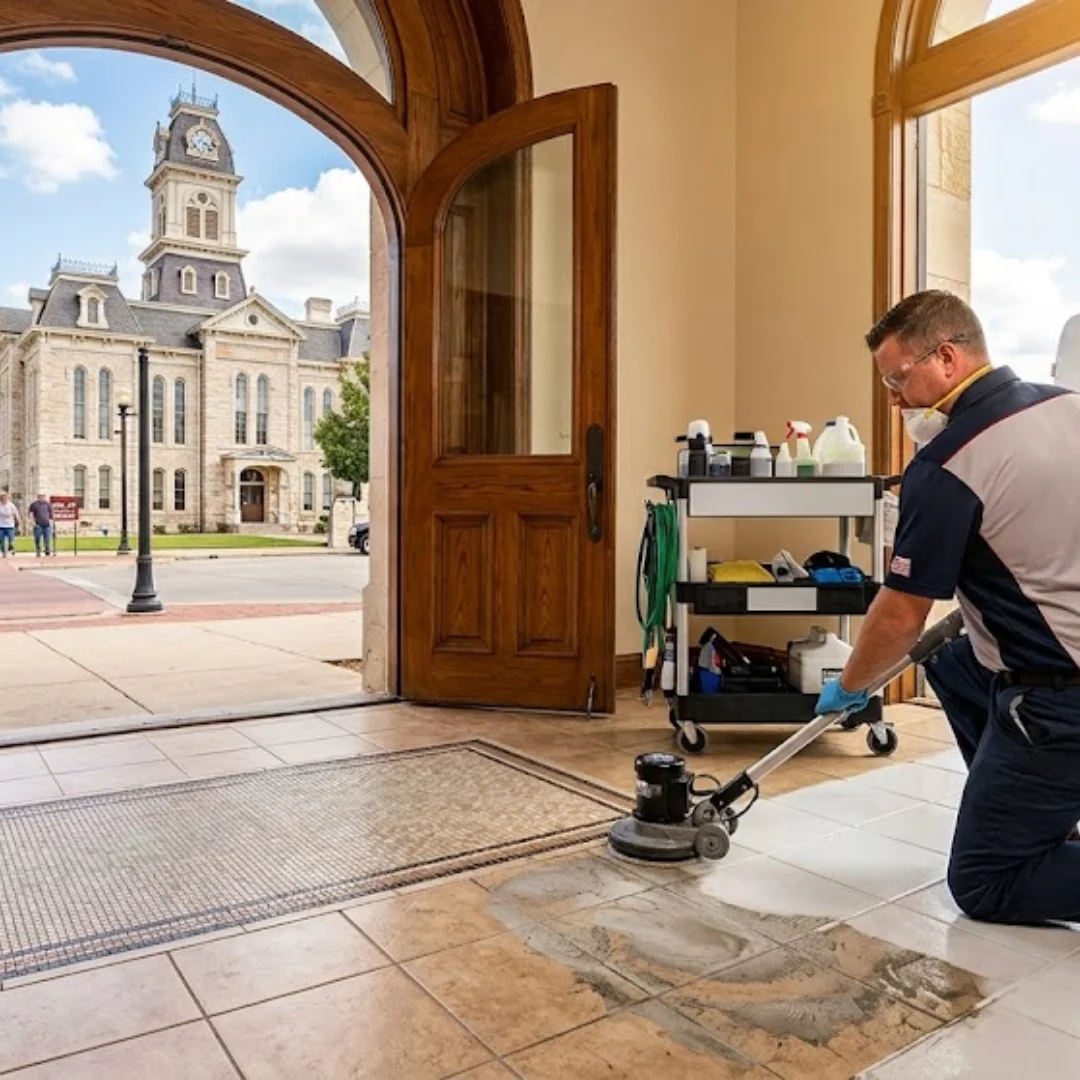
When grout stops responding to normal cleaning and stays patchy or darker no matter what you do, it usually means the stain has gone past the surface level. At that point, scrubbing with household cleaners is not really fixing anything; it is just shifting the grime around without actually pulling it out. You reach a stage where home methods have already done what they can, and anything beyond that tends to need a more thorough approach, often something like a grout cleaning service in Weatherford to properly reset the surface instead of just trying to lighten it temporarily.
2. The surface looks dull no matter how often you clean it
There is a certain flatness that shows up in tiled floors when residue builds up over time. It is not exactly dirt you can point to, just a muted finish that never quite goes away. You mop, it looks fine for a few hours, and then the same dullness returns. That usually points to layers of buildup sitting inside and around the grout lines.
3. The grout feels rough or starts to crumble slightly
Most of the time, you feel it before you actually see it. You run your fingers along the grout, and something just feels slightly off, a bit rough, maybe even patchy in spots, like the surface has lost that tight, finished feel it used to have. It is easy to assume it is just dirt at first, but usually it is the grout itself starting to wear down. You notice it more in places that take daily abuse, the kitchen where spills happen without much thought, the bathroom where moisture never really leaves, or the entryway where shoes track everything in. Those areas tend to reveal the problem earlier than expected. Cleaning still matters at that stage, but to be honest, a quick mop or light scrub does not really change much unless the cleaning goes deeper than what most people typically do at home.
4. Dark spots or mold keep reappearing in the same areas.
Mold is rarely a one-time issue when it shows up in grout. If it keeps returning, especially in corners or near sinks and showers, it usually means moisture is sitting inside the material rather than just on top of it. That is why in environments managed through commercial cleaning services in Brooklyn, recurring spotting is treated as a maintenance issue rather than a cosmetic one, because it tends to spread if ignored.
5. Hairline cracks start appearing and slowly widen
Small cracks often get dismissed because they do not seem urgent. The problem is that they are entry points. Water gets in, dries, expands, and repeats the cycle. Over time, that weakens the entire line of grout. Cleaning alone cannot fix it once the structure starts breaking down, even if the surface still looks mostly intact from a distance.
6. A persistent smell lingers around tiled surfaces
Smells tend to tell the truth before visual signs catch up. When grout holds onto moisture and organic residue, it develops a faint musty odor that does not fully go away with regular cleaning. People often notice it in closed bathrooms or corners of kitchens first, and then it becomes harder to ignore once you start paying attention to it.
7. The tiles look fine, but the grout clearly does not
This is probably the most common situation. The tiles still reflect light properly, still look usable, but the grout between them tells a different story. It is darker, uneven, and visually drags the whole surface down. When that contrast becomes obvious, it usually means the issue is not surface dirt anymore; it is embedded buildup that needs deeper intervention.
Grout does not usually collapse in a dramatic way. It just slowly stops responding to normal care until cleaning routines no longer make much difference. Companies like Alayjiah Inc see this pattern often enough to know that timing matters more than effort. The earlier it is addressed, the easier it is to bring the surface back without expensive repair work later.
Conclusion
Most grout issues reach a point where routine cleaning is no longer enough, even if the effort stays the same. What changes is not how often you clean, but what the material is capable of responding to. Once stains, moisture, and wear settle into the structure, it stops being a maintenance task and becomes a restoration problem. If these signs feel familiar, it is usually worth getting a professional Grout cleaning service in Weatherford sooner rather than later, because waiting rarely makes the outcome simpler or lower-priced.