Sign up with Google
 Sign in with Zoho

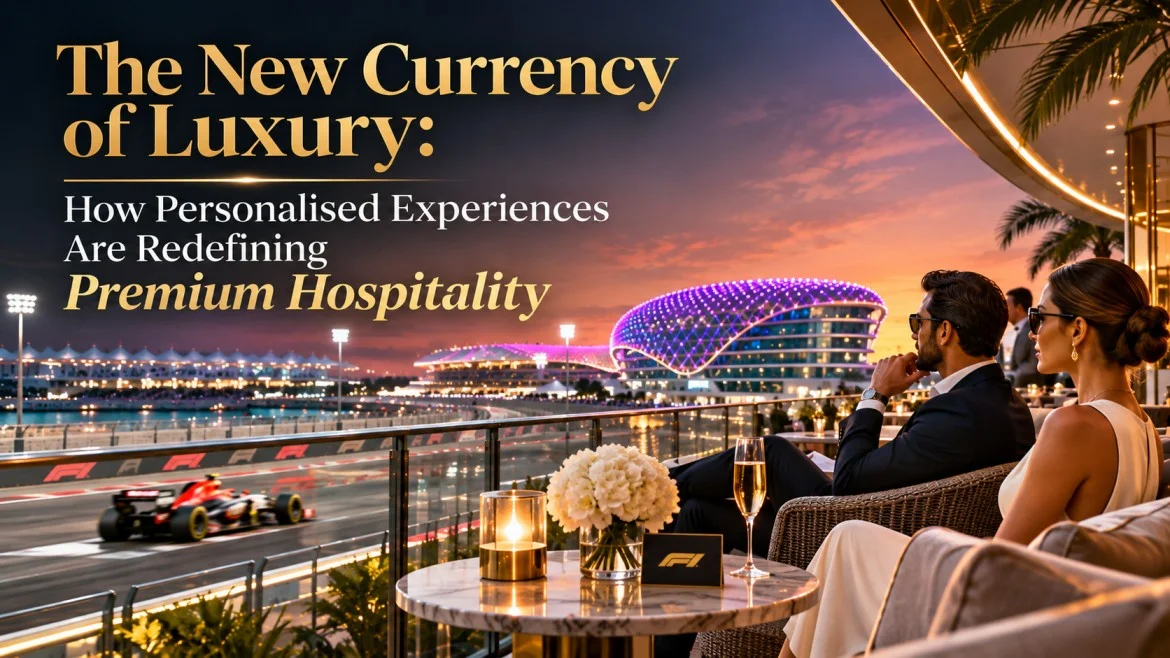
Luxury has always been associated with quality, comfort and exceptional service. Beautiful hotels, fine dining, private transportation and exclusive destinations have traditionally represented the highest standards of hospitality. However, expectations are changing. Today's premium customers increasingly look beyond expensive surroundings. They want experiences that feel personal, meaningful and carefully designed around their interests.
This shift is influencing the global luxury travel and hospitality industry. From private cultural experiences to exclusive sporting events, people are placing greater value on the moments they experience rather than simply the products and services they purchase.
For hospitality providers, this creates an important opportunity: the ability to transform an ordinary service into an experience that guests remember long after it ends.
1. Why the Definition of Luxury Is Changing
Traditional luxury often focused on visible signs of exclusivity, including expensive accommodation, premium brands and high-end facilities. These elements still matter, but they are no longer the only measures of a premium experience.
Modern customers increasingly value privacy, flexibility, personal attention and meaningful connections. They want services that recognise their preferences instead of offering the same arrangement to everyone.
A luxury traveller might prefer a privately guided cultural experience over a conventional sightseeing tour. A business executive might value a carefully coordinated private gathering more than a large formal event.
According to Expedia Group's 2026 luxury travel insights, personalisation and cultural connection are important themes shaping premium travel preferences.
This suggests that the future of luxury hospitality will depend not only on what a provider offers, but also on how thoughtfully the experience is delivered.
2. Personalisation Is Becoming the Foundation of Premium Hospitality
Personalisation is one of the strongest ways to make a hospitality experience feel distinctive.
Guests have different expectations, interests and priorities. Some value privacy and quiet surroundings, while others prefer social activities, entertainment or opportunities to discover new cultures.
A personalised approach considers these differences before the experience begins.
Understanding Individual Guest Preferences
Good hospitality starts with understanding the people being hosted.
This may involve considering dietary requirements, preferred activities, accessibility needs, cultural expectations and the purpose of the visit.
For example, a family travelling for leisure may appreciate a flexible itinerary with private activities, while a group of business executives may require a carefully managed schedule with comfortable spaces for conversation.
Creating Flexible Experiences
Personalisation should not end once an itinerary or event programme has been prepared.
Guest preferences can change, schedules may shift and unexpected requirements can arise. Flexible service arrangements help hospitality providers respond without compromising the overall experience.
Making Small Details Matter
Often, the smallest details create the strongest impression.
A well-timed transfer, a thoughtfully arranged dining experience or a team member who understands a guest's preferences can make an experience feel significantly more personal.
These details demonstrate care and attention rather than simply providing an expensive service.
3. Exclusive Access Is Changing the Value of Luxury Travel
Another important development is the growing interest in experiences that offer something beyond conventional travel arrangements.
Exclusive access can mean visiting a destination with a specialist guide, enjoying a private culinary experience, attending a special cultural event or discovering a unique location away from crowded tourist areas.
The attraction is not necessarily about displaying wealth. It is about experiencing something distinctive and having the time and space to enjoy it.
Beyond Traditional Travel Packages
A standard travel package usually follows a predetermined structure. An experience-led itinerary can be more flexible, allowing visitors to combine different activities based on their interests.
For example, a luxury journey might include a private art tour, a carefully selected restaurant, a cultural activity and a relaxing stay at a boutique property.
The Importance of Authentic Experiences
Exclusivity alone does not guarantee quality.
Guests are increasingly interested in experiences that have a genuine connection to the destination, its culture and its people.
For hospitality providers, this means building relationships with reliable local partners and creating opportunities that feel authentic rather than artificially exclusive.
4. How Premium Events Are Becoming Complete Lifestyle Experiences
The changing expectations of luxury customers are also influencing the events industry.
An event is no longer judged only by its venue, guest list or schedule. The overall experience matters, including how guests arrive, how they are welcomed, what they experience during the event and how smoothly everything is coordinated.
This is particularly relevant to international sporting events, cultural celebrations, entertainment programmes and premium business gatherings.
From Event Attendance to Experience Design
Attending an event is only one part of the experience.
Consider a major sporting occasion. Guests may also value comfortable hospitality spaces, curated dining, private transportation, social interaction and carefully planned activities around the main event.
This approach turns a single event into a broader lifestyle experience.
The Role of Private Hospitality
Private hospitality environments can provide a more controlled and personalised setting for guests.
Depending on the venue and arrangements, these may include dedicated suites, premium dining areas, private lounges or yacht-based settings.
For companies, Formula 1 corporate hospitality experiences can combine sporting entertainment with opportunities to host clients, recognise partners and strengthen professional relationships.
The quality of the experience depends on how well the environment, service and guest requirements are brought together.
5. Why Luxury Brands Are Investing in Experiential Marketing
Luxury brands are also recognising that traditional advertising is not the only way to connect with customers.
An advertisement can communicate a product's features, but an immersive experience can allow people to interact with a brand, understand its values and form a stronger emotional connection.
This is one reason experiential marketing has become an important consideration for premium businesses.
Building Emotional Connections
A well-designed brand experience can communicate a company's identity through its environment, service, presentation and interactions.
For example, a luxury automotive brand might organise a private driving experience, while a premium lifestyle company could host a curated dining event.
The objective is to create an environment where customers experience the brand rather than simply hear about it.
Creating Memorable Brand Interactions
Successful experiences give guests something meaningful to remember.
This could involve an interactive presentation, a private product demonstration, a personalised gift or an opportunity to connect with people who share similar interests.
However, the experience should feel relevant to the audience. Excessive branding or unnecessary promotional activities can reduce the sense of exclusivity.
Connecting Brand Experiences with Business Objectives
Experiential marketing should also have a clear purpose.
Businesses may want to increase brand awareness, develop customer relationships, introduce a new product or strengthen partnerships.
Understanding these objectives helps organisations select suitable event formats and measure whether the experience delivered value.
6. The Growing Importance of Guest Experience Management
Behind every successful premium experience is a well-organised operational process.
Even an impressive venue can disappoint guests if transportation is delayed, schedules are unclear or individual requirements are overlooked.
This makes guest experience management an essential part of modern hospitality.
Coordination Before the Experience
Planning should begin well before the event or trip.
Important considerations include guest information, accommodation, transportation, access arrangements, catering requirements and communication schedules.
Consistency During the Experience
Guests should receive a consistent level of service throughout their journey.
This requires coordination between hospitality teams, venue operators, suppliers and other service providers.
Attention After the Experience
The relationship does not necessarily end when the event finishes.
Following up with guests, collecting feedback and understanding their preferences can help organisations improve future experiences and build stronger long-term relationships.
7. What the Future Holds for Luxury Hospitality
The next phase of premium hospitality will likely combine thoughtful personal service with smarter technology and more flexible experiences.
Several developments are particularly important.
Technology That Improves Personalisation
Digital platforms and artificial intelligence can help hospitality teams organise guest information, manage preferences and improve communication.
Technology is most valuable when it removes unnecessary complexity and allows people to focus more attention on guests.
Greater Interest in Privacy and Flexibility
Some customers prefer smaller gatherings, private environments and flexible itineraries rather than crowded or highly structured experiences.
Hospitality providers will need to understand these preferences and offer suitable arrangements.
More Meaningful and Responsible Experiences
Environmental awareness, local culture and responsible service practices are also becoming relevant considerations.
Premium hospitality can explore responsible sourcing, reduced waste, local partnerships and thoughtful use of resources without compromising the quality of the guest experience.
Human Service Will Remain Important
Technology can improve planning, but it cannot completely replace genuine hospitality.
Understanding emotions, anticipating needs and responding appropriately still depend on people who know how to deliver excellent service.
The strongest premium experiences will combine operational efficiency with human attention.
8. Bringing Personalised Hospitality into the World of Global Sporting Events
Global sporting events provide an interesting example of how modern hospitality principles come together.
They bring international visitors, business leaders, brands and entertainment into one environment. The opportunity extends beyond watching the competition to creating meaningful experiences around the occasion.
Formula 1 is one example. Its international calendar creates opportunities for premium guest experiences across different destinations, including private hospitality environments, curated dining and exclusive event settings.
Organisations such as AIOKA work within this space by planning tailored experiences for corporate guests and international visitors.
Its approach to Grand Prix hospitality experiences can bring together private hospitality settings, guest services and selected event arrangements based on the needs of each group.
For businesses exploring premium sporting experiences, Formula 1 corporate hospitality planning is one example of how a sporting occasion can be developed into a more considered guest experience.
Different destinations also offer different atmospheres and hospitality opportunities. The global Grand Prix experience calendar provides a broader perspective on international race-weekend experiences, while Abu Dhabi Grand Prix hospitality illustrates how a major motorsport event can be combined with the destination's marina and luxury hospitality environment.
With a focus on bespoke guest experiences and premium event planning, AIOKA operates within the wider world of Formula 1 hospitality and brand experiences.
Conclusion: The Future of Luxury Is About How People Feel
The definition of luxury is moving beyond material comfort and visible exclusivity. Personalisation, privacy, authentic connections and carefully designed experiences are becoming important parts of what guests expect from premium hospitality.
For businesses, this creates an opportunity to rethink how they welcome customers, recognise partners and build relationships.
For hospitality providers, the challenge is to deliver experiences that feel genuinely individual while maintaining consistent service quality.
Ultimately, the most successful luxury experiences are not necessarily the most complicated or expensive. They are the ones that understand the guest, respect their preferences and create moments worth remembering.







 (1) (1).webp)