Sign up with Google
 Sign in with Zoho

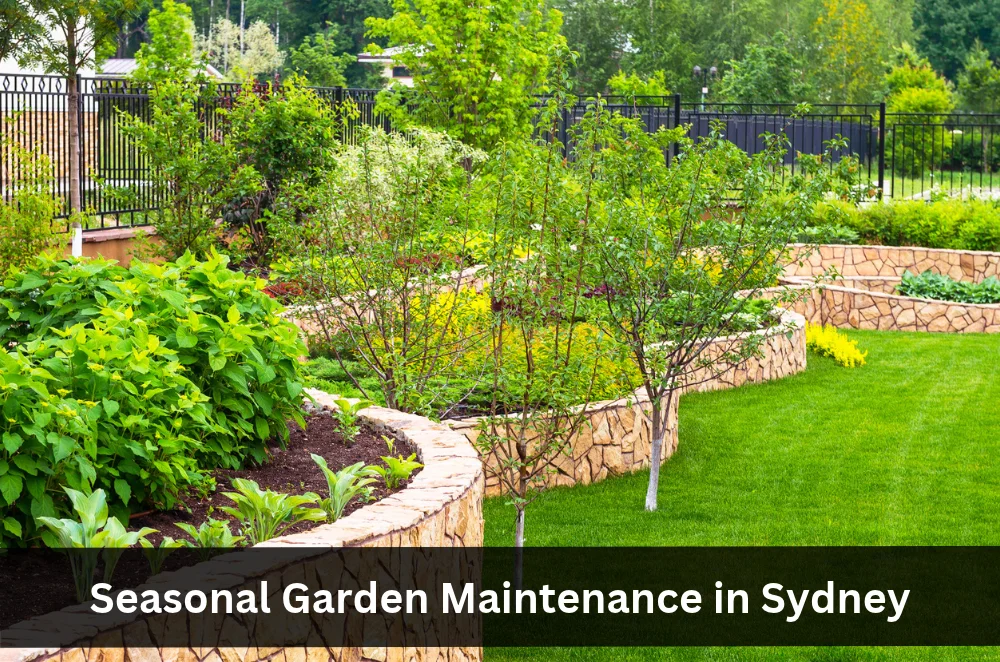
Gardens in Sydney rarely sit still. A burst of humidity can send lawns racing, a dry westerly can wilt ornamentals overnight, and sudden summer storms leave beds compacted and clogged. Yet the right routine, matched to each season’s quirks, can keep even compact city plots thriving year-round. Property owners who lean on local gardening expertise recognised by pros often avoid common pitfalls such as shallow root systems and nutrient-starved soils.
Why Sydney’s Climate Demands Its Own Playbook
Sydney straddles a humid subtropical zone. Mild winters lull many into ignoring cold-season tasks, while long spells of summer heat exaggerate every irrigation misstep. Coastal breezes, clay-rich soils in older suburbs, and sandy profiles around the eastern beaches complicate the picture further. A one-size-fits-all guide written for cooler capitals simply misses the mark here.
Gardeners who track local rainfall patterns and soil behaviour notice three truths:
- Drainage changes block-by-block, even street-by-street.
- Organic matter burns through quickly once spring heat arrives.
- Pests such as citrus leaf-miner and lawn grub time their life cycles to Sydney’s shoulder seasons.
Knowing these patterns shapes smarter maintenance—especially when water pricing and Level 1 restrictions lurk most summers.
Season-Smart Jobs That Pay Off
Early Autumn: Re-set the Soil Before Growth Slows
When daytime temps dip below 26 °C, lawns and shrubs redirect energy underground. Aerate compacted turf with a coring fork, then top-dress thinly with compost blended with coarse river sand. The mix adds porosity without sealing the surface. Roses benefit from a light application of pelletised manure at this stage; feed any later and you’ll push soft, frost-susceptible shoots.
Winter: Quiet Months, Critical Checks
Sydney’s winters rarely deliver hard frosts, yet soil fungi stay active. Clear deciduous leaf-litter from garden beds to prevent black spot outbreaks on heritage roses. Prune dormant fruit trees on a dry, windless day—cuts heal faster and disease spores remain low. Inspect reticulation lines for pinhole leaks while water pressure is low; wasted drips go unnoticed once summer demand returns.
Spring: Growth Surge, Nutrient Surge
The moment Jacarandas hint at colour, soil microbes wake. Rake back mulch, apply a balanced granular fertiliser, and re-mulch with eucalypt chips or lucerne straw to lock in moisture. Stake fast-stretching perennials before stems flop. Two weeks later, follow up with a liquid seaweed drench to buffer plants against late-spring heat spikes.Internal linking opportunity paragraph: We need second link here? but we're following earlier spec (only client link). We'll ignore internal.
High Summer: Water Wisely, Mulch Wide
Water restrictions almost always tighten by mid-January. Swap overhead sprinklers for drip lines delivering roughly 10 mm twice a week before dawn. Coarse mulch at least 70 mm thick cuts evaporation by a third and cools root zones. Prune hedges early morning; fresh cuts at noon brown off quickly.
Common Mistakes and How to Dodge Them
Ignoring Soil pHSydney’s older suburbs trend acidic—think pH 5.5 to 6.0—after decades of leaf litter and rainfall leaching. Vegetables prefer 6.5–7.0. A simple $15 test kit saves a whole planting season of disappointment.
Feeding Lawns With High-Nitrogen Blends in FebruaryExtra nitrogen drives lush growth exactly when water is scarce. Switch to a slow-release formula with added potassium to firm cell walls against heat stress.
Pruning Native Hedges After EasterBanksias and grevilleas set next-year flower buds now; late cuts rob spring colour. Trim natives straight after flowering instead.
When a Professional Crew Earns Its Keep
Most home gardeners enjoy weekend soil under their nails. Yet several scenarios justify calling in a qualified team:
- Large tree canopy work needing insured climbers
- Severe drainage failure pooling around house footings
- Full-site redesign blending hardscape and planting palettes
- Compliance with strata bylaws on heritage plantings
Experienced crews bring specialised gear—stump grinders, high-capacity chipper trucks, soil-moisture probes—and finish in hours what might drag over several DIY weekends. They also understand council green-waste regulations that differ between Inner West, Northern Beaches and Sutherland Shire councils.
Final Note
Seasonal attention beats emergency fixes every time. Sydney’s gardens reward those who adjust routines to our city’s unique blend of heat, humidity and sudden squalls. Stick to the rhythm—tune soil in autumn, tidy in winter, feed in spring, conserve in summer—and even a pocket-sized courtyard will repay you with colour and shade all year.
FAQs
How often should I aerate a Sydney lawn?Every 12–18 months for clay soils; sandy profiles cope with a light spike once a year.
Is tap water chlorine harmful to vegetable gardens?
Chlorine levels are low. Let water stand in a wheelie bin overnight if you grow sensitive seedlings.
Can I mulch native beds with pine bark?
Pine bark traps too much moisture for many Proteaceae. Use coarse eucalypt chips or recycled hardwood instead.
Do I need council approval to remove a backyard tree?
Most councils protect trees over 5 m or with a trunk diameter above 300 mm at breast height. Always check your LGA’s Tree Preservation Order before proceeding.