Sign up with Google
 Sign in with Zoho

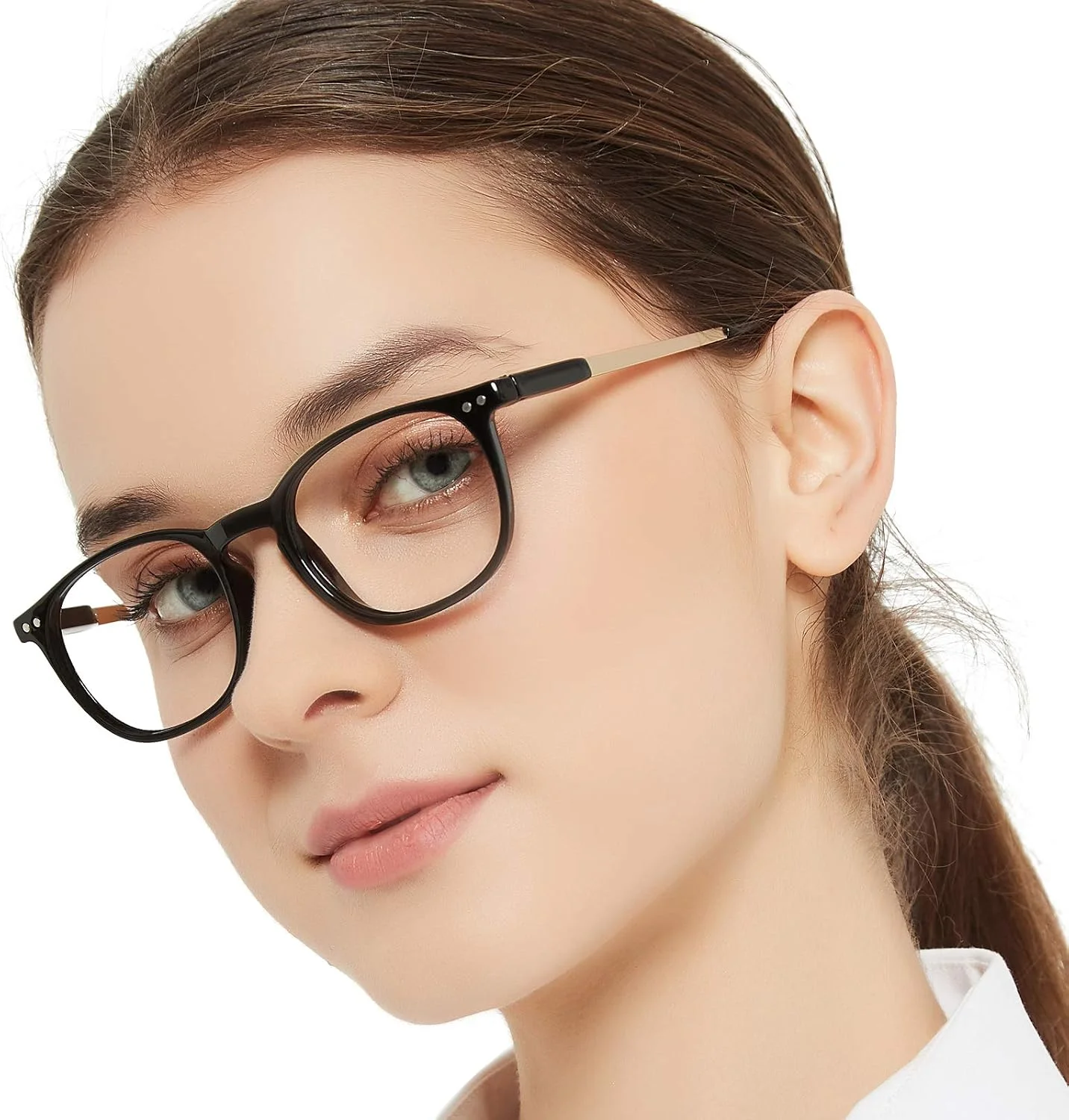
Clear vision and eye protection are both essential when working in environments where your eyes may be exposed to dust, debris, chemicals, sparks, or flying particles. For people who require prescription lenses, finding eyewear that addresses both needs can make everyday work more comfortable and practical. Prescription safety glasses frames are designed for this purpose, offering a foundation for prescription lenses while supporting workplace eye protection.
Modern safety frames are available in different sizes, shapes, materials, and designs. Whether you work in construction, manufacturing, automotive repair, maintenance, or another demanding environment, selecting the right frame involves more than simply choosing a style you like.
This guide explains what prescription safety frames are, their benefits, important features, and how to select eyewear suitable for your needs.
What Are Prescription Safety Glasses Frames?
Prescription safety glasses frames are specialized frames designed to accommodate prescription lenses intended for safety eyewear. They are made for people who need vision correction while working in environments where eye protection is necessary.
Unlike ordinary eyeglass frames, safety-focused frames may incorporate features such as durable construction, side coverage, adjustable nose pads, flexible temples, and wraparound designs.
The frame is only one part of prescription safety eyewear. The lenses must also be appropriate for the user's prescription and the hazards present in the workplace.
Why Are Prescription Safety Frames Important?
Workers who need corrective lenses should be able to see clearly while performing their jobs. At the same time, ordinary prescription glasses are not automatically designed to protect against workplace hazards.
Prescription safety eyewear combines these two needs into one solution.
Some of its advantages include:
- Corrective vision for workplace tasks
- A convenient alternative to wearing multiple pairs of glasses
- A secure and comfortable fit
- Safety-oriented frame designs
- Options for different prescriptions
- Practical use during extended work shifts
Choosing suitable eyewear can make it easier for employees to follow established eye-protection practices.
How Are Safety Frames Different From Regular Eyeglass Frames?
Safety frames and regular eyeglass frames may look similar, but they have different purposes.
Regular Eyeglass Frames
Everyday frames are primarily designed for vision correction, comfort, and appearance. They are not necessarily designed or tested for occupational hazards.
Prescription Safety Frames
Safety frames are intended to be used with suitable safety lenses in environments where eye protection is required. Depending on the model, they may provide features such as increased coverage, side protection, and enhanced durability.
For this reason, wearing ordinary prescription glasses should not automatically be considered equivalent to wearing appropriate workplace safety eyewear.
What Features Should You Look for in Prescription Safety Glasses Frames?
When choosing prescription safety glasses frames, consider the following characteristics.
Durable Construction
Safety frames may be made from materials selected to provide strength and durability while remaining comfortable enough for everyday use.
Secure Fit
A good frame should stay in position during normal movement without slipping or creating uncomfortable pressure around the nose and ears.
Side Protection
Some designs incorporate side shields or extended temple coverage. These features can provide additional coverage against particles approaching from the side.
Adjustable Nose Pads
Adjustable nose pads can help improve fit and reduce pressure during extended wear.
Flexible Temples
Flexible temples can provide additional comfort and help keep eyewear stable while moving.
Prescription Compatibility
Not every frame is suitable for every prescription. An optical professional can help determine whether a particular frame can accommodate your lens requirements.
What Are Protective Glasses?
Protective glasses are eyewear designed to help shield the eyes from hazards in particular environments. They create a barrier between the eyes and potentially harmful particles, substances, or conditions.
Depending on their design and applicable safety specifications, protective eyewear may help address hazards such as:
- Flying debris
- Dust
- Metal particles
- Wood chips
- Chemical splashes
- Sparks
- Construction materials
- Ultraviolet exposure
The appropriate eyewear depends on the hazards present and the level of protection required.
What Are the Benefits of Protective Glasses?
Using suitable protective glasses can provide several important advantages.
Helps Reduce Eye Exposure
Appropriate eyewear can help reduce direct contact between the eyes and flying particles, dust, debris, or other hazards.
Supports Clear Vision
Prescription safety eyewear allows workers who require corrective lenses to maintain the visual clarity needed for their tasks.
Offers Convenience
Combining prescription correction and protective eyewear into one pair can be easier than wearing regular glasses underneath separate safety equipment.
Supports Workplace Safety
Eye protection is an important part of personal protective equipment in many occupations.
Can Improve Wearability
A properly fitted pair can be more comfortable for extended use, which can encourage workers to follow workplace eye-protection procedures.
Who Can Benefit From Prescription Safety Eyewear?
Prescription safety eyewear can be useful in numerous industries.
Construction Workers
Construction environments may expose employees to concrete dust, wood particles, nails, fragments, and debris generated by tools.
Manufacturing Employees
Grinding, cutting, drilling, and machining can produce particles that may create potential eye hazards.
Automotive Technicians
Automotive professionals may encounter metal fragments, fluids, chemicals, and debris during repair and maintenance work.
Laboratory Workers
Laboratory environments can involve chemicals and other substances that require suitable eye protection.
Maintenance Professionals
Maintenance workers may operate around machinery, tools, electrical equipment, and industrial materials.
Engineering Teams
Engineers working in industrial environments may encounter machinery and processes that require appropriate eye protection.
How Can You Choose the Right Prescription Safety Glasses Frames?
Selecting the right prescription safety glasses frames starts with understanding your workplace and visual requirements.
1. Identify Potential Hazards
Consider what your eyes may be exposed to. Hazards can include impact, dust, chemicals, splashes, glare, or outdoor conditions.
2. Review Workplace Requirements
Check the eye-protection requirements established for your workplace and select eyewear appropriate for the identified hazards.
3. Consider Your Prescription
Use an up-to-date prescription so your lenses provide the appropriate vision correction for your work.
4. Choose the Right Frame Size
The frame should sit securely and comfortably on your face. Proper sizing can help prevent slipping and unnecessary pressure.
5. Consider Lens Features
Depending on your working conditions, you may consider features such as:
- Anti-fog treatments
- Scratch-resistant coatings
- Anti-reflective coatings
- UV protection
- Specialized lens tints
The best features depend on your environment and the tasks you perform.
Why Is Polycarbonate Commonly Used for Safety Lenses?
Polycarbonate is widely used for safety eyewear because it is lightweight and has strong impact-resistance characteristics. It can also provide UV protection.
However, lens selection should consider your prescription, workplace hazards, optical requirements, and applicable safety specifications. An eye-care or optical professional can help identify an appropriate lens option.
How Should You Care for Protective Glasses?
Regular care can help maintain the clarity and condition of your protective glasses.
Follow these basic practices:
- Clean the lenses with an appropriate lens-cleaning solution.
- Use a soft microfiber cloth.
- Avoid abrasive materials that may scratch the lens surface.
- Store glasses in a protective case when they are not being used.
- Inspect the frame and lenses regularly.
- Replace damaged or heavily scratched eyewear.
- Follow the manufacturer's cleaning and storage instructions.
Keeping lenses clean is especially important when your job requires precision and detailed vision.
Common Mistakes to Avoid
Choosing prescription safety eyewear requires careful consideration. Avoid these common mistakes.
Using Ordinary Glasses for Hazardous Work
Regular prescription glasses are not automatically a substitute for appropriate safety eyewear.
Ignoring Frame Fit
A frame that is too loose may move excessively, while one that is too tight can become uncomfortable during extended wear.
Choosing Only Based on Appearance
Style can be important, but safety requirements, prescription compatibility, coverage, and fit should come first.
Wearing Damaged Eyewear
Cracked frames or heavily scratched lenses should be evaluated and replaced according to workplace procedures and manufacturer recommendations.
Ignoring the Working Environment
The right eyewear depends on the hazards associated with your job. Avoid selecting safety glasses without considering where and how they will be used.
Why Should Employers Offer Prescription Safety Eyewear?
Employees who require prescription lenses may find standard safety eyewear difficult to use comfortably. Providing suitable prescription safety options can help employers create a more practical eye-protection program.
A workplace prescription eyewear program can:
- Improve access to suitable eye protection
- Encourage consistent eyewear use
- Support employee comfort
- Address individual prescription requirements
- Reduce the inconvenience of multiple pairs of glasses
- Strengthen workplace safety practices
Providing appropriate protective glasses can help employees perform their duties while following established safety procedures.
How Can You Make Prescription Safety Glasses More Comfortable?
Comfort is important when eyewear must be worn for an entire work shift.
To improve comfort:
- Select the correct frame size.
- Consider lightweight materials.
- Adjust the temples properly.
- Make sure the nose pads fit comfortably.
- Keep lenses clean.
- Consider anti-fog features for humid environments.
Professional optical fitting can also help ensure that the frame works correctly with your prescription and facial measurements.
When Should Prescription Safety Glasses Be Replaced?
Inspect your safety eyewear regularly for signs of damage or excessive wear. Replacement may be necessary if the frame becomes cracked, lenses are significantly scratched, components are damaged, or the eyewear no longer fits correctly.
Always follow the manufacturer's recommendations and your workplace's safety procedures regarding inspection and replacement.
Conclusion
Choosing the right prescription safety glasses frames is important for workers who need vision correction while operating in environments with potential eye hazards. A suitable frame can provide the foundation for comfortable prescription safety eyewear while supporting the protective requirements of the workplace.
Quality protective glasses can help reduce exposure to dust, debris, flying particles, splashes, and other hazards when selected according to the working environment. By considering safety requirements, prescription needs, frame size, lens material, comfort, and useful features, workers can find eyewear that offers a practical balance of protection and clear vision.
Whether you work in construction, manufacturing, automotive repair, maintenance, laboratories, or another demanding environment, appropriate prescription safety eyewear can be an important part of maintaining safer working conditions.

.webp)