Sign up with Google
 Sign in with Zoho

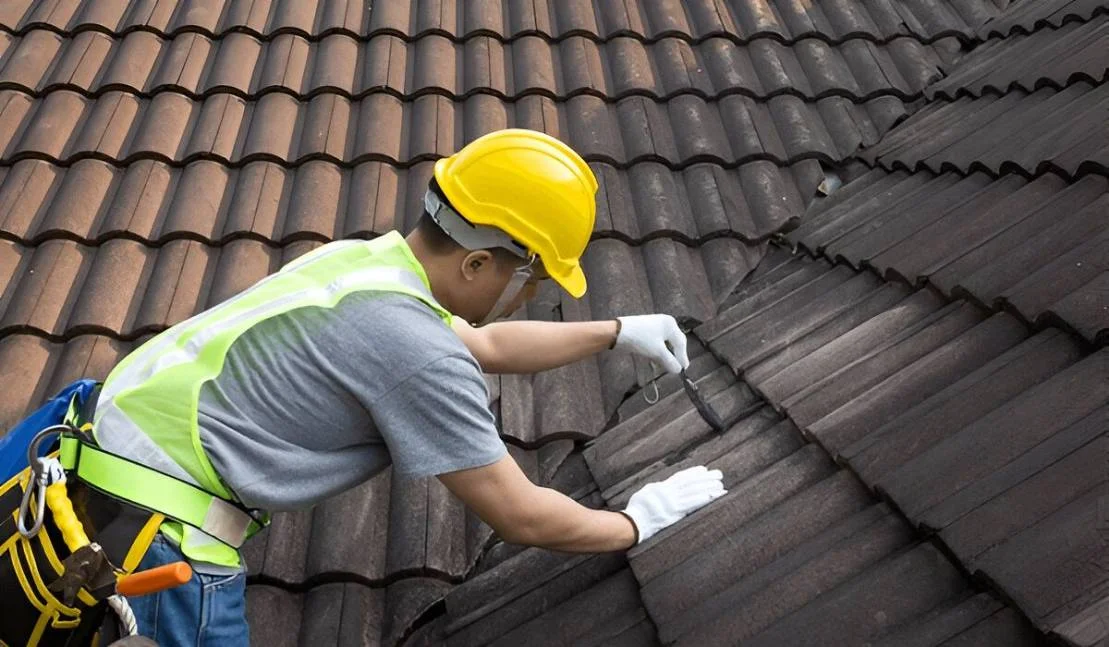
Roof Leak Repair becomes important the moment a ceiling stain, attic drip, or missing shingle suggests that water has found a way beneath your roof. What looks like a minor problem can become much more expensive when moisture is allowed to move through insulation, decking, framing, or interior finishes. The sooner the source is identified, the more options a homeowner may have for protecting the property and limiting additional damage.
Why a Small Leak Can Become a Major Roofing Problem
A water stain on the ceiling does not necessarily mark the point where water entered the roof. Moisture can travel along the underside of the decking or follow framing before finally appearing inside the living space.
That makes a leak surprisingly difficult to diagnose from indoors.
A damaged shingle, loose flashing, failed seal, or opening around a roof penetration may allow water to enter repeatedly whenever conditions are wet. At first, there may be nothing more than a faint stain. Later, the same problem can contribute to damaged insulation, deteriorated wood, peeling paint, or weakened interior materials.
Ignoring a small sign because the ceiling is no longer dripping can therefore be misleading. The visible symptom may disappear while moisture remains hidden above it.
Common Causes of Water Intrusion
Roofing systems contain several components that work together to keep water away from the structure. When one of those components fails, a leak can develop.
Some of the most common causes include:
- Cracked, lifted, or missing shingles
- Damaged flashing around chimneys, vents, and skylights
- Worn pipe boots and deteriorated seals
- Openings around roof penetrations
- Damaged or poorly sealed valleys
- Wind-displaced roofing materials
- Hail impacts
- Deteriorated roofing materials
- Poorly executed previous repairs
- Ice-related damage and drainage problems
Weather can accelerate many of these issues. In Milwaukee, WI, roofs experience everything from heavy summer rainfall and strong winds to snow, freezing temperatures, and repeated freeze-thaw cycles. A roofing component that appears sound during dry weather may reveal a weakness when exposed to sustained moisture or severe conditions.
Finding the cause is important because applying a quick patch to the visible area may not solve the actual source of the water.
Warning Signs Your Roof Needs Attention
A leak does not always announce itself with an obvious stream of water. Some of the earliest clues can be surprisingly subtle.
Ceiling or Wall Stains
Brown, yellow, or irregular discoloration can indicate moisture behind the surface. If a stain becomes darker after rainfall, it deserves closer attention.
Damp or Musty Odors
A persistent musty smell in an attic, upper floor, or enclosed space may point to unwanted moisture. Odor alone does not confirm a roofing problem, but it is a reason to investigate.
Damaged or Missing Shingles
Cracked, curled, lifted, or missing shingles can expose the layers beneath them to rain and wind.
Granules Around Gutters
Some granule loss is normal as roofing materials age. A noticeable increase, however, may indicate that shingles are deteriorating.
Bubbling or Peeling Paint
Interior finishes can react to moisture by bubbling, peeling, staining, or developing unusual texture. Painting over the affected area without finding the cause only hides the symptom.
Moisture in the Attic
Wet insulation, darkened wood, water marks, or visible dampness can indicate that water is getting through the roofing assembly.
When these signs appear, early investigation is usually more sensible than waiting for a more obvious failure.
Roof Leak Detection: Why Finding the Source Matters
The most important part of addressing a leak is identifying where water is entering—not simply where it becomes visible.
A professional roof leak inspection can focus on areas such as shingles, flashing, valleys, vents, penetrations, drainage paths, and surrounding roofing materials. The condition of the roof deck may also need to be considered if there are signs that moisture has been present for some time.
This distinction matters. Replacing a visibly damaged shingle may not stop the leak if water is actually entering through nearby flashing. Likewise, sealing one area without understanding how water is reaching it can lead to another frustrating recurrence.
A careful inspection gives homeowners a clearer picture of whether they are dealing with an isolated defect or a broader roofing concern.
What to Do When You Discover Water Inside
Finding water indoors during or after a storm can be stressful. Before worrying about the long-term repair, focus on preventing additional interior damage and staying safe.
If practical:
- Move furniture, electronics, and other valuables away from the affected area.
- Place a container under active dripping to protect floors and furnishings.
- Photograph visible stains, water damage, and other affected areas.
- Check accessible attic areas only if doing so does not require climbing onto the roof or entering an unsafe space.
- Never walk on a wet, icy, steep, or visibly damaged roof.
- Arrange a professional evaluation as soon as possible.
- If storm damage is suspected, document visible exterior damage from a safe location.
Do not assume the problem has disappeared simply because the dripping stops. Rain may have ended, but moisture can remain inside roofing or structural materials.
Leaking Roof Repair: When a Localized Fix May Be Enough
A leak does not automatically mean that the entire roof needs to be replaced.
If the roofing system is otherwise in good condition and the damage is limited, a targeted repair may be the practical choice. Depending on the situation, that could involve replacing damaged shingles, correcting flashing, resealing a penetration, or addressing another isolated defect.
The decision should consider:
- The roof's age
- The extent of the damage
- The condition of surrounding materials
- The number of previous repairs
- Whether leaks have repeatedly returned
- Evidence of broader deterioration
A good repair addresses the underlying problem rather than simply covering the area where water became visible.
When Roof Replacement May Be the Better Option
There are situations where repairing one area after another is no longer the most sensible approach.
A replacement may deserve consideration when the roof has widespread deterioration, recurring leaks, extensive storm damage, or materials that are approaching the end of their useful service life. Several unrelated problem areas appearing over a relatively short period can also suggest that the roofing system should be evaluated as a whole.
That does not mean replacement is automatically necessary. The condition of the existing roof should determine the recommendation.
A professional assessment allows homeowners to compare the immediate cost of continued repairs with the longer-term value of installing a new roofing system.
How Severe Weather Can Trigger Hidden Roofing Damage
A roof can look fine from the ground and still have damage after severe weather.
Strong winds can lift or displace shingles. Hail can leave impact damage that is difficult to notice without a closer inspection. Heavy rain can expose weak points around flashing, valleys, and penetrations.
Winter brings different challenges. Snow, ice, freezing temperatures, and repeated thawing can place additional stress on roofing materials and drainage areas. Ice buildup can also create conditions that allow moisture to reach vulnerable portions of the roof.
After significant weather, homeowners should watch for new stains, displaced shingles, damaged flashing, or unusual granule loss. If something looks different, having it evaluated is safer than climbing onto the roof to investigate it personally.
Choosing a Roofing Professional You Can Trust
When water has entered your home, the cheapest or fastest available contractor is not necessarily the best choice. Homeowners should look for a roofing professional who combines relevant experience with clear communication and a careful inspection process.
A dependable contractor should explain what appears to be wrong, whether the damage is localized, what repair options are available, and whether replacement should realistically be considered.
Absolute Restorations brings more than 28 years of residential roofing experience to homeowners dealing with leaks, aging roofs, storm damage, and other roofing concerns. The company provides inspections, repairs, replacement solutions, storm-related services, and insurance claim support.
The right approach is not about recommending the largest project. It is about understanding the roof's actual condition and helping the homeowner make an informed decision.
Simple Ways to Protect Your Roof
Regular attention can help identify developing problems before they become major repairs.
Homeowners can:
- Schedule periodic professional inspections.
- Keep gutters and drainage paths clear.
- Look for missing or damaged shingles after severe weather.
- Check accessible attic areas for moisture or staining.
- Keep large branches from rubbing against the roof.
- Address deteriorated flashing and sealants promptly.
- Pay attention to recurring interior stains.
- Avoid postponing repairs because a leak temporarily stops.
Routine maintenance cannot prevent every roofing problem, but it can make small issues easier to identify while they are still manageable.
Frequently Asked Questions
1. What are the first signs of a leaking roof?
Ceiling stains, damp odors, peeling paint, attic moisture, missing shingles, and visible water marks can all be warning signs. Some leaks remain hidden until moisture has traveled through the roofing system.
2. Can a small roof leak cause serious damage?
Yes. Continued moisture can affect insulation, decking, framing, drywall, and other materials. Prompt attention can help limit how far the damage spreads.
3. Does every ceiling stain mean the roof is leaking?
No. Plumbing problems, condensation, and other sources can also create interior moisture. Identifying the source is important before assuming the roof is responsible.
4. Can storm damage cause a leak days later?
Yes. Wind and hail can weaken roofing components without producing an immediate interior symptom. A later rainfall may expose the vulnerable area.
5. Should I climb onto the roof to find the leak?
Homeowners should avoid climbing onto wet, icy, steep, or damaged roofing surfaces. Visible areas can be checked from the ground, while a professional can safely evaluate difficult-to-reach components.
6. How do I know whether to repair or replace my roof?
The answer depends on the roof's age, condition, extent of damage, and repair history. A professional inspection can help determine whether a localized repair or broader replacement is more appropriate.
Final Thoughts
A small ceiling stain can be easy to dismiss, particularly when the rain has stopped and the dripping disappears. But roofing problems rarely become easier to manage by waiting. The source may be hidden, and continued moisture can gradually affect materials that homeowners cannot see.
The smarter approach is to investigate the warning sign, understand the condition of the roofing system, and address the underlying cause before a manageable issue develops into extensive damage.
Need Roof Leak Repair? Contact Absolute Restorations Today
If your home has developed ceiling stains, missing shingles, storm-related damage, or other signs of moisture intrusion, Absolute Restorations can help you understand what is happening and what should come next. With more than 28 years of experience, licensed service, and insurance claim support, the team provides residential roofing solutions based on the actual condition of your roof. Contact Absolute Restorations today to schedule an inspection and take the right step toward protecting your home.