Sign up with Google
 Sign in with Zoho
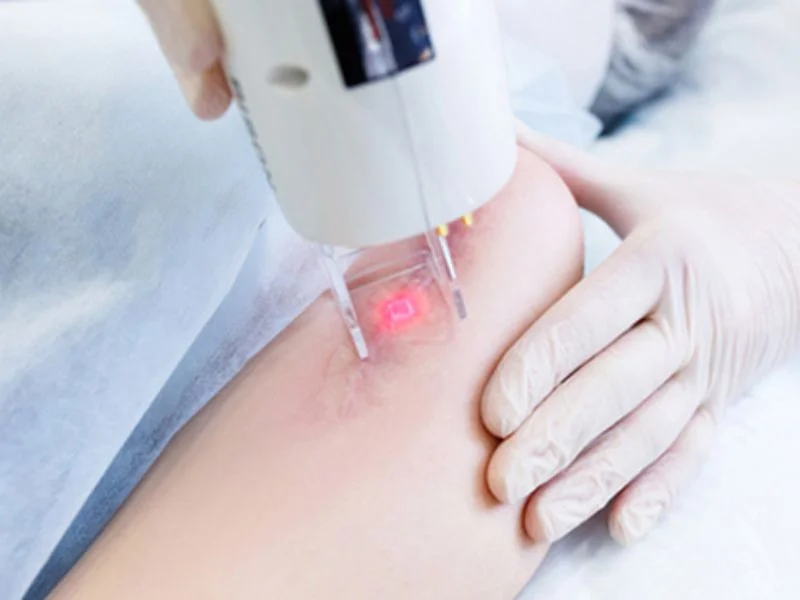
Dealing with persistent marks on your skin can be an emotional journey, often affecting how you feel about your appearance in daily life. For those seeking a path toward clearer skin, the availability of professional scar removal in Dubai has transformed the way we approach skin repair. Rather than relying on temporary concealers or waiting for years for a mark to fade naturally, modern dermatological techniques allow us to intervene. By utilizing advanced laser therapies and targeted skin treatments, individuals can now smooth uneven textures and regain confidence, regardless of whether the marks were caused by past acne, injuries, or surgical procedures.
Understanding How Scars Form and Persist
To effectively treat a scar, it is important to understand what is happening beneath the skin surface. When the dermis, or the deep layer of skin, is damaged, the body produces collagen fibers to mend the injury. This is a natural healing response, but the resulting tissue is different in texture and quality from your surrounding skin. A scar is essentially the body's attempt to seal a wound quickly.
Common types of scars encountered in clinical practice include:
- Atrophic Scars: Often resulting from severe acne or chickenpox, these appear as small indentations or pits in the skin.
- Hypertrophic Scars: These are raised, thickened bands of tissue that stay within the boundary of the original wound.
- Keloid Scars: A more aggressive form of scarring where the collagen overgrowth extends beyond the original site of injury.
- Surgical Scars: These are linear marks left behind following medical procedures and vary greatly in depth and visibility.
Why Professional Intervention Matters
While many over-the-counter creams promise to erase marks, they often lack the depth of penetration required to truly remodel scar tissue. Professional scar removal in Dubai focuses on controlled stimulation. By using precision energy—such as fractional lasers—practitioners can create microscopic zones of heat within the scar tissue. This process triggers the body to break down the old, disorganized collagen and replace it with fresh, healthy skin cells. This remodeling process is the gold standard for achieving a smoother, more even surface.
The Science of Laser-Based Treatment
Laser therapy has become the backbone of modern scar correction. The goal is not simply to "burn" the scar away, but to encourage the skin to regenerate itself from the base up.
How Fractional Laser Technology Works
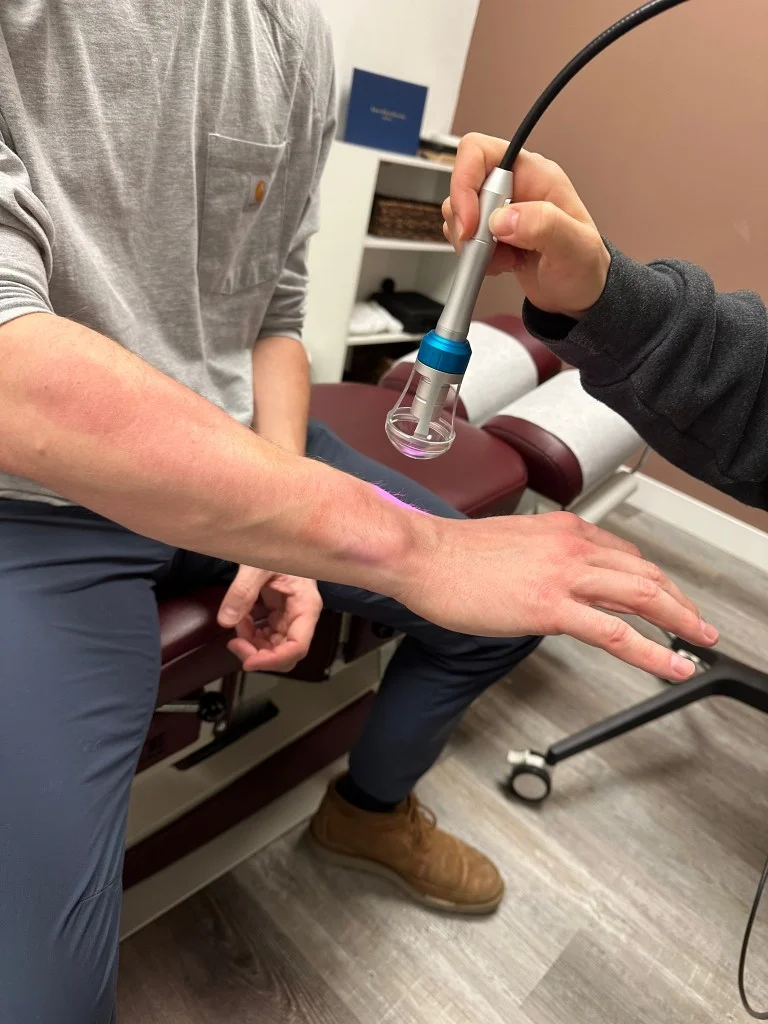
- Targeted Energy: The laser device delivers pulses of light that penetrate deep into the dermis.
- Thermal Stimulation: This energy creates tiny columns of thermal damage, which the body identifies as an injury that needs repair.
- Collagen Induction: In response, the body increases production of new collagen and elastin fibers in the treated area.
- Resurfacing: As the skin heals, the surface layers are replaced with new, smoother, and more uniformly pigmented skin.
This approach is highly effective because it leaves the surrounding healthy tissue intact, which significantly shortens the recovery time compared to more aggressive resurfacing methods.
Patient Comfort and the Reality of Downtime
One of the most common concerns for patients is the sensation during treatment and the reality of the recovery phase. It is essential to be honest about the process. During a laser session, you might feel a sensation similar to the snap of a rubber band against the skin. While most clinics offer cooling systems or topical numbing agents to ensure comfort, the feeling is usually described as manageable rather than painful.
Regarding downtime, patients should plan for a period of social recovery. Immediately after the procedure, the treated area will likely appear red and may feel like a mild sunburn. This sensation usually fades within 24 to 48 hours. Depending on the intensity of the treatment, some minor peeling or crusting may occur as the old skin is shed. Following post-care instructions—such as avoiding sun exposure and using gentle, hydrating cleansers—is vital for ensuring the skin heals optimally.
Factors That Influence Your Results
Not all marks respond to treatment at the same speed. Several variables will determine how many sessions you might need:
- Age of the Scar: Newer scars are generally easier to remodel than those that have been present for decades.
- Scar Depth: Deeper, pitted scars often require more sessions to reach the level of the surrounding skin surface.
- Skin Tone: Different lasers are better suited for specific skin types. A professional assessment is necessary to choose the device that provides the best results while minimizing the risk of pigmentation changes.
- Consistency: Results are cumulative. A single session provides a starting point, but the most dramatic improvements are typically seen after a planned series of treatments.
Safety and Pre-Treatment Considerations
Before beginning a journey toward smoother skin, your safety must be the priority. A formal consultation is the most important step. During this time, the practitioner will review your medical history, assess the vascularity and depth of the scar, and discuss your goals.
There are certain contraindications to be aware of:
- Active Infections: If there is an active breakout or infection in the area, treatment must be delayed.
- Recent Sun Exposure: Tanned skin can react unpredictably to laser energy; therefore, you should avoid heavy sun exposure for several weeks before your appointment.
- Medical Conditions: Certain systemic health conditions can affect how your skin heals, so full transparency with your provider is required.
Frequently Asked Questions
Is scar removal permanent?
Yes, the remodeling of collagen is a permanent change. However, it is important to remember that new injuries to the skin can cause new scarring.
How many sessions are typically required?
This varies widely based on the severity of the scar. While some see improvement in two sessions, more complex cases may require five or more for optimal smoothing.
Will the scar disappear completely?
The goal of medical treatment is to minimize visibility and blend the texture into the surrounding skin. While most scars become significantly less noticeable, total erasure is not always guaranteed or realistic depending on the tissue depth.
Does it hurt?
Most patients tolerate the procedure well with the help of topical numbing. The sensation is often described as quick, sharp pulses of heat.
What should I avoid after the procedure?
Sun exposure is the most important thing to avoid, as treated skin is temporarily more sensitive to UV rays, which could lead to unwanted pigmentation changes.
Choosing Your Path to Clearer Skin
Embarking on a process to treat your skin is a decision that can boost your confidence and comfort in your own skin. By choosing a path of professional, science-backed care, you are moving away from trial-and-error home remedies and toward clinical results. If you are ready to explore the possibilities of scar removal in Dubai, it is important to select a facility that prioritizes sterile environments, uses up-to-date technology, and puts your safety at the center of the treatment plan. For those seeking professional guidance on their unique skin concerns, the team at Tajmeels Clinic offers personalized consultations to help you design a roadmap toward smoother, clearer, and more refreshed skin.