Sign up with Google
 Sign in with Zoho

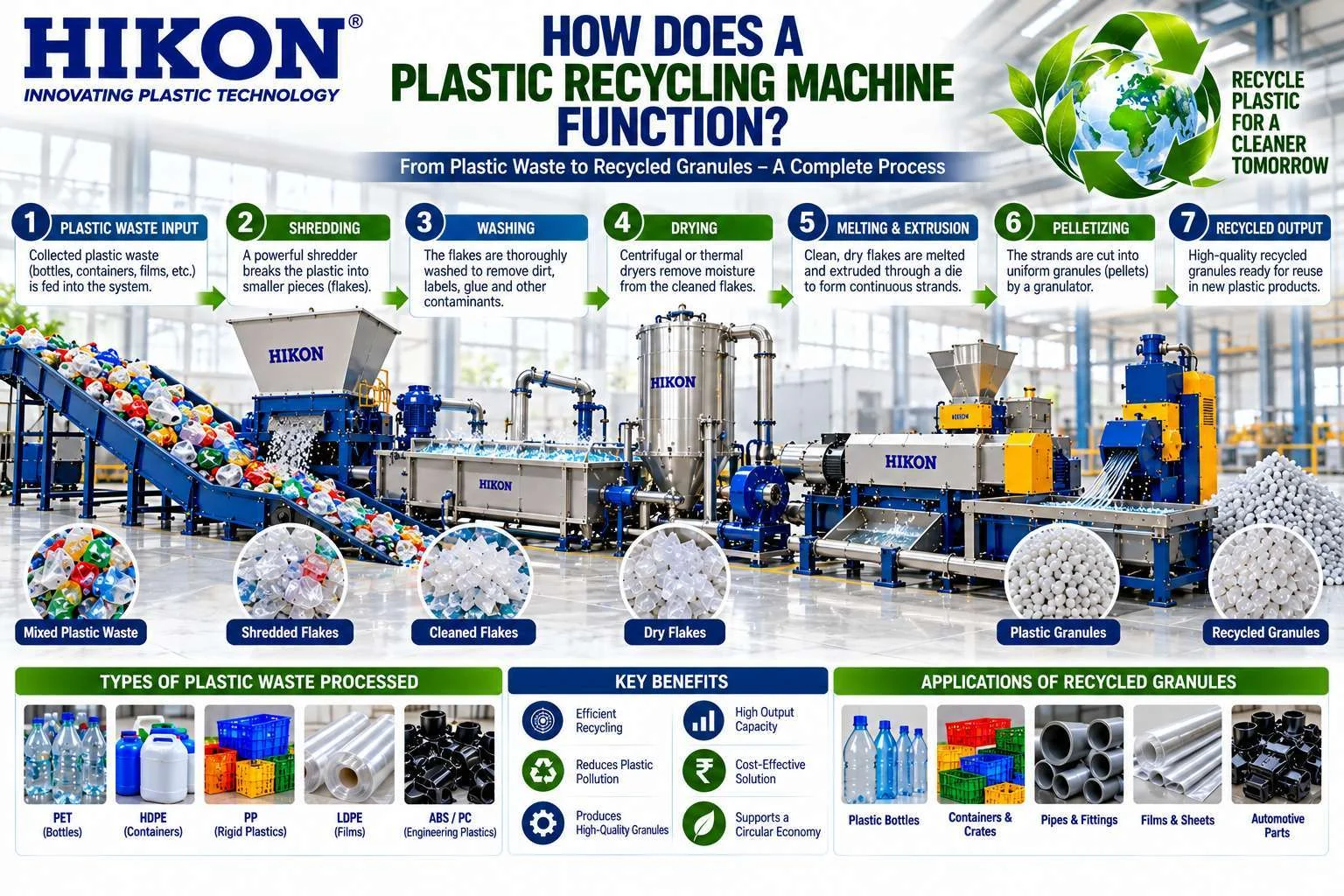
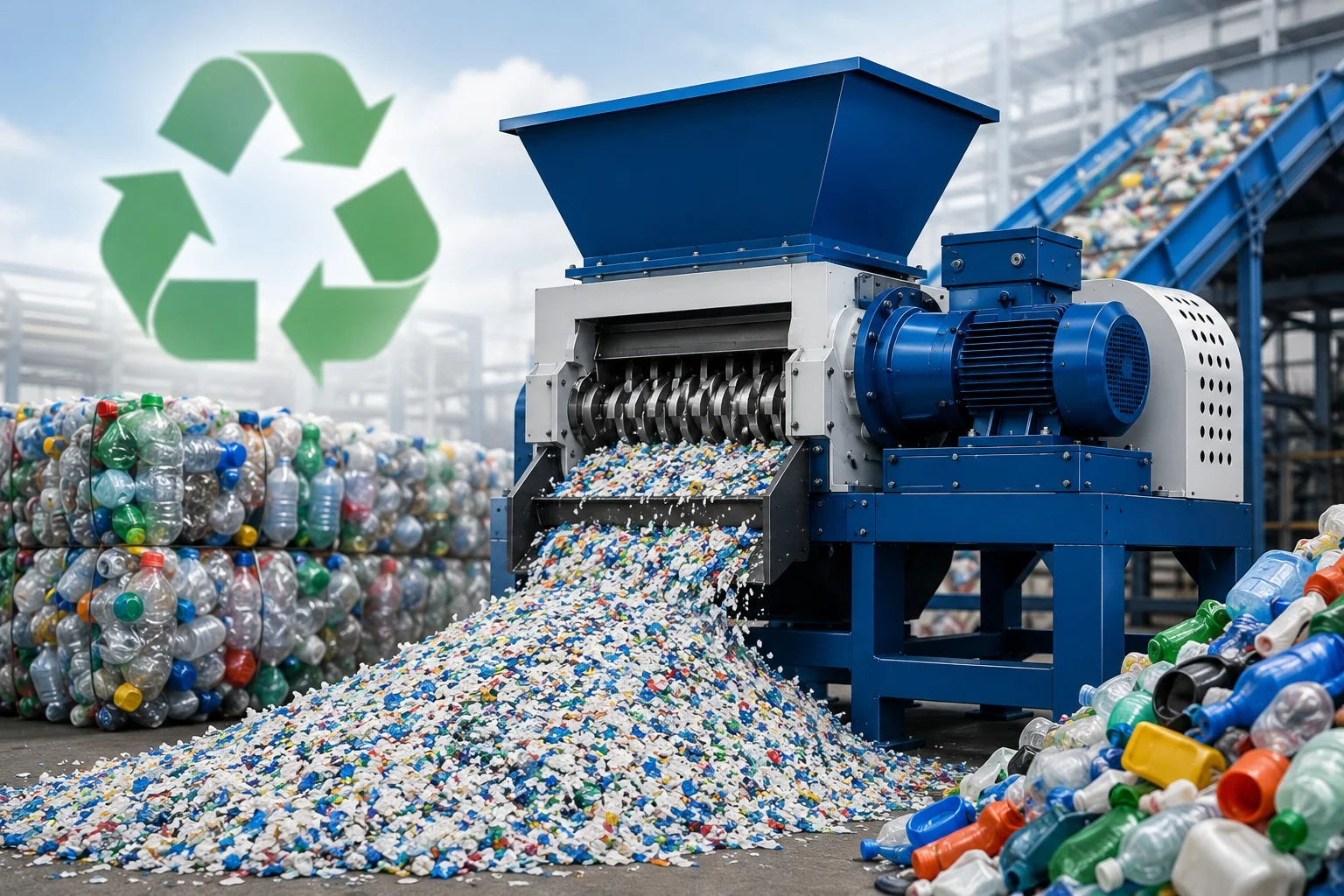
How a plastic recycling machine works relies on the unit’s setup and the kind of plastic it is processing. Most recycling systems, however, include a few simple procedures that prepare waste plastic for reuse. The Plastic recycling machine India procedure often starts with the collecting and sorting of plastic garbage. Materials are sorted and divided according to kind of plastic, color, size, contamination and suitability for recycling. After sorting, bigger plastic pieces may need to be broken down. The next step is a shredding or crushing stage, which reduces the material to tiny bits to facilitate handling in further processing. Smaller particles also make the washing and melting process more efficient.
Another critical step is washing, when incoming plastic includes dirt, dust, food residue, grease, paper or other pollutants. Plastic washing equipment utilizes water and mechanical action to clean the plastic. Depending on the feedstock, the procedure may include pre-washing, friction washing, hot washing, rinsing and drying. Proper cleaning is especially critical if recycled material is required to be of uniform quality. Moisture must be removed after washing and prior to further processing. Drying systems decrease water content of plastic flakes so that they may be treated more efficiently.
The cleaned and cured plastic may then be sent for an extrusion system. The plastic is heated to an appropriate molten condition during extrusion. The molten material is filtered to eliminate any leftover impurities and then made into continuous strands. These strands may then be chilled and chopped into little pellets or granules. The recycled plastic pellets produced may be simpler to store, transport and utilize in industrial operations. Some recycling systems may further include extra filtration, metal separation, color sorting, densification or quality-control stages. These parts may be useful for the uniformity of the recycled output. Therefore, a whole recycling line should be developed according to the properties of the waste material and not the same configuration for every application.
Plastic films and flexible packaging could be treated differently than rigid plastic garbage. Films are lightweight, and if equipment is not made for them, they might be difficult to handle. Therefore effective processing may need special systems for feeding, cutting, washing, drying and densification. Another concern is mixed plastic garbage. Separation becomes difficult because their varying melting qualities impair the quality of the recovered product when multiple polymers are blended.
Summary
Effective sorting and control of feedstock is thus critical to produce consistent recycled material. Plastic recycling machine India operators should be familiar with the make-up of their waste stream and the quality specifications of their target market before purchasing equipment.